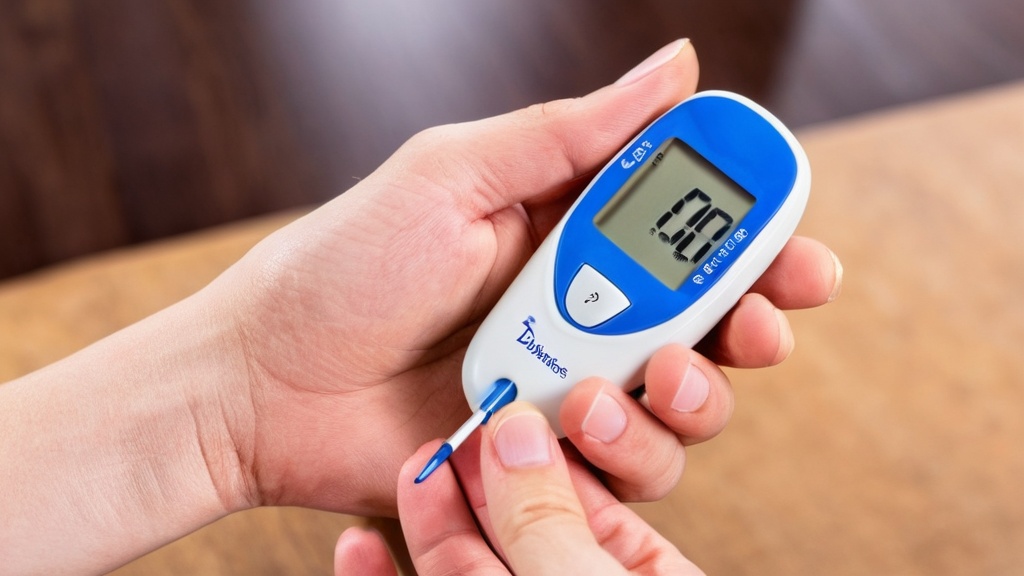
Managing Diabetes and Blood Pressure: Key Strategies

Imagine a tiny traffic jam in your bloodstream. That’s kind of what high blood pressure and diabetes can feel like. They often go hand-in-hand, creating a double challenge for your body. But don’t worry, managing them is achievable. You have the power to steer your health in a better direction.
Diabetes means your body struggles with blood sugar. Sugar is fuel from food. Your body uses insulin to move sugar from your blood into cells. This sugar gives you energy. In diabetes, this process falters. Often, sugar stays too high in your blood.
High blood pressure means your blood pushes too hard. It’s the force of blood against your artery walls. Think of it like a garden hose. Too much pressure can damage the hose. Similarly, high blood pressure damages your blood vessels.
These conditions are often linked. High sugar levels can damage blood vessels. This makes it easier for blood pressure to rise. Conversely, high blood pressure strains your heart. It can also make diabetes harder to control. Together, they increase risks significantly.
Lifestyle is Your First Line of Defense
Making healthy lifestyle changes offers immense benefits. These changes are powerful tools. They can help prevent or manage both conditions. Small, consistent steps matter a lot.
Nourishing Your Body: The Power of Diet
What you eat directly impacts blood sugar and blood pressure. Focus on whole, unprocessed foods. These provide essential nutrients. They also help maintain stable blood sugar.
Smart Food Choices for Blood Sugar
Opt for vegetables and fruits. They are rich in fiber and vitamins. Fiber slows sugar absorption. This prevents sharp spikes. Lean proteins are also good choices. Think fish, chicken, and beans.
Whole grains are better than refined ones. Brown rice, quinoa, and whole wheat bread are excellent. They release sugar slowly. This keeps your energy steady. Limit sugary drinks and processed snacks. They cause rapid sugar increases.
Sodium: A Key Player in Blood Pressure
Sodium is salt. Too much salt makes your body hold water. This extra fluid increases blood volume. More volume means higher pressure. Many processed foods are loaded with sodium.
Read food labels carefully. Look for “low sodium” options. Reduce added salt when cooking. Use herbs and spices for flavor instead. Fresh ingredients are naturally lower in sodium.
Healthy Fats: Your Heart Will Thank You
Not all fats are bad. Unsaturated fats are beneficial. They fight inflammation and improve heart health. Avocados, nuts, seeds, and olive oil are good sources. These can help manage cholesterol too.
Limit saturated and trans fats. These are often found in fried foods and baked goods. They can negatively affect heart health. Choosing healthy fats supports overall well-being.
Moving Your Body: Regular Physical Activity
Exercise is vital for both conditions. It helps your body use sugar effectively. It also strengthens your heart muscle. This can lower blood pressure over time. Aim for at least 150 minutes of moderate activity weekly.
Aerobic Exercise: Getting Your Heart Pumping
Activities like brisk walking, jogging, or swimming are great. They elevate your heart rate and boost circulation. This helps your body manage blood sugar. It also improves cardiovascular health.
Start slowly if you are new to exercise. Gradually increase duration and intensity. Find activities you enjoy. This makes it easier to stick with them.
Strength Training: Building a Stronger You
Lifting weights or using resistance bands builds muscle. Muscle uses more sugar. This helps control blood sugar levels. It also improves metabolism and can reduce blood pressure.
Include strength training at least two days per week. Focus on major muscle groups. Proper form is important for safety. Consider consulting a fitness professional.
Managing Stress: A Calm Mind for a Healthy Body
Stress can raise blood sugar and blood pressure. Chronic stress takes a toll on your body. Finding healthy ways to cope is crucial.
Relaxation Techniques: Finding Your Calm
Deep breathing exercises can be very effective. Meditation and mindfulness also help. These techniques calm your nervous system. They encourage a state of relaxation.
Yoga or tai chi combine movement with breath. They offer both physical and mental benefits. Experiment to find what works best for you. Even a few minutes daily can make a difference.
Prioritizing Sleep: Restful Nights for Better Days
Good sleep is essential for health. Insufficient sleep affects blood sugar. It can also increase blood pressure. Aim for 7-9 hours of quality sleep each night.
Establish a regular sleep schedule. Create a relaxing bedtime routine. Make your bedroom dark and quiet. Avoid screens before bed.
Understanding Your Numbers: Monitoring is Key
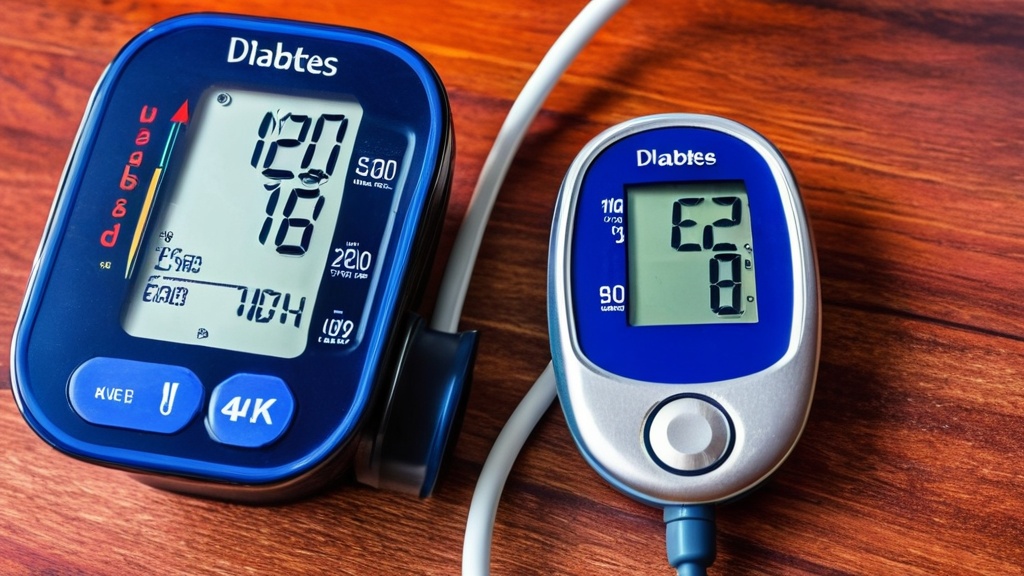
Knowing your blood sugar and blood pressure numbers empowers you. Regular monitoring helps you see how your lifestyle changes are working. It also alerts you to potential problems early.
Blood Sugar Monitoring: Staying in Tune
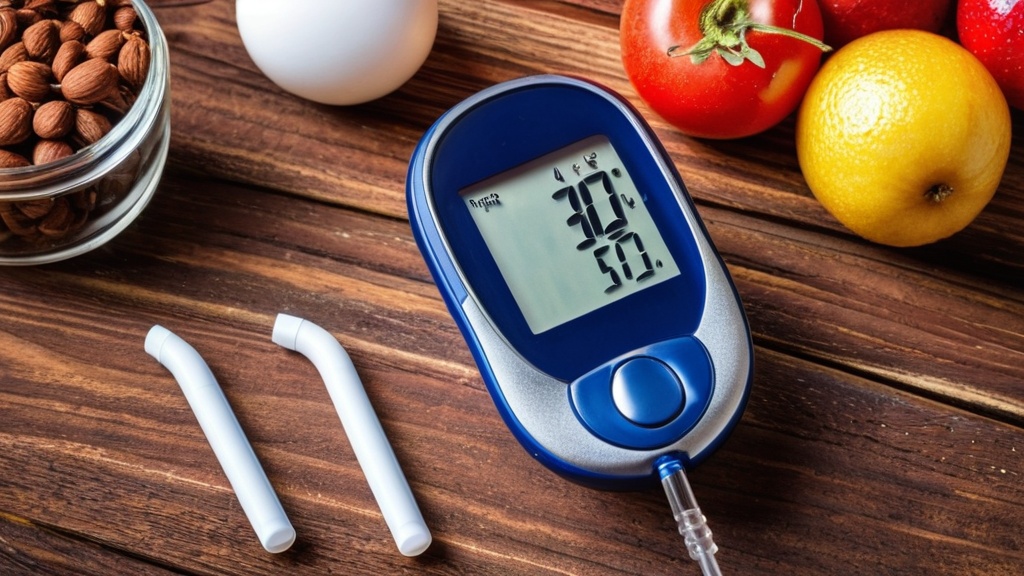
Diabetes management involves checking blood sugar. This is often done with a glucose meter. Your doctor will advise on frequency. It helps understand how food and activity affect your levels.
This data guides treatment adjustments. It helps you learn what foods raise your sugar. It also shows how exercise lowers it. Consistent monitoring helps maintain a steady range.
Blood Pressure Monitoring: Keeping Track
Blood pressure is also monitored regularly. This can be done at home or at the doctor’s office. Your doctor will set target blood pressure goals. Home monitoring provides valuable insights.
This data helps assess treatment effectiveness. It shows how medications and lifestyle changes impact your pressure. A consistent log helps your doctor make informed decisions.
Medical Interventions: When Lifestyle Isn’t Enough
Sometimes, lifestyle changes alone are not enough. Medical interventions become necessary. These can include medications and other treatments. Always discuss these options with your doctor.
Medications for Diabetes: Helping Your Body Out
Several types of medications exist for diabetes. Some help your body make more insulin. Others make your body more sensitive to insulin. Some slow down sugar absorption.
Your doctor chooses the best medication for you. They consider your specific type of diabetes. They also consider your overall health. Take medications exactly as prescribed.
Medications for High Blood Pressure: Managing the Force
Medications are often prescribed for high blood pressure. Different classes of drugs work in different ways. Some help your body get rid of salt and water. Others relax your blood vessels.
These medications are very effective. They significantly reduce the risk of complications. Do not stop taking them without consulting your doctor. They are often life-saving.
Regular Check-ups: Your Doctor is Your Partner
Routine medical check-ups are vital. They allow your doctor to assess your health. They can track your blood sugar and pressure. They also screen for complications.
These appointments are opportunities for questions. Discuss any concerns you have. Your doctor can adjust your treatment plan as needed. Open communication is crucial for success.
Preventing Complications: Long-Term Health Matters
| Category | Diabetes | Blood Pressure |
|---|---|---|
| Normal Range | 70-130 mg/dL before meals | Less than 120/80 mmHg |
| Pre-diabetes Range | 140-199 mg/dL after meals | 120-139/80-89 mmHg |
| Diabetes Range | 200 mg/dL or higher after meals | 140/90 mmHg or higher |
| Management | Diet, exercise, medication | Diet, exercise, medication |
Uncontrolled diabetes and high blood pressure can lead to serious health problems. These can affect your eyes, kidneys, heart, and nerves. Proactive management significantly reduces these risks.
Protecting Your Vision: Eye Health is Crucial
High blood sugar can damage tiny blood vessels in your eyes. This can lead to vision loss. Regular eye exams are essential. Early detection is key to treatment.
Your eye doctor can spot early signs. They can recommend treatments to protect your sight. Managing your diabetes well is the best defense for your eyes.
Guarding Your Kidneys: The Body’s Filters
Diabetes and high blood pressure are major causes of kidney disease. They damage the small blood vessels in your kidneys. This impairs their ability to filter waste.
Regular kidney function tests are important. Keeping blood sugar and blood pressure in target ranges protects your kidneys. This helps maintain their vital filtering function.
Fortifying Your Heart: Cardiovascular Well-being
The heart faces increased workload with both conditions. This raises the risk of heart attack and stroke. Healthy heart habits are paramount.
Maintaining a healthy weight is supportive. Eating a balanced diet helps. Regular exercise strengthens your heart. Medications further reduce risks.
Nurturing Your Nerves: Nerve Health Matters
High blood sugar can damage nerves. This can cause pain or numbness, especially in hands and feet. This is called neuropathy. Good blood sugar control can prevent or slow this damage.
Be vigilant about foot care. Check your feet daily for cuts or sores. Report any changes to your doctor. This helps prevent infections.
Hope and Empowerment: Taking Control of Your Health
Managing diabetes and blood pressure is a journey. It requires commitment and consistency. But the rewards are immense. You can live a full, healthy life. Empower yourself with knowledge and action.
Making these lifestyle changes is an investment. It’s an investment in your future. Celebrate small victories along the way. You are capable of incredible things. Your health is in your hands.
FAQs
What is the relationship between diabetes and blood pressure?
Diabetes and high blood pressure often occur together. Having diabetes increases the risk of developing high blood pressure, and having high blood pressure increases the risk of developing diabetes.
How does diabetes affect blood pressure?
Diabetes can damage the blood vessels and lead to atherosclerosis, which can increase blood pressure. Additionally, high blood sugar levels can cause the kidneys to retain more sodium, leading to higher blood pressure.
What are the risks of having both diabetes and high blood pressure?
Having both conditions increases the risk of heart disease, stroke, and kidney disease. It can also lead to complications such as diabetic retinopathy and neuropathy.
How can diabetes and high blood pressure be managed together?
Managing diabetes through medication, diet, and exercise can help control blood sugar levels, which in turn can help manage blood pressure. Additionally, medications to lower blood pressure may be prescribed.
What lifestyle changes can help prevent or manage diabetes and high blood pressure?
Maintaining a healthy weight, eating a balanced diet low in sodium and sugar, exercising regularly, and avoiding smoking and excessive alcohol consumption can all help prevent or manage both diabetes and high blood pressure.