The Obesity-Diabetes Connection: What You Need to Know


Your body is amazing, a complex machine working tirelessly for you. But sometimes, these systems face challenges. Two common health issues, obesity and type 2 diabetes, often appear together. Understanding their link helps you take charge of your health journey. Let’s explore how they connect and what you can do.
Obesity means having too much body fat. This fat can harm your health. Doctors use Body Mass Index (BMI) to measure it. BMI considers your weight and height. A BMI of 30 or higher suggests obesity.
What Causes Obesity?
Many factors contribute to obesity. Eating too many calories is a major cause. Unhealthy food choices play a big role. Lack of physical activity also adds to the problem.
- Dietary Habits: Consuming sugary drinks and ultra-processed foods adds calories quickly. These foods often lack nutrients. They make you feel less full.
- Sedentary Lifestyle: Sitting too much burns fewer calories. Less movement means more stored energy as fat. Think about desk jobs or long hours watching TV.
- Genetics: Your genes can influence how your body stores fat. Some people are more prone to weight gain. However, genes are not the only factor.
- Environmental Factors: Our towns and cities affect our health. Access to healthy food may be limited. Safe places for exercise might be scarce.
- Stress and Sleep: Chronic stress can lead to weight gain. Poor sleep can also disrupt hunger hormones. These imbalances make healthy choices harder.
Health Risks of Obesity
Obesity increases your risk for many diseases. Heart disease is a serious concern. Stroke risk also goes up. Certain cancers are more common in people with obesity.
- Cardiovascular Disease: Excess fat can strain your heart. It can raise blood pressure and cholesterol. This combination harms blood vessels.
- Joint Problems: Extra weight puts pressure on your joints. This can lead to pain and arthritis. Walking and daily tasks become harder.
- Sleep Apnea: Obesity can narrow your airway. This causes pauses in breathing during sleep. Sleep apnea disrupts rest and affects heart health.
- Fatty Liver Disease: Fat can build up in your liver. This can lead to inflammation and liver damage. It can progress to serious liver conditions.
Type 2 Diabetes: A Closer Look
Type 2 diabetes means your body struggles with blood sugar. Your body uses glucose, a sugar, for energy. Insulin, a hormone, helps glucose enter cells. In type 2 diabetes, this system breaks down.
How Does Type 2 Diabetes Develop?
Initially, your body might not use insulin well. This is called insulin resistance. Your pancreas works harder to make more insulin. Over time, it can’t keep up.
- Insulin Resistance: Your cells don’t respond to insulin effectively. Imagine a key not fitting its lock perfectly. Glucose then stays in your blood.
- Pancreas Fatigue: The pancreas tries to produce more insulin. Eventually, it gets exhausted. Its ability to make insulin decreases.
- High Blood Sugar: Glucose builds up in your bloodstream. This high sugar level causes damage. It affects many organs over time.
Warning Signs and Symptoms
Type 2 diabetes often develops slowly. You might not notice symptoms early on. Common signs include increased thirst and frequent urination.
- Increased Thirst: High blood sugar draws water from your tissues. This makes you feel very thirsty. You drink more to compensate.
- Frequent Urination: Your kidneys work to remove excess sugar. They flush it out through urine. This makes you need to go often.
- Blurry Vision: High sugar levels can affect the fluid in your eyes. This changes the shape of your lens. Vision can become blurry.
- Fatigue: Your cells aren’t getting enough glucose for energy. This leaves you feeling tired and weak. Even simple tasks feel draining.
- Slow-Healing Sores: High blood sugar impairs healing. Cuts and sores take longer to mend. This increases infection risk.
Long-Term Complications
Untreated type 2 diabetes can lead to serious problems. It can damage nerves and kidneys. Heart disease risk is also very high.
- Nerve Damage (Neuropathy): High sugar levels can harm nerves. This can cause tingling or numbness. Feet and hands are often affected.
- Kidney Damage (Nephropathy): Your kidneys filter waste from blood. Diabetes can damage these filters. This can lead to kidney failure.
- Eye Damage (Retinopathy): High sugar can harm blood vessels in your eyes. This can lead to vision loss or blindness. Regular eye exams are crucial.
- Foot Problems: Nerve damage and poor circulation affect feet. Small cuts can become serious infections. Amputation might be necessary in severe cases.
The Strong Link: Obesity and Type 2 Diabetes

Obesity is a major risk factor for type 2 diabetes. Research shows a clear connection. Excess body fat, especially around the belly, is particularly risky. Scientists are still studying all the details.
What Connects Them?
Fat cells, particularly visceral fat (around organs), are not just storage. They are active endocrine organs. They release substances. These substances can promote inflammation. They also disrupt insulin signaling.
- Inflammation: Adipose tissue (fat) can release inflammatory chemicals. These chemicals interfere with insulin’s action. This worsens insulin resistance.
- Hormonal Changes: Fat cells produce hormones like adipokines. Some adipokines contribute to insulin resistance. They tell your body to ignore insulin.
- Lipid Overload: Too much fat can build up in other tissues. This includes the liver and muscles. This lipid accumulation further impairs insulin sensitivity.
- Insulin Resistance Cycle: Obesity makes cells resist insulin. Your pancreas tries harder. Over time, it fails. This leads to type 2 diabetes.
- Glucose Toxicity: High blood sugar itself can be toxic. It further impairs insulin secretion. It also worsens insulin resistance.
The Role of Visceral Fat
Fat around your waist is called visceral fat. It is more dangerous than fat under the skin. Visceral fat is more metabolically active. It releases more harmful substances. Think of an apple shape versus a pear shape. The “apple” shape carries more visceral fat.
- Increased Inflammation: Visceral fat is a major source of inflammatory markers. These markers circulate throughout your body. They contribute to systemic insulin resistance.
- Direct Organ Impact: Visceral fat surrounds organs like the liver. It directly affects their function. For example, it contributes to fatty liver disease.
- Portal Vein Drainage: Visceral fat drains into the portal vein. This vessel goes directly to the liver. Harmful substances go straight to the liver.
- Hormone Imbalance: It secretes hormones that promote fat storage. It also disrupts hormones that regulate appetite. This creates a difficult cycle.
Actionable Tips: Taking Control
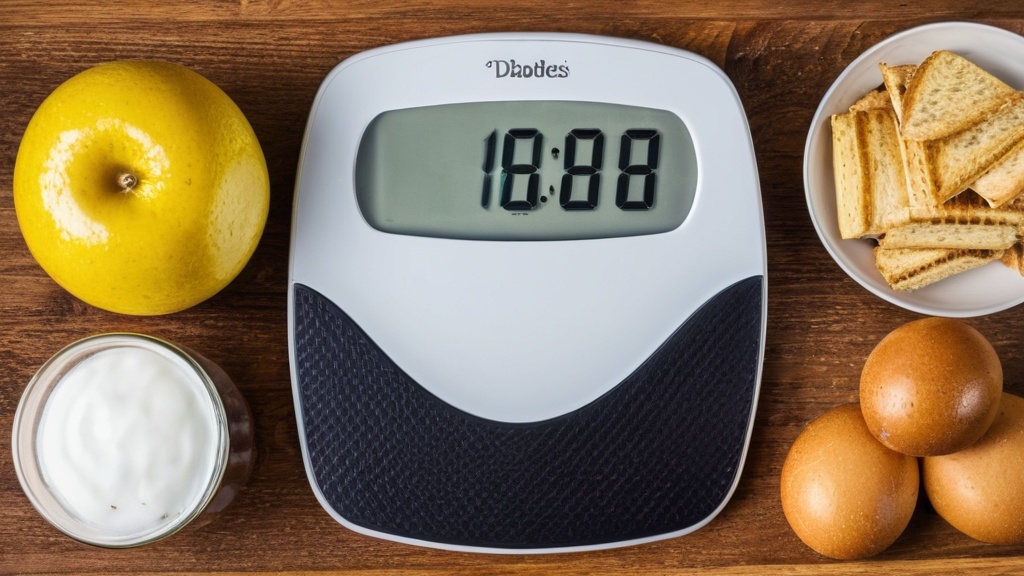
You can take steps to reduce your risk. Lifestyle changes are powerful tools. Even small changes can make a big difference. Focus on consistent, healthy habits.
1. Embrace Whole Foods
Your diet is a cornerstone of health. Prioritize nutrient-rich, unprocessed foods. These choices fuel your body better. They help manage weight and blood sugar.
- Eat More Vegetables and Fruits: They are packed with fiber. Fiber helps you feel full. It also slows sugar absorption. Aim for a colorful variety.
- Choose Lean Proteins: Chicken, fish, beans, and lentils are great options. Protein helps build muscle. It also keeps you feeling satisfied.
- Opt for Whole Grains: Brown rice, oats, and whole-wheat bread are better. They contain more fiber than refined grains. This means slower glucose release.
- Avoid Sugary Drinks: Sodas and sweet teas add empty calories. They cause quick blood sugar spikes. Drink water instead, it’s the best option.
- Limit Processed Foods: These foods are often high in sugar, salt, and unhealthy fats. They offer little nutritional value. Cook more meals at home.
Example: Instead of reaching for a candy bar when hungry, grab an apple and a handful of almonds. The apple provides fiber and natural sugars, while almonds offer healthy fats and protein, keeping you full longer and preventing a sugar crash.
2. Get Moving Regularly
Physical activity is vital. It burns calories and builds muscle. Muscle uses glucose more efficiently. This helps improve insulin sensitivity.
- Aim for Moderate Activity: Try for 150 minutes per week. This could be brisk walking. Or cycling, swimming, or dancing. Break it into shorter sessions.
- Incorporate Strength Training: Lift weights or use resistance bands. Stronger muscles use more glucose. This also boosts your metabolism.
- Reduce Sedentary Time: Stand up and move every hour. Take short walks during breaks. Even light movement adds up.
- Find Activities You Enjoy: If it’s fun, you’re more likely to stick with it. Join a class, play a sport, or hike.
- Start Small and Build Up: Don’t feel you need to run a marathon. A 10-minute walk is a great start. Gradually increase duration and intensity.
Example: If you work at a desk, set a timer to stand up and walk around the office every hour. Even a 5-minute stroll can interrupt long periods of sitting and contribute to your daily activity goal.
3. Manage Stress and Sleep Well
These factors profoundly impact your health. Chronic stress and poor sleep can disrupt hormones. This affects appetite and insulin sensitivity.
- Practice Stress Reduction: Try meditation or deep breathing. Yoga can also be helpful. Find what calms your mind.
- Prioritize Sleep: Aim for 7-9 hours per night. Create a regular sleep schedule. Make your bedroom dark and cool.
- Limit Screen Time Before Bed: Blue light from devices can disrupt sleep. Power down electronics an hour before sleep.
- Avoid Large Meals Before Sleep: Eating too close to bedtime can disrupt digestion. This can make falling asleep harder.
- Seek Support Systems: Talk to friends, family, or a therapist. Sharing your worries can reduce stress.
Example: If you struggle to unwind, try a short guided meditation app for 10 minutes before bed. This can help quiet your mind and prepare your body for restful sleep.
4. Work with Your Healthcare Team
Regular check-ups are important. Your doctor can assess your risk. They can offer personalized advice and guidance.
- Regular Screenings: Discuss blood sugar and cholesterol checks. These help monitor your health. Early detection is key.
- Understand Your Numbers: Learn what your BMI, blood sugar, and blood pressure mean. Ask questions if you don’t understand.
- Discuss Medications: If needed, your doctor might suggest medication. These can help manage blood sugar or weight.
- Consider a Registered Dietitian: They can provide customized meal plans. They offer expert advice on healthy eating habits.
- Explore Support Groups: Connecting with others facing similar challenges can be empowering. Sharing experiences can provide motivation.
The Benefits of Prevention and Management
| Study | Findings |
|---|---|
| 1. National Health and Nutrition Examination Survey (NHANES) | Obesity increases the risk of developing type 2 diabetes. |
| 2. American Diabetes Association | Obesity is a major risk factor for the development of type 2 diabetes. |
| 3. World Health Organization (WHO) | Obesity is strongly associated with the development of insulin resistance and type 2 diabetes. |
Taking action has immense benefits. Losing even a small amount of weight helps. It can significantly reduce your risk of type 2 diabetes. If you already have diabetes, it helps manage the condition.
Improving Overall Well-being
Beyond specific diseases, a healthy lifestyle boosts your energy. It improves your mood and overall quality of life. You’ll feel better, both physically and mentally.
- Increased Energy Levels: Stable blood sugar means more consistent energy. You’ll feel less sluggish throughout the day.
- Better Mood: Healthy habits can reduce symptoms of depression. Physical activity releases feel-good hormones.
- Enhanced Sleep Quality: Regular exercise and reduced stress lead to deeper, more restorative sleep.
- Stronger Immune System: A nutrient-rich diet supports your body’s defenses. You may get sick less often.
- Greater Longevity: Living a healthy lifestyle helps add years to your life. It also improves your quality of life in those years.
Reversing Prediabetes
If you have prediabetes, you can often reverse it. This means your blood sugar is high but not yet diabetes. Lifestyle changes are incredibly effective.
- Weight Loss: Losing 5-7% of your body weight is often enough. For example, 10-14 pounds for a 200-pound person.
- Increased Physical Activity: Regular exercise helps your body use insulin better. This lowers blood sugar.
- Dietary Changes: Eating whole, unprocessed foods makes a big difference. It helps stabilize blood sugar.
The connection between obesity and type 2 diabetes is clear. But so is the power of personal action. By making informed choices, you can protect your health and live a vibrant life. Your body deserves your care and attention. Start today, one small step at a time.
FAQs
What is the link between obesity and diabetes?
Obesity is a major risk factor for the development of type 2 diabetes. Excess body fat, particularly around the abdomen, can lead to insulin resistance, where the body’s cells do not respond effectively to insulin. This can eventually lead to high blood sugar levels and the development of type 2 diabetes.
How does obesity contribute to the development of diabetes?
Obesity can lead to chronic low-grade inflammation and an increase in fatty acids, which can interfere with the body’s ability to use insulin effectively. This can lead to insulin resistance and, eventually, the development of type 2 diabetes.
What are the other health risks associated with obesity?
In addition to diabetes, obesity is also linked to an increased risk of heart disease, stroke, high blood pressure, certain types of cancer, and other chronic health conditions. It can also contribute to joint problems and sleep apnea.
Can losing weight reduce the risk of developing diabetes?
Yes, losing weight, even a small amount, can significantly reduce the risk of developing type 2 diabetes. Making healthy lifestyle changes, such as eating a balanced diet and increasing physical activity, can help to prevent or delay the onset of diabetes in individuals who are at risk.
What are some strategies for preventing obesity-related diabetes?
Preventing obesity-related diabetes involves maintaining a healthy weight through a balanced diet and regular physical activity. This can include eating plenty of fruits, vegetables, and whole grains, as well as engaging in at least 150 minutes of moderate-intensity exercise per week. It’s also important to limit the consumption of sugary drinks and processed foods.