Understanding Diabetes Risk Factors

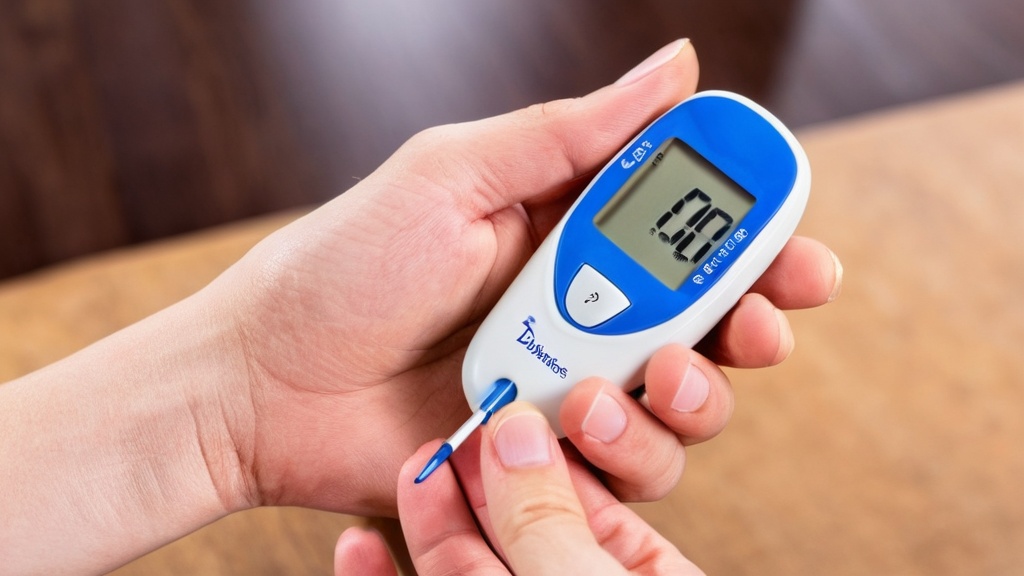
Imagine a silent marathon in your body. Every day, your body works hard to manage blood sugar. Sometimes, this system needs a little help. Understanding what loads the odds can empower you. Let’s explore the factors influencing your diabetes risk.
Diabetes can run in families. This means your genes play a role. Certain gene variations increase your susceptibility. It’s like inheriting a predisposition. Your parents or grandparents having diabetes raises your chances.
Type 1 Diabetes Genetics
Type 1 diabetes has a strong genetic link. Autoimmune responses target insulin-producing cells. Family history is a significant risk factor here. Early research points to specific gene markers.
Type 2 Diabetes Genetics
Genetics also influence Type 2 diabetes risk. You might inherit a tendency for insulin resistance. This makes your cells less responsive to insulin. A family history of Type 2 diabetes is very common.
Lifestyle Choices: Your Daily Habits Matter
What you eat and how you move greatly impacts your health. These daily habits are powerful. They can either protect you or increase risk. Small changes make a big difference.
Diet and Nutrition
Your food choices are crucial for blood sugar control. Sugary drinks and processed foods can harm you. A balanced diet helps maintain healthy levels. Focus on whole, unprocessed foods.
The Impact of Sugary Drinks
Sweetened beverages are particularly problematic. They deliver a spike of sugar to your system. Your body struggles to manage this sudden surge. This can lead to weight gain and insulin resistance. Think of soda or sweetened teas.
The Role of Processed Foods
Highly processed foods often contain unhealthy fats and refined carbohydrates. These contribute to inflammation. They can also disrupt your appetite signals. Limiting these foods is beneficial. Examples include packaged snacks and fast food.
The Power of Whole Foods
Embrace fruits, vegetables, and whole grains. These offer fiber and essential nutrients. Fiber helps slow sugar absorption. It keeps you feeling full longer. Think of berries, broccoli, and oats.
Physical Activity Levels
Movement is medicine for your body. Regular exercise improves insulin sensitivity. It helps your cells use glucose effectively. Aim for consistent physical activity. Even short bursts of activity help.
Sedentary Behavior
Spending too much time sitting is detrimental. It decreases your body’s ability to process sugar. This inactivity can lead to weight gain. It also impacts your cardiovascular health.
Benefits of Aerobic Exercise
Activities like brisk walking, swimming, or cycling are great. They strengthen your heart and lungs. Aerobic exercise directly improves insulin utilization. Aim for at least 150 minutes weekly.
Strength Training’s Contribution
Building muscle mass is also important. Muscle tissue uses a lot of glucose. Strength training helps your body burn more calories. It also improves your metabolism.
Body Weight and Composition: Carrying the Load

Your weight, especially around your middle, is a risk factor. Excess body fat, particularly visceral fat, affects insulin. This type of fat surrounds your organs. It releases harmful substances.
The Visceral Fat Connection
Visceral fat is more metabolically active. It promotes inflammation and insulin resistance. This is a strong predictor of Type 2 diabetes. It’s often called “belly fat.”
Body Mass Index (BMI)
BMI is a common measure of body fat proportion. A higher BMI often indicates increased risk. However, it doesn’t distinguish fat from muscle. Consider it a starting point.
Waist Circumference
Measuring your waist gives a clearer picture. A larger waistline signals more visceral fat. For women, over 35 inches is a concern. For men, over 40 inches is a concern.
Age: Time and Biological Changes

As we get older, our bodies change. The risk of developing Type 2 diabetes increases. This is partly due to natural declines in insulin function. Aging often brings other health risks too.
Midlife and Beyond
The risk for Type 2 diabetes typically rises after age 45. This aligns with gradual metabolic shifts. Regular check-ups become even more important.
Cellular Aging Processes
Cellular resilience can decrease with age. Your body’s ability to repair and regulate becomes less efficient. This can impact insulin production and action.
Medical Conditions: Underlying Health Issues
| Diabetes Risk Factors | Metrics |
|---|---|
| Obesity | Body Mass Index (BMI) over 30 |
| Physical inactivity | Less than 150 minutes of moderate exercise per week |
| Poor diet | High intake of processed foods and sugary drinks |
| Family history | Having a close relative with diabetes |
| High blood pressure | Blood pressure reading of 140/90 mmHg or higher |
| High cholesterol | Total cholesterol level of 200 mg/dL or higher |
| Age | Being over 45 years old |
Certain medical conditions elevate your diabetes risk. These conditions often interact with blood sugar regulation. Managing them is key to prevention.
Prediabetes: A Warning Sign
Prediabetes means your blood sugar is high. It’s not yet diabetes, but it’s close. This is a critical window for intervention. Many people with prediabetes develop Type 2 diabetes.
Recognizing Prediabetes Symptoms
Often, prediabetes has no clear symptoms. This makes regular screenings important. Your doctor can detect it with blood tests.
Reversing Prediabetes
Lifestyle changes can reverse prediabetes. This includes diet modifications and exercise. Losing even a small amount of weight helps.
High Blood Pressure (Hypertension)
High blood pressure is a significant risk factor. It often co-exists with insulin resistance. Managing blood pressure is vital for overall health. This condition strains your arteries.
The Hypertension-Diabetes Link
These conditions often occur together. They share common underlying pathways. Both are linked to inflammation and arterial damage.
Strategies for Managing Blood Pressure
Healthy eating and regular exercise help. Reducing sodium intake is also crucial. If needed, your doctor may prescribe medication.
High Cholesterol (Dyslipidemia)
Abnormal cholesterol levels are another risk. This includes high LDL (“bad”) cholesterol. It also includes low HDL (“good”) cholesterol. These imbalances affect blood vessel health. They are often seen with insulin resistance.
Cholesterol’s Role in Arteries
High LDL cholesterol can build up in arteries. This narrows them, increasing heart disease risk. Poorly controlled blood sugar can worsen this.
Lifestyle for Cholesterol Control
Dietary changes are fundamental. Increase fiber and choose healthy fats. Regular exercise also positively impacts cholesterol.
Polycystic Ovary Syndrome (PCOS)
PCOS is a hormonal disorder affecting women. It significantly increases the risk of Type 2 diabetes. Insulin resistance is a hallmark of PCOS. This makes it harder for your body to use insulin.
PCOS and Insulin Resistance
Women with PCOS often have difficulty with insulin. Their bodies produce more insulin to compensate. This can lead to higher blood sugar levels over time.
Managing PCOS for Diabetes Prevention
Weight management is very important for PCOS. Regular exercise is also highly beneficial. Dietary choices play a crucial role. Consult with your healthcare provider.
Race and Ethnicity: Disparities in Risk
Certain racial and ethnic groups face higher risks. This is a complex issue with multiple factors. It includes genetics, socioeconomic status, and access to care. These disparities are a public health concern.
African Americans
African Americans have a higher incidence of Type 2 diabetes. This is seen across different age groups. Genetic predispositions may play a part.
Hispanic/Latino Americans
Hispanic and Latino populations also show higher rates. This risk varies within the broader group. Factors include diet, culture, and socioeconomic impact.
Native Americans
Certain Native American communities experience very high rates. Historical factors and lifestyle changes contribute. Access to healthy foods can be a challenge.
Asian Americans
Some Asian American subgroups also face elevated risk. This is particularly true for certain types of body fat distribution. Different ethnicities within this group have varying risks.
Conclusion: Taking Charge of Your Health
Understanding these risk factors empowers you. You can make informed choices for your well-being. Focus on healthy habits and regular check-ups. Consult your doctor for personalized guidance. Your proactive steps can lead to a healthier future.
FAQs
What are the main risk factors for developing diabetes?
The main risk factors for developing diabetes include being overweight or obese, having a family history of diabetes, leading a sedentary lifestyle, having high blood pressure, and being over the age of 45.
How does being overweight or obese increase the risk of developing diabetes?
Being overweight or obese can lead to insulin resistance, where the body’s cells do not respond effectively to insulin. This can eventually lead to the development of type 2 diabetes.
What role does family history play in the risk of developing diabetes?
Having a family history of diabetes can increase an individual’s risk of developing the condition, as genetics can play a significant role in the development of type 1 and type 2 diabetes.
How does a sedentary lifestyle contribute to the risk of developing diabetes?
A sedentary lifestyle, characterized by lack of physical activity, can lead to weight gain and increase the risk of developing insulin resistance, ultimately increasing the risk of developing type 2 diabetes.
At what age does the risk of developing diabetes increase?
The risk of developing diabetes increases with age, particularly after the age of 45. This is due to factors such as decreased physical activity, muscle mass, and the body’s ability to use insulin effectively.