Understanding Diabetes: A Glossary of Key Terms

Imagine your body as a high-performance engine. Food fuels it. But what happens when that fuel system malfunctions? You can end up with diabetes. This condition affects millions. It changes how your body uses sugar. Let’s explore this important topic together.
Diabetes is a chronic illness. It affects how your body handles blood sugar. Sugar, or glucose, is your body’s main energy source. Your pancreas makes insulin. Insulin helps glucose enter your cells for energy.
Problems with Insulin
In diabetes, this process breaks down. Either your body doesn’t make enough insulin. Or it can’t use insulin properly. This leads to high blood sugar levels. High blood sugar can cause serious health problems over time.
Types of Diabetes
There are several main types of diabetes. Type 1 diabetes is an autoimmune disease. Your immune system attacks insulin-making cells. Type 2 diabetes is much more common. Your body becomes resistant to insulin. Gestational diabetes occurs during pregnancy.
Blood Glucose Explained
Blood glucose is sugar in your bloodstream. It comes from the food you eat. Carbohydrates break down into glucose. Insulin acts like a key. It unlocks cells to let glucose in. Without enough insulin, glucose stays in the blood.
Key Terms in Diabetes Management
Understanding diabetes means learning new words. These terms help explain the condition and its treatment. They appear in doctor’s notes and health articles. Knowing them empowers you. It helps you manage your health better.
Blood Sugar Levels
These are measured in milligrams per deciliter (mg/dL). Fasting blood sugar is checked after no food. A1C is an average over 2-3 months. These numbers guide treatment decisions. They show how well diabetes is controlled.
Fasting Blood Glucose: This is your blood sugar level before eating. Doctors often check this first. A normal fasting level is usually below 100 mg/dL. For people with diabetes, target levels vary. They are often between 80-130 mg/dL.
Postprandial Blood Glucose: This measures sugar after eating. It shows how food affects your levels. Levels usually peak about two hours after a meal. Doctors check this to understand meal impacts.
A1C Test (Glycated Hemoglobin): This is a crucial test. It shows your average blood sugar over months. It’s not just a snapshot in time. A higher A1C means higher average sugar. It indicates greater risk of complications. The goal is usually below 7%.
Insulin
Insulin is a hormone. Your pancreas produces it naturally. It is vital for glucose regulation. It allows sugar to move from blood to cells. Without it, cells starve. Blood sugar levels rise dangerously.
Endogenous Insulin: This is insulin made by your own body. A healthy pancreas makes enough to manage blood sugar. People with Type 1 diabetes cannot make it.
Exogenous Insulin: This is insulin from outside the body. It comes in injections or pumps. People with Type 1 diabetes need it lifelong. Many with Type 2 diabetes also use it.
Insulin Resistance: This happens in Type 2 diabetes. Your cells don’t respond well to insulin. The pancreas tries to compensate by making more. Eventually, it cannot keep up. This leads to high blood sugar.
Glucose Meter
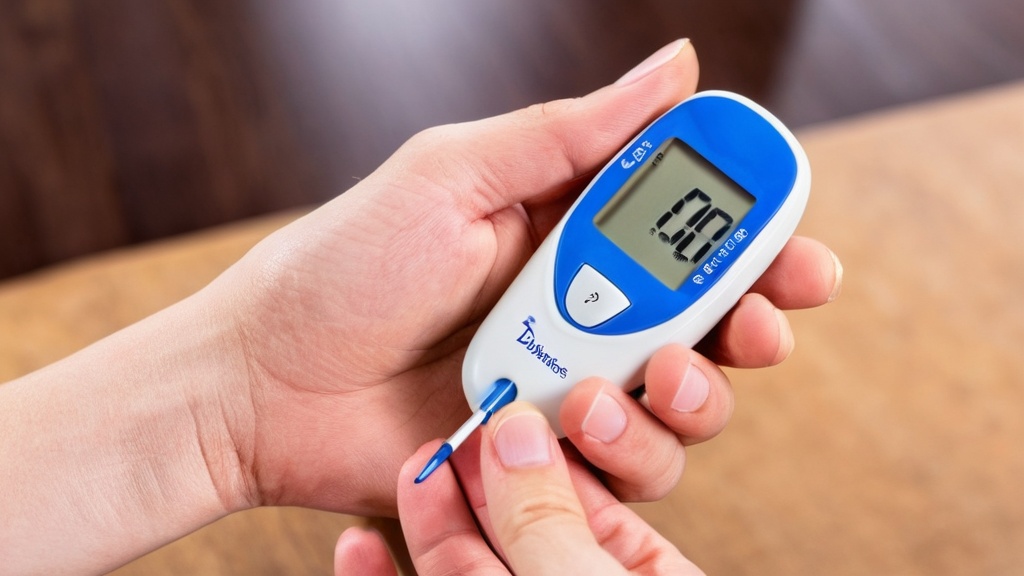
This is a small device. It checks your blood sugar quickly. You prick your finger for a small blood drop. The meter shows your current glucose level. It helps you see immediate effects of food and activity.
Self-Monitoring of Blood Glucose (SMBG): This is the practice of using a glucose meter. It allows for personal tracking. Daily SMBG is common for many people with diabetes. It informs daily decisions about food and exercise.
Complications
These are health problems caused by diabetes. High blood sugar damages blood vessels and nerves. This can affect eyes, kidneys, and feet. Heart disease is also a major risk. Good management prevents or delays complications.
Diabetic Retinopathy: Damage to blood vessels in the retina. This can lead to vision loss. Regular eye exams are crucial. Early detection makes treatment more effective.
Diabetic Nephropathy: Kidney damage from high blood sugar. This can progress to kidney failure. Blood pressure control is vital. Regular kidney function tests are important.
Diabetic Neuropathy: Nerve damage caused by diabetes. It often affects hands and feet. Symptoms include numbness and tingling. It can also affect digestion and heart rate. Foot care is extremely important.
Cardiovascular Disease: People with diabetes have higher heart risks. High blood sugar damages arteries. This increases chances of heart attack and stroke. Managing blood sugar, blood pressure, and cholesterol helps.
Managing Type 1 Diabetes

Type 1 diabetes requires lifelong insulin therapy. It is an autoimmune condition. The body mistakenly attacks its insulin cells. This means no natural insulin is produced. Daily management is essential for health.
Insulin Therapy
This is the cornerstone of Type 1 treatment. Insulin must be taken regularly. It replaces the insulin your pancreas doesn’t make. It is delivered via injections or an insulin pump. Dosing needs careful adjustment.
Basal Insulin: This is long-acting insulin. It provides a steady insulin level. It covers your body’s needs between meals. It also works overnight. It mimics a continuous low release.
Bolus Insulin: This is rapid-acting insulin. You take it with meals. It covers the carbohydrates you eat. It also corrects high blood sugar. Doses depend on food intake.
Insulin Pump: This is a small device. It delivers insulin continuously. Users can program it for meals. It offers more flexibility than injections. It is worn on the body.
Carbohydrate Counting
This is a vital skill for Type 1 management. It involves tracking grams of carbohydrates. This helps determine insulin doses. Each meal and snack requires calculation. Accurate counting is key for balance.
Carbohydrate Units: Often used in some countries. One unit equals 10-15 grams of carbs. Insulin doses are based on these units. It simplifies tracking for some individuals.
Understanding Type 2 Diabetes
Type 2 diabetes is the most common form. It often develops over many years. Lifestyle factors play a big role. It involves insulin resistance and later, reduced insulin production. Management focuses on lifestyle changes and medication.
Lifestyle Modifications
These are the first line of treatment. They can often prevent or delay the need for medication. Healthy eating and regular exercise are key. Weight loss is also very beneficial. These changes improve insulin sensitivity.
Healthy Diet: Focus on whole foods. Include plenty of vegetables and fruits. Choose lean proteins and whole grains. Limit added sugars and processed foods. Portion control is important too.
Regular Exercise: Aim for at least 150 minutes weekly. This includes aerobic activity. Strength training is also beneficial. Exercise helps cells use glucose better. It also aids weight management.
Oral Medications
When lifestyle changes aren’t enough, medication is used. Many types of pills help manage blood sugar. They work in different ways to lower glucose. Doctors choose medication based on individual needs.
Metformin: This is often the first medication prescribed. It reduces glucose production by the liver. It also improves insulin sensitivity. It is generally well-tolerated.
Sulfonylureas: These stimulate the pancreas to release more insulin. They can be effective but may cause low blood sugar. They are older medications.
DPP-4 Inhibitors: These increase insulin release after meals. They also reduce glucagon production. They tend to have fewer side effects.
SGLT2 Inhibitors: These cause the kidneys to excrete sugar. They help lower blood sugar levels. They may also offer heart and kidney benefits.
Gestational Diabetes
| Term | Definition |
|---|---|
| Diabetes | A disease in which the body’s ability to produce or respond to the hormone insulin is impaired, resulting in abnormal metabolism of carbohydrates and elevated levels of glucose in the blood. |
| Insulin | A hormone produced by the pancreas that regulates the amount of glucose in the blood. It allows cells to take in and use glucose for energy. |
| Glucose | A simple sugar that is an important source of energy for the body’s cells, and is the main source of energy for the brain. |
| HbA1c | A measure of average blood glucose levels over the past 2-3 months, used to monitor and diagnose diabetes. |
| Hyperglycemia | High blood sugar levels, often associated with diabetes. |
| Hypoglycemia | Low blood sugar levels, which can cause symptoms such as shakiness, dizziness, and confusion. |
This type of diabetes occurs during pregnancy. Hormonal changes can affect insulin function. It usually appears in the second or third trimester. It can affect both mother and baby.
Risks and Monitoring
Uncontrolled gestational diabetes poses risks. These include larger babies and birth complications. It can also increase the mother’s risk of Type 2 diabetes later. Regular screening is essential during pregnancy.
Screening Test: This is usually done between 24-28 weeks. A sugary drink is consumed. Blood sugar is tested an hour later. It helps identify women who need further testing.
Glucose Tolerance Test: If the screening is abnormal, this follows. It involves more blood draws over several hours. It provides a definitive diagnosis.
Management and Treatment
Gestational diabetes is managed with diet and exercise. Some women may need medication. This includes oral agents or insulin. The goal is to keep blood sugar levels stable. This protects both mother and baby.
Postpartum Follow-up: After delivery, blood sugar levels usually return to normal. However, women who had gestational diabetes have a higher risk of developing Type 2 diabetes. Regular check-ups are important.
Understanding Your Numbers
Knowing your blood sugar numbers is important. They tell a story about your health. They help you and your doctor make good decisions. Regular monitoring is key to effective diabetes management.
Target Ranges
Your doctor sets your personal target ranges. These can vary based on your age and health. Generally, lower numbers mean better control. These targets are for fasting, post-meal, and A1C.
Fasting Target: Typically 80-130 mg/dL. This is before breakfast.
Post-Meal Target: Usually below 180 mg/dL. This is about two hours after eating.
A1C Target: Often below 7%. This reflects average sugar over months.
Why Numbers Matter
High blood sugar damages your body over time. It affects your eyes, kidneys, and nerves. It also increases heart disease risk. Lowering your numbers protects your health. It prevents or delays serious problems.
Hypoglycemia (Low Blood Sugar): This is when blood sugar drops too low. Symptoms include shakiness, dizziness, and confusion. It usually happens when too much insulin is taken or meals are skipped. It requires immediate treatment with fast-acting sugar.
Hyperglycemia (High Blood Sugar): This is when blood sugar is too high. Symptoms can include increased thirst and frequent urination. It is the main concern in diabetes management. It requires attention to diet, medication, and activity.
Actionable Tips for Health
Managing diabetes involves daily choices. These tips are general recommendations. Always discuss your personal plan with your doctor. They can provide tailored advice. Small steps can make a big difference.
Healthy Eating Habits
Focus on balanced meals. Include lean proteins, healthy fats, and complex carbohydrates. Fill half your plate with non-starchy vegetables. Drink plenty of water. Limit sugary drinks and processed snacks.
Meal Timing: Try to eat meals at consistent times. This helps regulate blood sugar. Don’t skip meals. Plan healthy snacks if needed between meals.
Stay Active
Incorporate physical activity into your routine. Aim for at least 30 minutes most days. Find activities you enjoy. This could be walking, swimming, or dancing. Exercise improves insulin sensitivity.
Movement Breaks: If you sit for long periods, take short breaks. Stand up, stretch, or walk around. This can help lower post-meal blood sugar.
Regular Check-ups
See your healthcare team regularly. This includes your doctor, dietitian, and possibly an endocrinologist. They monitor your progress. They adjust your treatment as needed. Don’t miss your appointments.
Eye Exams: Get yearly dilated eye exams. This checks for diabetic retinopathy. Early detection is key.
Foot Care: Check your feet daily. Look for cuts, blisters, or redness. Wash and dry them carefully. Wear comfortable shoes. Report any concerns to your doctor.
Stress Management
Stress can affect blood sugar levels. Find healthy ways to cope with stress. This might include deep breathing, meditation, or hobbies. Prioritize sleep for overall well-being.
Sleep Hygiene: Aim for 7-9 hours of quality sleep per night. A consistent sleep schedule helps regulate hormones. It also improves your body’s ability to manage glucose.
By understanding these terms and following safe, evidence-based advice, you can take control of your health. Diabetes is a journey, and knowledge is a powerful tool. Work closely with your healthcare providers. They are your partners in managing this condition.
FAQs
What is diabetes?
Diabetes is a chronic condition that affects how your body processes blood sugar (glucose). There are two main types of diabetes: type 1 and type 2.
What is insulin?
Insulin is a hormone produced by the pancreas that helps regulate blood sugar levels. In people with diabetes, the body either does not produce enough insulin or does not use it effectively.
What is hypoglycemia?
Hypoglycemia, also known as low blood sugar, occurs when blood sugar levels drop below normal. This can cause symptoms such as shakiness, dizziness, and confusion.
What is hyperglycemia?
Hyperglycemia, also known as high blood sugar, occurs when blood sugar levels are too high. This can lead to symptoms such as increased thirst, frequent urination, and fatigue.
What is A1C?
A1C is a blood test that measures average blood sugar levels over the past 2-3 months. It is used to monitor long-term blood sugar control in people with diabetes.