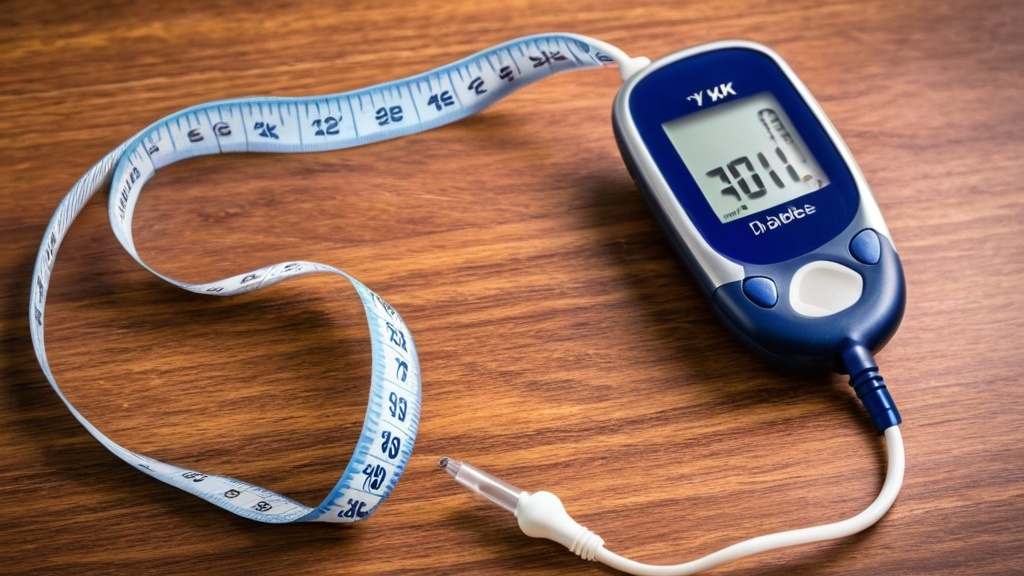
The Metabolic Risks of Obesity: Diabetes Connection


Your body works hard for you. Do you know how obesity impacts its essential systems? Uncover the critical link between extra weight and diabetes risk. Let’s explore this vital connection together.
Your body uses glucose for energy. Food you eat turns into this sugar. Insulin, a hormone, helps cells absorb glucose. When you carry extra weight, this system can falter.
Obesity often leads to insulin resistance. Your cells don’t respond well to insulin. The pancreas then makes more insulin. This overproduction taxes the organ over time.
Understanding Insulin Resistance
Insulin resistance is a key player. It means cells resist insulin’s signal. Glucose then builds up in your bloodstream. This sets the stage for health problems.
Think of it like a locked door. Insulin is the key. But the lock becomes sticky. Glucose waits outside, unable to enter.
Pancreatic Strain and Insulin Production
Your pancreas works overtime. It tries to compensate for resistance. It ramps up insulin production. This constant effort can wear it out.
Eventually, the pancreas tires. It can’t produce enough insulin. Blood sugar levels then soar. This is a common path to type 2 diabetes.
Fueling the Fire: How Adipose Tissue Drives Metabolic Changes
Fat tissue, especially around the belly, is active. It’s not just stored energy. It releases hormones and other substances. These compounds impact your whole body.
These substances can fuel inflammation. They also contribute to insulin resistance. This creates a cycle of metabolic disruptions. Visceral fat is particularly concerning.
The Role of Visceral Fat
Visceral fat wraps around organs. It sits deep within your abdomen. This type of fat is metabolically active. It releases harmful chemicals.
Studies link visceral fat to insulin resistance. Losing this specific fat is beneficial. Even small changes can make a difference.
Inflammatory Markers and Obesity
Obesity often fosters inflammation. Fat cells release pro-inflammatory molecules. These molecules circulate throughout the body. They worsen insulin resistance.
Chronic inflammation harms cells. It can damage blood vessels too. This increases risks beyond diabetes. Heart disease is another concern. Research in Nature Medicine highlights this connection.
The Domino Effect: From Insulin Resistance to Type 2 Diabetes

Insulin resistance is a precursor. It often comes before type 2 diabetes. Years can pass between the two. However, the path is clear.
As resistance worsens, blood sugar rises. Doctors can detect elevated levels. This stage is called prediabetes. It’s a warning sign.
What is Prediabetes?
Prediabetes means blood sugar is high. It’s not high enough for a diabetes diagnosis. But it’s beyond normal levels. It signals increased risk.
Around one in three American adults has prediabetes. Many don’t even know it. Lifestyle changes can reverse it. The American Diabetes Association emphasizes this point. Without action, it often progresses to type 2 diabetes.
Diagnosing Type 2 Diabetes
Doctors diagnose type 2 diabetes with blood tests. The A1C test measures average blood sugar. Fasting plasma glucose is another common test. High levels confirm the diagnosis.
A diagnosis brings new challenges. It also brings the need for management. Early diagnosis is crucial. It helps prevent complications.
Beyond Blood Sugar: Other Organ Systems Affected by Obesity and Diabetes

The impact extends beyond glucose. Obesity and diabetes affect many organs. The heart, kidneys, and nerves are all at risk. This highlights the systemic nature of these conditions.
Vessel function is a major concern. High blood sugar damages blood vessels. This damage can be widespread.
Cardiovascular Consequences
Heart disease is a major complication. High blood sugar and obesity stress the heart. They contribute to high blood pressure. They also increase bad cholesterol.
Both conditions raise stroke risk. They also increase heart attack risk. Maintaining a healthy weight protects your heart. The Centers for Disease Control and Prevention (CDC) provides extensive data on this.
Kidney Disease and Nerve Damage
Diabetes is a leading cause of kidney failure. High blood sugar harms kidney filters. This impairs their ability to clean blood. It can lead to dialysis.
Nerve damage (neuropathy) is also common. It often affects legs and feet. This can cause pain, numbness, and tingling. In severe cases, it can lead to amputation.
Taking Action: Practical Steps to Reduce Your Risk
| Category | Obesity | Metabolic Risk | Diabetes |
|---|---|---|---|
| Definition | Excess body fat | Factors that increase the risk of cardiovascular disease | Chronic condition that affects how your body processes blood sugar |
| Risk Factors | Poor diet, lack of physical activity, genetics | High blood pressure, high blood sugar, abnormal cholesterol levels | Obesity, family history, physical inactivity |
| Prevention | Healthy eating, regular exercise, lifestyle changes | Healthy diet, regular exercise, weight management | Healthy diet, regular physical activity, weight control |
You have power over your health. Small changes can make a big impact. Focusing on healthy habits is key. These actions can prevent or manage diabetes.
It’s never too late to start. Talk to your doctor about your risks. They offer personalized advice.
Nutritional Strategies for Blood Sugar Control
Eat a balanced diet. Focus on whole, unprocessed foods. Include plenty of vegetables and fruits. Choose lean proteins and healthy fats.
Limit sugary drinks and refined carbs. These cause rapid blood sugar spikes. Consider portion control. Even healthy foods add up. Harvard T.H. Chan School of Public Health offers excellent dietary guidance.
For example, swap white bread for whole wheat. Choose water over soda. Snack on an apple instead of cookies. These small shifts reduce sugar intake.
The Power of Regular Physical Activity
Move your body regularly. Aim for at least 150 minutes of moderate activity weekly. This could be brisk walking. Or try cycling or swimming.
Exercise improves insulin sensitivity. Your cells become more responsive. This helps lower blood sugar levels naturally. It also helps with weight management.
Even short bursts of activity help. Take the stairs instead of the elevator. Walk during your lunch break. Consistency is more important than intensity.
Weight Management for Long-Term Health
Losing even a small amount of weight helps. A 5-7% weight loss can significantly reduce diabetes risk. This means losing 10-14 pounds if you weigh 200. Focus on sustainable changes.
Don’t aim for quick fixes. Gradual weight loss is more effective. It also tends to be more lasting. Support from a healthcare professional can be invaluable.
Imagine Sarah, who loves to bake. She cut back on sugary desserts. She started walking 30 minutes daily. In six months, she lost 15 pounds. Her doctor told her her prediabetes was gone. This shows the power of consistent effort.
Prioritize sleep too. Lack of sleep can affect hormones. It can increase appetite. It can also worsen insulin resistance. Aim for 7-9 hours of quality sleep each night.
By understanding the link between obesity and diabetes, you empower yourself. You can make informed choices. These choices protect your long-term health. Your body will thank you for it.
FAQs
What is obesity?
Obesity is a medical condition characterized by excessive body fat that increases the risk of other health problems. It is typically measured using the body mass index (BMI) and is defined as having a BMI of 30 or higher.
What are the metabolic risks associated with obesity?
Obesity is associated with a range of metabolic risks, including high blood pressure, high cholesterol, insulin resistance, and an increased risk of developing type 2 diabetes. These metabolic risks can lead to serious health complications if left untreated.
How does obesity increase the risk of diabetes?
Obesity increases the risk of developing type 2 diabetes by causing insulin resistance, where the body’s cells do not respond effectively to insulin. This leads to high levels of sugar in the blood, which can eventually result in the development of diabetes.
What are the health implications of obesity-related diabetes?
Obesity-related diabetes can lead to a range of health complications, including heart disease, stroke, kidney disease, nerve damage, and vision problems. It is important for individuals with obesity and diabetes to manage their condition through lifestyle changes and, in some cases, medication.
How can obesity-related diabetes be managed and prevented?
Managing and preventing obesity-related diabetes involves maintaining a healthy weight through a balanced diet and regular physical activity. For individuals at risk of or already diagnosed with diabetes, it is important to work with healthcare professionals to develop a personalized treatment plan that may include medication, blood sugar monitoring, and regular check-ups.