Understanding Youth Diabetes: Causes, Symptoms, and Management

Youth diabetes is a growing concern worldwide. It refers to diabetes that occurs in children and adolescents, primarily type 1 and type 2 diabetes. According to the Centers for Disease Control and Prevention (CDC), the prevalence of diabetes among youth has increased significantly over the past few decades. This rise highlights the need for awareness, education, and effective management strategies.
Understanding youth diabetes is crucial for parents, educators, and healthcare providers. Early detection and intervention can help prevent complications and improve quality of life. By recognizing the signs and symptoms, families can take proactive steps to manage this condition effectively.
Key Takeaways
- Youth diabetes includes various types, primarily Type 1 and Type 2, affecting children and adolescents.
- Causes range from genetic factors to lifestyle influences such as diet and physical activity.
- Early symptoms include increased thirst, frequent urination, and unexplained weight loss.
- Effective management involves a combination of diet, exercise, medication, and regular blood sugar monitoring.
- Support systems and resources are crucial for helping youth cope with diabetes and prevent complications.
Causes of Youth Diabetes
The causes of youth diabetes vary depending on the type. Type 1 diabetes occurs when the immune system mistakenly attacks insulin-producing cells in the pancreas. This process is not fully understood but may involve genetic and environmental factors. For instance, a viral infection could trigger this autoimmune response in genetically predisposed individuals.
On the other hand, type 2 diabetes is often linked to lifestyle factors. Poor diet, lack of physical activity, and obesity contribute significantly to its development. For example, a child who frequently consumes sugary drinks and spends hours on screens may be at higher risk. Understanding these causes can help families make informed choices to reduce risk.
Types of Youth Diabetes
There are primarily two types of diabetes that affect youth: type 1 and type 2. Type 1 diabetes usually develops in childhood or adolescence. It requires lifelong insulin therapy since the body cannot produce insulin. This type is less common but often diagnosed suddenly, leading to a need for immediate medical attention.
Type 2 diabetes, however, is becoming increasingly prevalent among young people. It typically develops due to insulin resistance and is often associated with obesity. Unlike type 1, type 2 can sometimes be managed with lifestyle changes alone. However, some individuals may eventually require medication or insulin therapy as their condition progresses.
Symptoms of Youth Diabetes
Recognizing the symptoms of youth diabetes is essential for early diagnosis. Common signs include excessive thirst, frequent urination, and extreme fatigue. A child may also experience blurred vision or unexplained weight loss. For instance, a previously active child who suddenly becomes lethargic may be showing signs of diabetes.
In type 1 diabetes, symptoms can develop rapidly over a few days or weeks. In contrast, type 2 diabetes symptoms may develop more gradually and can be subtle. Parents should monitor their children closely for any unusual changes in behavior or health and consult a healthcare provider if they notice concerning symptoms.
Risk Factors for Youth Diabetes
| Metric | Value | Notes |
|---|---|---|
| Prevalence of Type 1 Diabetes in Youth | Approximately 1.6 per 1,000 children | Commonly diagnosed in children and adolescents |
| Prevalence of Type 2 Diabetes in Youth | Increasing, estimated 0.5 per 1,000 children | Linked to obesity and lifestyle factors |
| Average Age of Onset | Type 1: 4-14 years; Type 2: 10-19 years | Type 2 diabetes onset is rising in younger ages |
| Annual New Diagnoses (US) | ~18,000 youth with Type 1; ~5,000 youth with Type 2 | Data from recent CDC reports |
| Common Symptoms | Increased thirst, frequent urination, fatigue, weight loss | Symptoms may vary between Type 1 and Type 2 |
| Risk Factors for Type 2 Diabetes | Obesity, family history, sedentary lifestyle, ethnicity | Higher risk in African American, Hispanic, Native American youth |
| Management Strategies | Insulin therapy (Type 1), lifestyle changes, medication (Type 2) | Early diagnosis improves outcomes |
| Complications if Untreated | Kidney damage, vision loss, nerve damage, cardiovascular disease | Long-term complications can begin in adolescence |
Several risk factors contribute to the likelihood of developing youth diabetes. Family history plays a significant role, especially for type 1 diabetes. If a parent or sibling has the condition, a child may have a higher risk of developing it as well.
For type 2 diabetes, lifestyle factors are critical. Children who are overweight or inactive are at greater risk. Additionally, certain ethnic groups, such as African American, Hispanic, and Native American populations, have higher rates of type 2 diabetes. Understanding these risk factors can empower families to take preventive measures.
Diagnosing Youth Diabetes
Diagnosing youth diabetes involves several tests to measure blood sugar levels. The most common tests include fasting blood glucose tests and hemoglobin A1c tests. A healthcare provider may also conduct an oral glucose tolerance test to assess how the body processes sugar.
If a child shows symptoms of diabetes, timely testing is crucial. Early diagnosis can prevent complications and allow for immediate management strategies. Parents should not hesitate to seek medical advice if they suspect their child may have diabetes.
Managing Youth Diabetes: Diet and Exercise
Managing youth diabetes effectively requires a balanced approach that includes diet and exercise. A healthy diet focuses on whole foods like fruits, vegetables, whole grains, and lean proteins. For example, replacing sugary snacks with fresh fruit can help maintain stable blood sugar levels.
Regular physical activity is equally important. Engaging in activities like biking, swimming, or team sports can improve insulin sensitivity and overall health. Aim for at least 60 minutes of moderate exercise most days of the week. Encouraging children to find activities they enjoy can make this easier.
Medication and Insulin Management for Youth Diabetes
For many young people with type 1 diabetes, insulin therapy is essential for survival. Insulin can be administered through injections or an insulin pump. Healthcare providers will work with families to determine the best approach based on individual needs.
In cases of type 2 diabetes, medication may be necessary if lifestyle changes alone do not suffice. Medications like metformin can help improve insulin sensitivity and lower blood sugar levels. Regular follow-ups with healthcare providers ensure that treatment plans remain effective as children grow and their needs change.
Monitoring Blood Sugar Levels in Youth Diabetes
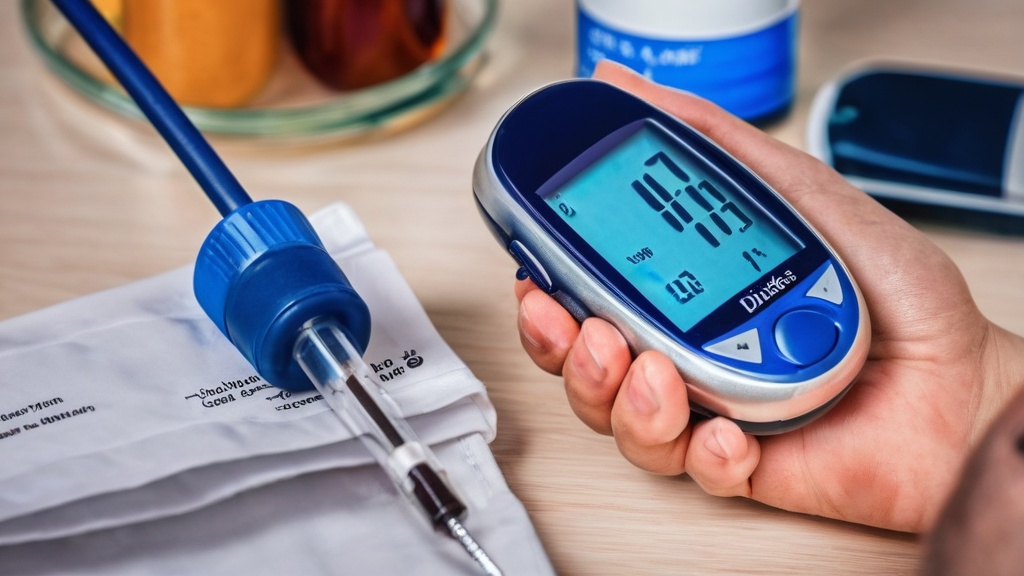
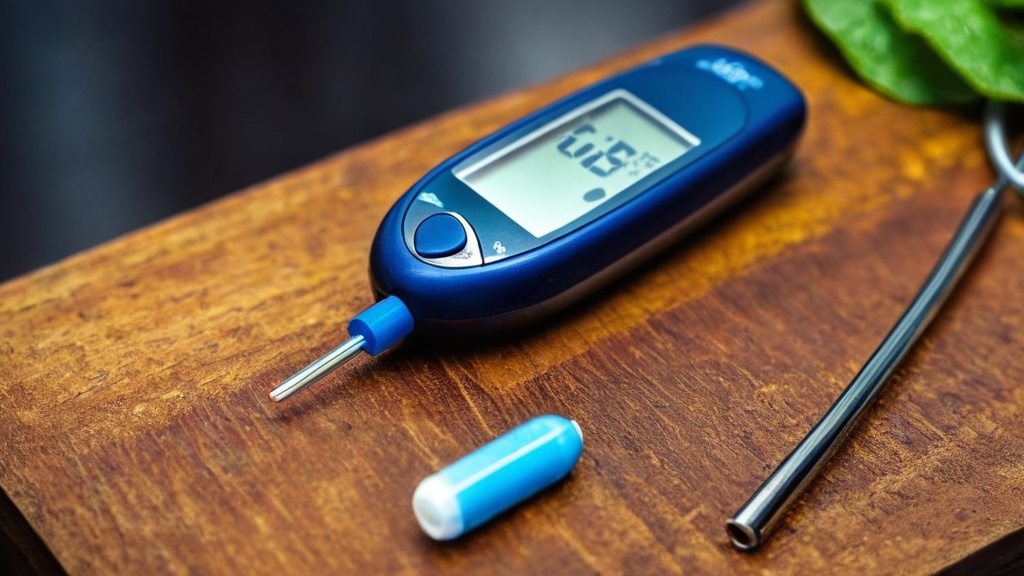
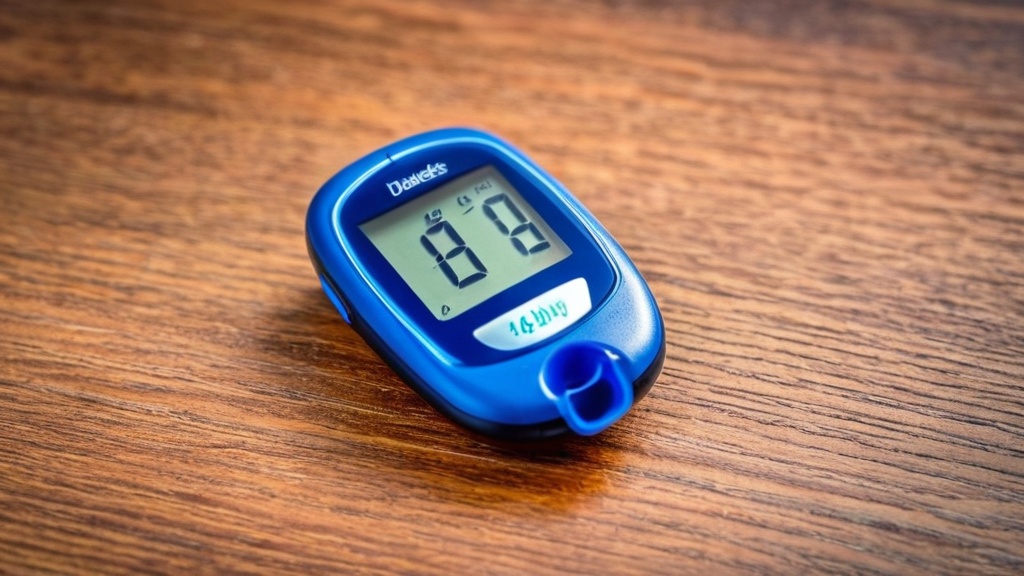
Monitoring blood sugar levels is a critical aspect of managing youth diabetes. Regular checks help ensure that blood sugar remains within target ranges. Parents can teach their children how to use glucose meters or continuous glucose monitors (CGMs) effectively.
Establishing a routine for monitoring can make this process easier. For example, checking blood sugar before meals and at bedtime can provide valuable insights into how food and activity affect levels. Keeping a log of these readings helps healthcare providers make informed decisions about treatment adjustments.
Complications of Youth Diabetes
If left unmanaged, youth diabetes can lead to serious complications over time. These may include cardiovascular disease, nerve damage, kidney problems, and vision issues. For instance, high blood sugar levels can damage blood vessels in the eyes, leading to diabetic retinopathy.
Preventing complications requires diligent management of blood sugar levels and regular check-ups with healthcare providers. Educating young people about their condition empowers them to take charge of their health and make informed choices that minimize risks.
Support and Resources for Youth with Diabetes
Support is vital for young people living with diabetes and their families. Organizations like the American Diabetes Association offer resources, educational materials, and community support groups. These resources can help families connect with others facing similar challenges.
Schools also play an essential role in supporting students with diabetes. Educating teachers and staff about the condition ensures that children receive appropriate care during school hours. Open communication between parents and school personnel fosters a supportive environment for children managing their health.
In conclusion, youth diabetes presents unique challenges but can be managed effectively with the right knowledge and support. By understanding its causes, symptoms, and management strategies, families can navigate this journey together. With proactive measures and resources available, young people with diabetes can lead healthy, fulfilling lives.
FAQs
What is youth diabetes?
Youth diabetes refers to diabetes diagnosed in children and adolescents. It includes both type 1 diabetes, where the body does not produce insulin, and type 2 diabetes, which is often related to insulin resistance.
What are the common symptoms of diabetes in young people?
Common symptoms include increased thirst and urination, unexplained weight loss, fatigue, blurred vision, and slow-healing sores or frequent infections.
How is diabetes diagnosed in children and teenagers?
Diabetes is diagnosed through blood tests that measure blood glucose levels, such as fasting blood sugar, random blood sugar, or an A1C test that reflects average blood sugar over the past 2-3 months.
What are the treatment options for youth diabetes?
Treatment depends on the type of diabetes but generally includes insulin therapy for type 1 diabetes, lifestyle changes like healthy eating and physical activity, and sometimes oral medications for type 2 diabetes.
Can youth with diabetes lead a normal life?
Yes, with proper management including regular monitoring, medication, a balanced diet, and physical activity, young people with diabetes can lead healthy, active lives.