Understanding the Diabetes Diagnosis Process

Diabetes is a chronic condition that affects how your body processes glucose, a type of sugar. When you eat, your body breaks down carbohydrates into glucose, which enters your bloodstream.
Insulin, a hormone produced by the pancreas, helps cells absorb glucose for energy.
In diabetes, this process is disrupted, leading to high blood sugar levels.
There are two main types of diabetes: Type 1 and Type 2. Type 1 diabetes occurs when the immune system attacks insulin-producing cells in the pancreas. This type usually develops in children or young adults. Type 2 diabetes, on the other hand, is more common and often develops in adults. It occurs when the body becomes resistant to insulin or doesn’t produce enough of it. Both types require careful management to prevent complications.
Key Takeaways
- Diabetes is a chronic condition characterized by high blood sugar levels due to insulin issues.
- Common symptoms include increased thirst, frequent urination, and unexplained weight loss.
- Risk factors include family history, obesity, sedentary lifestyle, and age.
- Diabetes diagnosis involves various tests such as fasting glucose, oral glucose tolerance, and A1C levels.
- Effective management requires regular monitoring, specialist guidance, and access to support resources.
Symptoms of Diabetes
Recognizing the symptoms of diabetes is crucial for early diagnosis and treatment. Common symptoms include increased thirst, frequent urination, and extreme fatigue. For instance, you might find yourself drinking more water than usual and needing to visit the bathroom often. These signs occur because excess glucose in the blood pulls water from tissues, leading to dehydration.
Other symptoms can include blurred vision and slow-healing wounds. If you notice that small cuts take longer to heal or your vision seems off, it’s worth discussing with a healthcare provider. Some people may also experience unexplained weight loss or increased hunger. These symptoms can vary from person to person, so it’s essential to pay attention to your body’s signals.
Risk Factors for Diabetes

Several risk factors can increase your likelihood of developing diabetes. Family history plays a significant role; if a parent or sibling has diabetes, your risk may be higher. Additionally, age is a factor; individuals over 45 are at greater risk, especially if they are overweight.
Lifestyle choices also contribute significantly to diabetes risk. A sedentary lifestyle, poor diet, and obesity are major contributors to Type 2 diabetes. For example, regularly consuming sugary drinks and processed foods can lead to weight gain and insulin resistance. Understanding these risk factors can help you make informed choices about your health.
Getting Tested for Diabetes
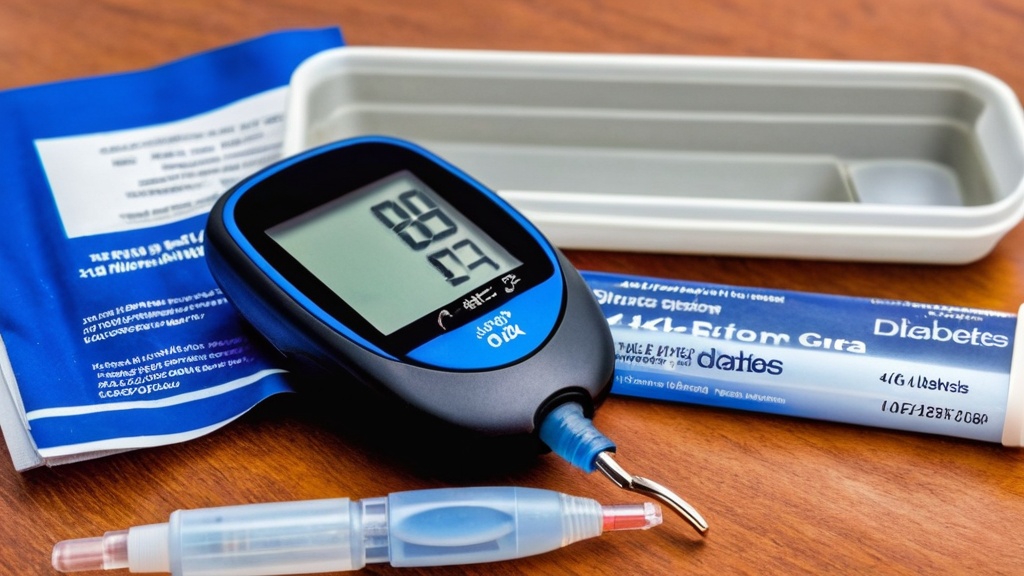
Getting tested for diabetes is essential for early detection and management. If you experience symptoms or have risk factors, consult a healthcare provider about testing options. Regular screenings can catch diabetes before it leads to serious complications.
The American Diabetes Association recommends that adults aged 45 and older get tested every three years. If you have risk factors like obesity or a family history of diabetes, you may need to start testing earlier. Early diagnosis allows for timely intervention, which can significantly improve health outcomes.
Types of Diabetes Tests
| Metric | Description | Typical Values/Range | Units |
|---|---|---|---|
| Fasting Blood Glucose | Blood sugar level after an overnight fast | Normal: <100; Prediabetes: 100-125; Diabetes: ≥126 | mg/dL |
| HbA1c (Glycated Hemoglobin) | Average blood glucose over past 2-3 months | Normal: <5.7%; Prediabetes: 5.7%-6.4%; Diabetes: ≥6.5% | % |
| Oral Glucose Tolerance Test (OGTT) | Blood glucose 2 hours after 75g glucose intake | Normal: <140; Prediabetes: 140-199; Diabetes: ≥200 | mg/dL |
| Random Blood Glucose | Blood sugar level at any time of day | Diabetes: ≥200 with symptoms | mg/dL |
| Insulin Level | Measures insulin in blood to assess pancreatic function | 2-25 | µIU/mL |
| C-Peptide | Indicates endogenous insulin production | 0.5-2.0 | ng/mL |
There are several tests available to diagnose diabetes. The fasting plasma glucose test measures blood sugar after an overnight fast. A reading of 126 mg/dL or higher indicates diabetes. Another common test is the oral glucose tolerance test, which measures blood sugar before and two hours after consuming a sugary drink.
The A1C test provides an average blood sugar level over the past two to three months. This test is convenient because it doesn’t require fasting. Each of these tests has its advantages, so discussing options with your healthcare provider can help determine the best approach for you.
Interpreting Test Results
Understanding your test results is crucial for managing diabetes effectively. If your fasting plasma glucose level is between 100 and 125 mg/dL, you may have prediabetes, which indicates an increased risk of developing Type 2 diabetes. A level of 126 mg/dL or higher confirms a diabetes diagnosis.
For the A1C test, a result of 5.7% to 6.4% suggests prediabetes, while 6.5% or higher indicates diabetes. It’s important to remember that one abnormal result doesn’t necessarily mean you have diabetes; your doctor may recommend additional testing for confirmation.
Understanding A1C Levels
The A1C test is a valuable tool for monitoring long-term blood sugar control in people with diabetes. It reflects average blood glucose levels over the past two to three months. For most adults with diabetes, an A1C level below 7% is often the target for good management.
Higher A1C levels indicate poorer blood sugar control and an increased risk of complications like heart disease and nerve damage. For example, if your A1C level rises from 6% to 8%, it may signal the need for adjustments in your management plan. Regular monitoring helps you stay on track and make necessary changes.
Meeting with a Diabetes Specialist
Consulting with a diabetes specialist can provide valuable insights into managing your condition effectively. These professionals include endocrinologists, certified diabetes educators, and dietitians who specialize in diabetes care. They can help tailor a management plan that fits your lifestyle and needs.
During your appointment, be prepared to discuss your symptoms, lifestyle habits, and any concerns you may have. Specialists can offer guidance on medication options, dietary changes, and exercise plans that suit your individual circumstances. Their expertise can empower you to take control of your health.
Creating a Diabetes Management Plan
A personalized diabetes management plan is essential for maintaining stable blood sugar levels. This plan typically includes dietary recommendations, physical activity guidelines, and medication management strategies. For instance, incorporating more whole grains and vegetables into your diet can help regulate blood sugar levels.
Setting realistic goals is also important. Start with small changes, like walking for 20 minutes a day or reducing sugary snacks.
Tracking your progress can motivate you and help identify areas needing improvement.
Collaborating with healthcare providers ensures that your plan remains effective and adaptable as your needs change.
Monitoring and Managing Diabetes
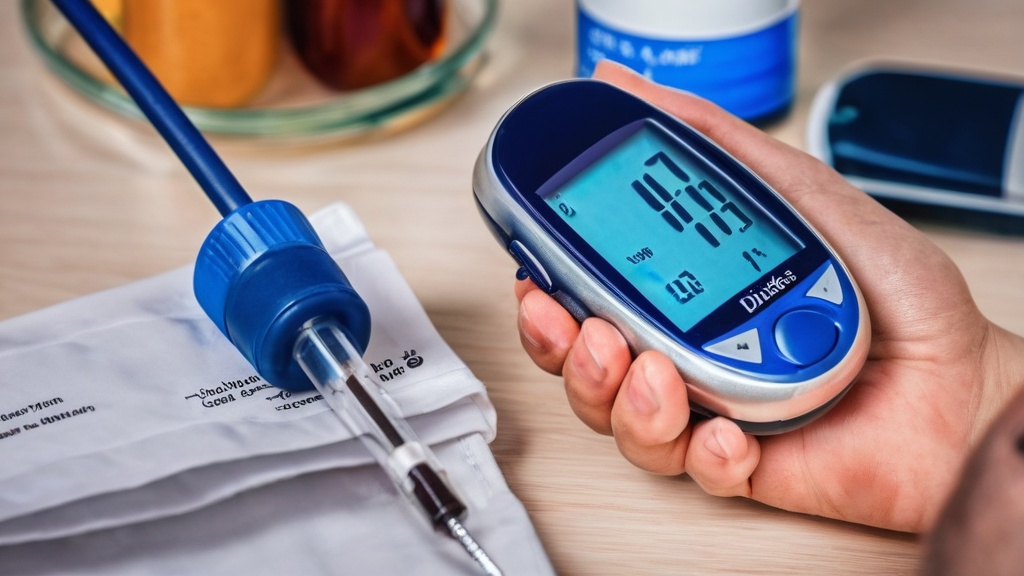
Regular monitoring of blood sugar levels is crucial for effective diabetes management. Many people use home glucose meters to check their levels throughout the day. Keeping a log of these readings can help identify patterns and inform necessary adjustments in diet or medication.
In addition to monitoring blood sugar, managing stress is vital for overall health. Stress can affect blood sugar levels, so finding healthy coping mechanisms is essential. Activities like yoga, meditation, or even simple breathing exercises can help reduce stress and improve well-being.
Support and Resources for Living with Diabetes
Living with diabetes can be challenging, but support is available. Many organizations offer resources for education and community support. The American Diabetes Association provides information on managing diabetes and connecting with local support groups.
Online forums and social media groups can also be valuable for sharing experiences and tips with others facing similar challenges. Engaging with a community can provide encouragement and motivation as you navigate your journey with diabetes.
In conclusion, understanding diabetes is the first step toward effective management. Recognizing symptoms, knowing risk factors, and getting tested are crucial components of early detection and treatment. By working closely with healthcare professionals and utilizing available resources, individuals with diabetes can lead healthy lives while managing their condition effectively.
FAQs
What are the common tests used to diagnose diabetes?
The most common tests for diagnosing diabetes include the fasting plasma glucose (FPG) test, the oral glucose tolerance test (OGTT), and the hemoglobin A1c (HbA1c) test. These tests measure blood sugar levels to determine if they are within a normal range or indicative of diabetes.
What blood sugar levels indicate a diabetes diagnosis?
A fasting blood sugar level of 126 mg/dL (7.0 mmol/L) or higher on two separate tests typically indicates diabetes. An HbA1c level of 6.5% or higher also suggests diabetes. For the OGTT, a 2-hour blood sugar level of 200 mg/dL (11.1 mmol/L) or higher confirms the diagnosis.
Can diabetes be diagnosed without symptoms?
Yes, diabetes can be diagnosed even if a person does not have symptoms. Routine screening through blood tests is important, especially for individuals with risk factors such as obesity, family history, or age over 45.
How often should people at risk be tested for diabetes?
People at risk for diabetes should be tested at least every three years, or more frequently if they have additional risk factors like high blood pressure, abnormal cholesterol levels, or a history of gestational diabetes.
What is the difference between type 1 and type 2 diabetes diagnosis?
Type 1 diabetes is often diagnosed in children or young adults and may require additional antibody tests to confirm autoimmune destruction of insulin-producing cells. Type 2 diabetes is more common in adults and is diagnosed primarily through blood sugar tests without the need for antibody testing.