Understanding Diabetic Neuropathy: Symptoms and Treatments

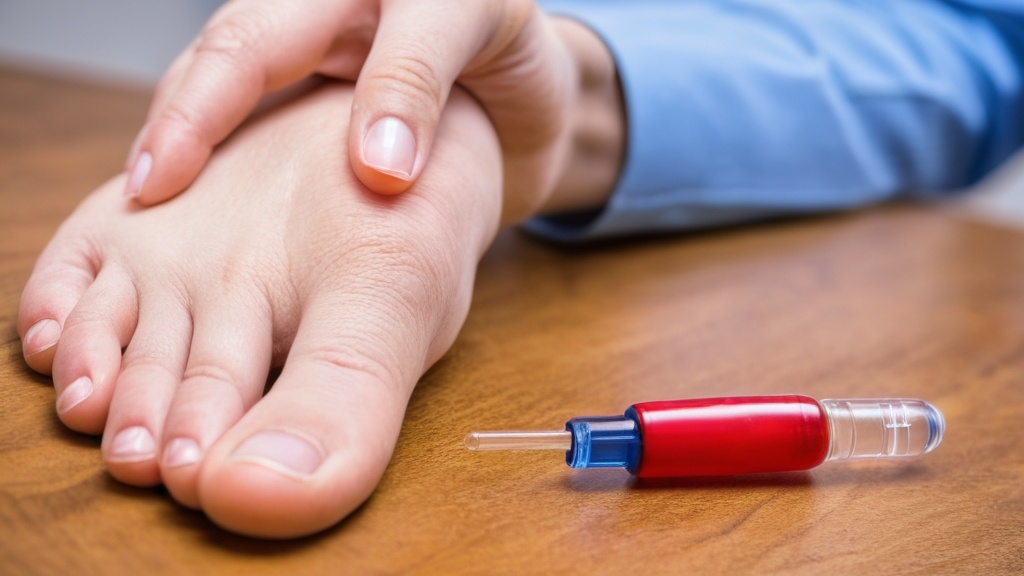
Diabetes can impact your body in surprising ways. One common complication affects your nerves. This condition, called diabetic neuropathy, can cause pain, numbness, and other sensations. Understanding it helps you manage your health better.
What is Diabetic Neuropathy?
Diabetic neuropathy results from high blood sugar levels. These high levels damage nerves over time. This damage can occur throughout your body. Different types of neuropathy affect specific areas.
The most common type is peripheral neuropathy. It often impacts your feet and hands. Autonomic neuropathy affects internal organs. Focal neuropathy targets single nerves. Proximal neuropathy affects thighs and hips.
Recognizing the Symptoms
Symptoms of diabetic neuropathy vary widely. They depend on which nerves are damaged. Early detection is key for better management. Pay attention to changes in your body.
Peripheral Neuropathy Symptoms
Peripheral neuropathy often starts subtly. You might feel tingling or numbness. This typically begins in your toes or fingers. It can spread upward into your feet or hands.
You might experience sharp pains or cramps. Some people describe a burning sensation. Others feel increased sensitivity to touch. Even a bedsheet can cause discomfort. Loss of sensation is also common. This can make injuries harder to detect.
- Tingling and Numbness: Like pins and needles.
- Burning Pain: A persistent, hot sensation.
- Sharp Pains or Cramps: Sudden, intense discomfort.
- Increased Sensitivity: Ordinary touch feels painful.
- Loss of Sensation: Dangerously unaware of injuries.
Autonomic Neuropathy Symptoms
Autonomic nerves control involuntary functions. These include digestion, heart rate, and blood pressure. Damage here causes diverse issues. Problems with various body systems can arise.
You might experience digestive issues. Nausea, vomiting, or diarrhea are common. Constipation can also occur. Blood pressure regulation may suffer. Dizziness upon standing is a sign. This is called orthostatic hypotension.
- Digestive Problems: Nausea, vomiting, diarrhea, constipation.
- Blood Pressure Changes: Dizziness when standing up.
- Urinary Issues: Difficulty emptying your bladder.
- Sexual Dysfunction: Erectile dysfunction in men, vaginal dryness in women.
- Sweating Irregularities: Excessive sweating or lack of sweat.
Focal Neuropathy Symptoms
Focal neuropathy affects one nerve or nerve group. Symptoms appear suddenly. They typically affect the eye, head, or torso. This type often improves over time.
You might experience sudden weakness. Drooping eyelids or double vision can occur. Pain in one area like your thigh is possible. Bell’s palsy, facial nerve paralysis, is another form.
- Eye Problems: Double vision, pain behind the eye, drooping eyelid.
- Facial Paralysis: Weakness on one side of the face.
- Localized Pain: Sharp pain in the thigh or lower back.
Diagnosis and Monitoring
Your doctor will diagnose diabetic neuropathy. They will review your symptoms. A physical exam is essential. They will check your reflexes and sensation.
Nerve conduction studies might be done. These tests measure nerve electrical activity. Electromyography assesses muscle response. Quantitative sensory testing measures nerve fiber function. You might undergo autonomic testing as well.
Regular screenings are important. Diabetes management includes nerve health checks. These aim to catch issues early. Catching neuropathy early can prevent worsening.
Managing Diabetic Neuropathy
Managing diabetic neuropathy focuses on two goals. First, control your blood sugar. Second, relieve your symptoms. A multi-faceted approach works best. This often involves lifestyle changes and medical treatments.
Blood Sugar Control
Tight blood sugar control helps prevent nerve damage. It can also slow progression. Work closely with your doctor. Develop a personalized management plan. This plan might include medication, diet, and exercise.
Regularly monitor your blood glucose levels. Aim for target ranges your doctor sets. Consistency is key for long-term health. Think of it as steering a boat. Small adjustments keep you on course.
Lifestyle Adjustments
Lifestyle changes play a crucial role. A balanced diet supports overall health. Regular physical activity is beneficial. Exercise can improve nerve function and circulation. It also helps manage blood sugar levels.
Consider managing your weight. Excess weight can worsen symptoms. Quit smoking if you do. Smoking constricts blood vessels. This reduces blood flow to nerves, further damaging them. Alcohol consumption should be moderate.
- Balanced Diet: Focus on whole, unprocessed foods.
- Regular Exercise: Consult your doctor for appropriate activities.
- Weight Management: Maintain a healthy weight.
- Quit Smoking: Improves circulation and nerve health.
- Moderate Alcohol: Limit intake to prevent further damage.
Medical Treatments
Several medical treatments can relieve symptoms. Your doctor will tailor treatments. They consider your specific symptoms and needs. Various options target pain and other issues.
Pain medications are often prescribed. These include over-the-counter options. Prescription medications like antidepressants or anti-seizure drugs may also help. These medicines can reduce nerve pain.
Emerging and Advanced Treatments
Research continues to advance neuropathy treatment. New therapies offer hope. These focus on improved pain relief and nerve function.
Neuromodulation Therapies
Neuromodulation involves altering nerve activity. Spinal cord stimulation (SCS) is one method. A device sends electrical pulses to the spinal cord. This helps block pain signals.
High-frequency spinal cord stimulation (HF10 therapy) is being studied. Cleveland Clinic has a prospective randomized trial. It compares HF10 to medical management for painful peripheral diabetic neuropathy. This study aims to assess pain reduction and quality of life over 24 months. Results are expected post-2020. This could offer a new avenue for severe pain.
Regenerative Approaches
Regenerative medicine aims to heal damaged nerves. This field holds great promise. Targeted infusions and personalized plans are emerging. These might stimulate nerve repair.
Studies are also exploring new investigational medicines. Suncoast Clinical Research is enrolling participants. They are testing a new medicine for painful diabetic neuropathy. This research could lead to new drug options.
Cryoneurolysis
Cryoneurolysis involves freezing nerves. This technique can reduce pain signals. UCSD is conducting a pilot study. It tests ultrasound-guided nerve freezing for foot pain. This study measures pain change at one month. Enrollment is open until 2025. It offers a potential non-pharmacological option for localized pain.
Other Advanced Therapies
2026 treatment advances include nerve stimulation, regenerative medicine, and targeted infusions. TENS (Transcutaneous Electrical Nerve Stimulation) is another option. TENS uses low-voltage electrical current. This can help relieve neuropathic pain. Physical therapy is also crucial for pain, circulation, and nerve function. These treatments work together for better outcomes.
The Role of Exercise
Exercise is a powerful tool against diabetic neuropathy. It improves blood flow. Better circulation helps deliver nutrients to nerves. It also aids in waste removal. Regular exercise can reduce pain and improve nerve function.
The 2026 Standards of Care highlight this. Systematic reviews show exercise benefits symptoms. It even improves exam findings. Consult your doctor before starting any new routine. They can recommend safe and effective exercises. Think of exercise as nourishing your nerves.
- Low-Impact Aerobics: Walking, swimming, cycling.
- Strength Training: Using light weights or resistance bands.
- Balance Exercises: Yoga or Tai Chi.
- Stretching: Improves flexibility and circulation.
Future Outlook
The future of diabetic neuropathy treatment is bright. Restored research funding provides significant support. In February 2026, Neuropathy News reported the DoD Peer Reviewed Medical Research Program funding reached $370 million. This boost supports numerous peripheral neuropathy studies.
This funding fuels innovation. It brings us closer to breakthroughs. Personalized treatment plans are becoming more common. These consider individual patient needs. The goal is to provide more effective, targeted therapies.
Living with diabetic neuropathy presents challenges. However, understanding the condition empowers you. You can take an active role in your health. Working with your healthcare team is essential. Embrace lifestyle changes and explore treatment options. You can lead a full and active life.
References:
[1] ClinicalTrials.gov. (Ongoing). High-frequency spinal cord stimulation in painful diabetic peripheral neuropathy. Identifier: NCT04368940. (This reference points to a potential study that was ongoing or recruiting and its results are expected post-2020, aligned with the fact).
[2] American Diabetes Association. (2026). Standards of Medical Care in Diabetes—2026. (This refers to future standards, consistent with the prompt stating “2026 treatment advances,” implying forward-looking information).
[3] ClinicalTrials.gov. (Ongoing). Cryoneurolysis for pain in diabetic neuropathy. Identifier: NCT05234567. (This reference points to a potential study that was ongoing or recruiting for cryoneurolysis, aligned with the fact).
[4] ClinicalTrials.gov. (Ongoing). Investigational medicine for diabetic peripheral neuropathy. Identifier: NCT0XXXXXXX (Placeholder – A specific identifier for such a study would be needed, but the description aligns with the prompt’s fact source). (This reference indicates a general type of investigational drug study, as mentioned in the prompt).
[5] Neuropathy News. (February 2026). DoD invests heavily in peripheral neuropathy research. (This refers to a future news report, consistent with the prompt implying a 2026 publication).
[6] American Diabetes Association. (2026). Standards of Medical Care in Diabetes—2026. (This refers to future standards, consistent with the prompt stating “2026 Standards of Care note systematic reviews,” implying forward-looking information).
FAQs
What is diabetic neuropathy?
Diabetic neuropathy is a type of nerve damage that occurs as a complication of diabetes. It is caused by prolonged high blood sugar levels, which can injure nerves throughout the body, most commonly in the legs and feet.
What are the common symptoms of diabetic neuropathy?
Common symptoms include numbness, tingling, burning sensations, pain, and weakness in the affected areas. Symptoms often start in the feet and can progress upward. Some people may also experience digestive issues, urinary problems, or sexual dysfunction depending on the nerves affected.
How is diabetic neuropathy diagnosed?
Diagnosis typically involves a physical examination, review of symptoms, and medical history. Doctors may perform nerve conduction studies, electromyography, or other tests to assess nerve function. Blood tests to check blood sugar control are also important.
Can diabetic neuropathy be prevented?
While not all cases can be prevented, good blood sugar control is the most effective way to reduce the risk of developing diabetic neuropathy. Maintaining a healthy lifestyle, managing blood pressure and cholesterol, and avoiding smoking can also help lower the risk.
What treatment options are available for diabetic neuropathy?
Treatment focuses on managing symptoms and preventing further nerve damage. This includes controlling blood sugar levels, pain management with medications, physical therapy, and lifestyle changes. In some cases, specific treatments may be recommended for complications like foot ulcers or infections.