Understanding Diabetes Eye Complications

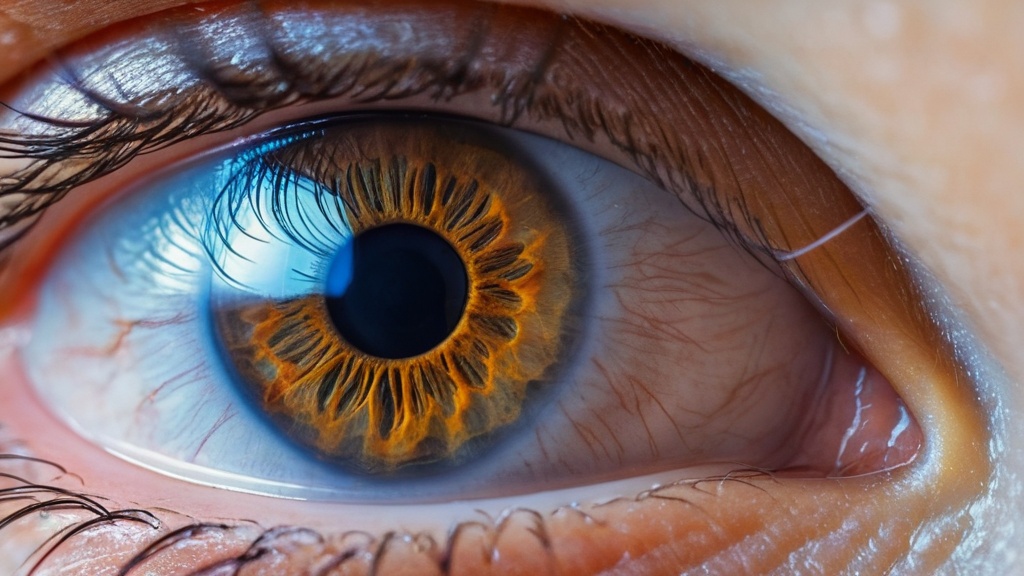
Did you know diabetes can impact your vision? Tiny blood vessels in your eyes are vulnerable. Understanding these risks helps you protect your sight. Let’s explore how diabetes can affect your eyes and what you can do.
Diabetes disrupts your body’s sugar regulation. High blood sugar damages blood vessels over time. This damage occurs throughout your body, including your eyes.
Your eyes have delicate blood vessels. These vessels supply essential nutrients. Diabetes weakens and clogs these vital pathways.
How Blood Sugar Impacts Vision
High blood sugar acts like a slow, corrosive acid. It gradually harms small blood vessels. This damage specifically affects the retina, the light-sensitive tissue at the back of your eye.
Damaged vessels can leak fluid or bleed. This leads to swelling and blurry vision. New, fragile vessels can also grow, which are prone to bleeding.
Diabetic Retinopathy Explained
Diabetic retinopathy is a major diabetes complication. It damages the tiny blood vessels in your retina. This is the most common cause of vision loss among working-age adults.
Early detection is key for this condition. Regular eye exams can spot changes before vision loss occurs. Ignoring symptoms can lead to irreversible damage.
Stages of Diabetic Retinopathy
Diabetic retinopathy progresses in stages. It starts subtly, often with no symptoms. Understanding these stages empowers you to act.
Non-Proliferative Diabetic Retinopathy (NPDR)
This is the early stage of the disease. Small blood vessels in the retina weaken. They can bulge, forming microaneurysms.
Fluid and blood may leak into the retina. This causes retinal swelling, known as macular edema. Mild NPDR often has no noticeable vision problems.
Proliferative Diabetic Retinopathy (PDR)
This is the advanced stage of retinopathy. Your retina starts to grow new, abnormal blood vessels. These vessels are fragile and easily bleed.
Bleeding into the vitreous humor (the gel filling your eye) causes sudden vision loss. Scar tissue can also form, pulling on the retina. This can lead to retinal detachment, a serious condition.
Macular Edema: A Closer Look
Macular edema is swelling in the macula. The macula is the central part of your retina. It’s responsible for sharp, detailed vision.
Leaking fluid from damaged vessels causes this swelling. This makes straight lines appear wavy. Reading and recognizing faces become difficult.
Early Detection and Advanced Imaging
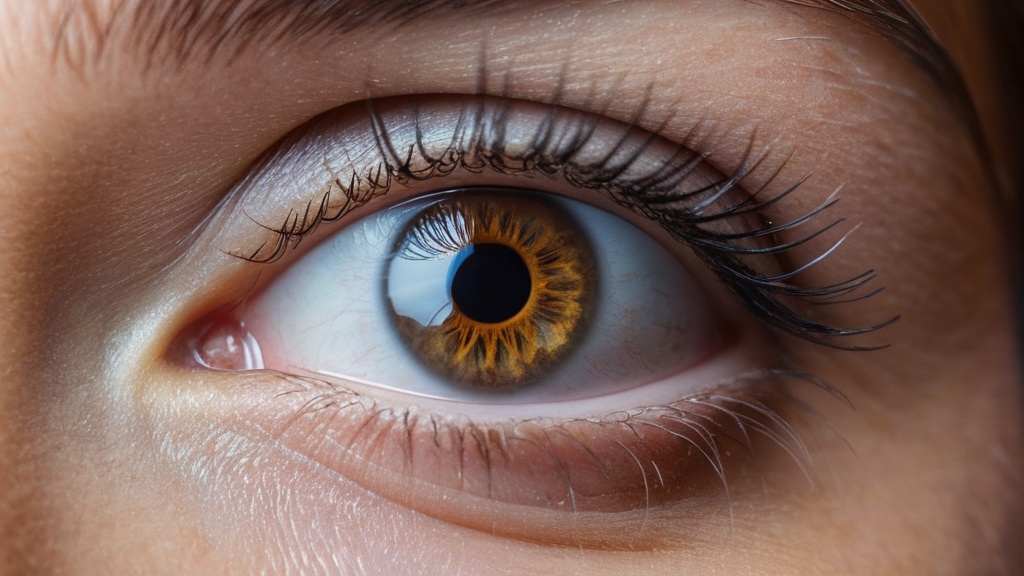
Early detection is paramount for preserving sight. Advanced imaging techniques help doctors see damage. They can intervene before significant vision loss.
A recent University of Miami study highlights this. Researchers used new imaging to detect early leakage. This leakage happens before vision noticeably declines.
Dual-Fluorescence Angiography
This advanced imaging technique uses special dyes. These dyes highlight blood vessels in the retina. Doctors can observe fluid leakage directly.
This allows for intervention when damage is minimal. It’s like finding a small leak before it becomes a flood.
The Role of Anti-VEGF Therapy
Anti-VEGF therapy targets specific proteins. These proteins promote abnormal blood vessel growth and leakage. Aflibercept is an example of an anti-VEGF medication.
These injections reduce leakage and swelling. They can restore retinal function. This treatment is a game-changer for many.
Managing Your Risk Factors
Managing diabetes effectively is vital for eye health. Strict blood sugar control is your best defense. It slows or prevents eye damage.
Lifestyle choices play a significant role. Small, consistent efforts make a big difference. You are in control of many risk factors.
Blood Sugar Control
Keep your blood sugar levels as close to normal as possible. This is the single most important action. Work with your doctor to set target ranges.
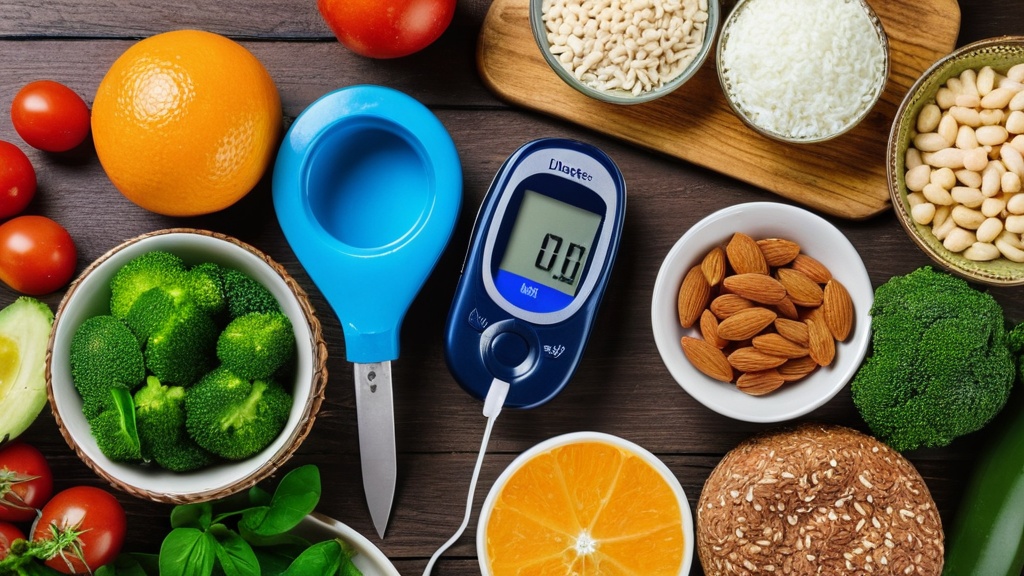
Regularly monitor your blood sugar. Understand how food and activity affect your levels. This knowledge empowers you.
Blood Pressure and Cholesterol
High blood pressure damages blood vessels further. Keep your blood pressure in a healthy range. Medications can help if diet and exercise aren’t enough.
High cholesterol also contributes to vessel damage. Manage your cholesterol through diet and medication. These are interconnected health concerns.
Lifestyle Choices
A balanced diet supports overall health. Choose whole foods, fruits, and vegetables. Limit processed foods and sugary drinks.
Regular physical activity improves circulation. It also helps manage blood sugar and blood pressure. Aim for at least 30 minutes most days.
Smoking dramatically increases your risk. It constricts blood vessels and worsens damage. Quitting smoking is one of the best things you can do.
Innovative Treatments and Medications
| Eye Issue | Description | Prevalence in Diabetics | Symptoms | Risk Factors | Treatment Options |
|---|---|---|---|---|---|
| Diabetic Retinopathy | Damage to blood vessels in the retina caused by high blood sugar levels. | Approximately 35% of people with diabetes | Blurred vision, floaters, dark spots, vision loss | Duration of diabetes, poor blood sugar control, high blood pressure | Laser therapy, anti-VEGF injections, vitrectomy |
| Diabetic Macular Edema (DME) | Swelling in the macula due to leaking blood vessels. | About 7% of diabetics | Blurred or wavy central vision | Diabetic retinopathy, high blood sugar levels | Anti-VEGF injections, corticosteroids, laser treatment |
| Cataracts | Clouding of the eye’s lens leading to decreased vision. | Occurs earlier and more frequently in diabetics | Cloudy or blurry vision, glare, difficulty seeing at night | High blood sugar, aging, smoking | Surgical removal and lens replacement |
| Glaucoma | Increased pressure in the eye causing optic nerve damage. | Twice as common in diabetics compared to non-diabetics | Loss of peripheral vision, eye pain, redness | High blood sugar, family history, age | Eye drops, laser therapy, surgery |
Medical science continually develops new tools. These treatments offer hope and improved outcomes. Discuss these options with your doctor.
New medications are emerging. They not only manage diabetes but also protect your eyes. Staying informed is important.
Tirzepatide (Mounjaro/Zepbound)
Tirzepatide is a significant advancement. This medication helps manage blood sugar and weight. It also shows promise in protecting eyes.
A Weill Cornell study found lower diabetic retinopathy progression. Patients on tirzepatide had fewer eye injections/lasers. This is a multi-faceted benefit.
GLP-1 Agonists: A Double-Edged Sword
GLP-1 agonists like semaglutide help control blood sugar. However, some may temporarily worsen retinopathy. Rapid glucose drops can sometimes trigger this.
Tirzepatide, also a GLP-1/GIP receptor agonist, shows protective effects. Doctors monitor patients carefully when starting these medications. Discuss risks and benefits with your prescribing physician.
Metformin and AMD Risk
Metformin is a common diabetes medication. A five-year study linked it to lower AMD risk. It reduced intermediate age-related macular degeneration by 37%.
Intermediate AMD is a precursor to severe vision loss. This finding offers another potential benefit of metformin.
Resources and Preventative Care
Knowledge is your superpower. Prevent Blindness offers excellent resources. They provide free materials in English and Spanish.
These resources explain diabetic retinopathy clearly. They empower individuals to take action. Early action protects your vision.
Regular Eye Exams
Annual dilated eye exams are non-negotiable. An eye care professional uses drops to widen your pupils. This allows a clear view of your retina.
They can detect subtle changes. This includes microaneurysms or new blood vessel growth. Early detection means earlier treatment.
Knowing Your Risk
Diabetic retinopathy affects many. One in four U.S. adults 40+ with diabetes has it. Rates are higher in Black and Hispanic communities.
Understanding your personal risk helps. Share your family history with your doctor. Discuss any changes you notice in your vision.
What to Watch For
Don’t wait for pain. Diabetic eye disease often has no early symptoms. That’s why regular exams are critical.
However, be alert for changes. Blurry vision, spots, or sudden vision loss. Contact your eye doctor immediately if these occur.
Empowering Yourself
You are your best advocate. Ask questions during your medical appointments. Understand your treatment plan thoroughly.
Take advantage of educational materials. Learn about diet, exercise, and medication adherence. Every step helps protect your precious sight.
Remember, protecting your vision is a partnership. Your commitment combined with your healthcare team’s expertise. Together, you can keep your eyes healthy.
FAQs
What are common eye problems associated with diabetes?
People with diabetes are at risk for several eye issues, including diabetic retinopathy, diabetic macular edema, cataracts, and glaucoma. These conditions can lead to vision impairment or blindness if not properly managed.
How does diabetes cause eye damage?
High blood sugar levels can damage the blood vessels in the retina, leading to diabetic retinopathy. Over time, this damage can cause blood vessels to leak or close off, impairing vision. Diabetes can also increase the risk of cataracts and glaucoma.
What symptoms indicate diabetes-related eye problems?
Symptoms may include blurred vision, floaters, dark spots, difficulty seeing at night, and sudden vision loss. However, early stages of diabetic eye disease often have no symptoms, making regular eye exams important.
How can diabetic eye issues be prevented or managed?
Maintaining good blood sugar control, managing blood pressure and cholesterol, quitting smoking, and having regular comprehensive eye exams can help prevent or slow the progression of diabetic eye diseases.
What treatments are available for diabetic eye conditions?
Treatment options depend on the specific condition and severity but may include laser therapy, injections of medications into the eye, vitrectomy surgery, and managing underlying diabetes effectively to prevent further damage.