Recognizing Common Diabetes Symptoms

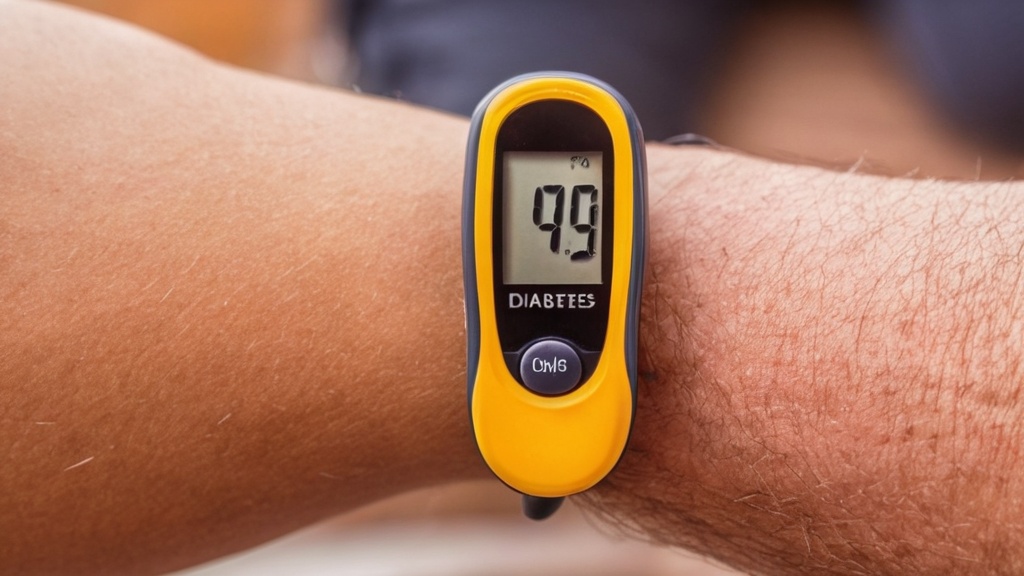
Diabetes is a chronic metabolic disorder characterized by elevated blood glucose levels resulting from impaired glucose processing. Two primary classifications exist: Type 1 and Type 2 diabetes. Type 1 diabetes occurs when the pancreas fails to produce insulin, the hormone responsible for facilitating glucose uptake by cells.
Type 2 diabetes develops when cells become resistant to insulin or the pancreas produces insufficient quantities. The Centers for Disease Control and Prevention (CDC) reports that more than 37 million Americans currently have diabetes, establishing it as a major public health issue. Effective diabetes management requires regular blood glucose monitoring, adherence to a balanced nutritional plan, and consistent physical exercise.
Evidence demonstrates that lifestyle modifications can stabilize blood glucose levels and minimize disease-related complications. Dietary adjustments, such as increasing whole grain and vegetable consumption, contribute to improved metabolic health and enhanced diabetes control.
Key Takeaways
- Diabetes symptoms include unexplained weight loss, constant hunger, and excessive thirst.
- Frequent urination and fatigue are common early warning signs.
- Blurred vision, slow healing wounds, and numbness in extremities indicate progressing diabetes.
- Recurring infections and skin changes can signal underlying blood sugar issues.
- Recognizing these symptoms early in children is crucial for timely diagnosis and management.
Unexplained Weight Loss
Unexplained weight loss can be one of the first signs of diabetes, particularly in Type 1. When the body cannot use glucose for energy, it starts breaking down fat and muscle instead. This process can lead to significant weight loss, even if you are eating normally.
Imagine someone who has always maintained a stable weight suddenly dropping pounds without changing their diet or exercise routine. This could be a red flag. In Type 2 diabetes, weight loss may occur as well, but it is often less dramatic.
Some individuals may notice their clothes fitting differently or their scale showing lower numbers. If you experience sudden weight loss without trying, it’s essential to consult a healthcare professional for further evaluation.
Constant Hunger and Thirst

People with diabetes often experience constant hunger and thirst. When blood sugar levels are high, the body struggles to use glucose for energy. As a result, you may feel hungry even after eating.
Picture someone who just finished a meal but still feels the urge to snack shortly after. This sensation can be frustrating and confusing. Increased thirst occurs because high blood sugar levels lead to dehydration.
The kidneys work overtime to filter out excess glucose, which can cause frequent urination and fluid loss. If you find yourself reaching for water more often than usual, it might be time to check your blood sugar levels.
Frequent Urination
Frequent urination is another common symptom of diabetes. When blood sugar levels rise, the kidneys filter out excess glucose into the urine. This process requires more water, leading to increased urination.
Imagine waking up multiple times during the night to use the bathroom; this can disrupt sleep and affect daily life. This symptom can also lead to dehydration, which exacerbates feelings of thirst. If you notice that you are visiting the restroom more often than usual, especially at night, it’s important to discuss this with your healthcare provider.
They can help determine if diabetes or another condition is the cause.
Fatigue and Irritability
| Symptom | Description | Commonality | Possible Cause |
|---|---|---|---|
| Frequent urination | Increased need to urinate more often than usual | Very common | High blood sugar levels causing kidneys to work harder |
| Excessive thirst | Feeling very thirsty even after drinking fluids | Very common | Dehydration due to frequent urination |
| Increased hunger | Feeling hungry more often or intensely | Common | Body cells not getting enough glucose |
| Fatigue | Feeling unusually tired or weak | Common | Body unable to use glucose for energy effectively |
| Blurred vision | Difficulty seeing clearly | Common | High blood sugar causing fluid changes in the eyes |
| Slow healing wounds | Cuts or sores that take longer to heal | Less common | Poor blood circulation and immune response |
| Unexplained weight loss | Losing weight without trying | Less common | Body breaking down muscle and fat for energy |
| Numbness or tingling | Sensation of pins and needles, especially in hands or feet | Less common | Nerve damage from high blood sugar |
Fatigue is a common complaint among people with diabetes. When your body cannot effectively use glucose for energy, you may feel tired and sluggish. This fatigue can affect your ability to concentrate and perform daily tasks.
For example, you might find it challenging to focus at work or keep up with family activities. Irritability often accompanies fatigue. Low energy levels can lead to mood swings and frustration.
If you notice that you are feeling more irritable than usual, consider whether your energy levels are contributing to this change in mood. Addressing blood sugar management may help improve both energy and mood.
Blurred Vision

Blurred vision can occur when high blood sugar levels affect the lenses of your eyes. When glucose levels fluctuate, the lenses may swell, leading to temporary changes in vision. Imagine trying to read a book but finding the words blurry and hard to focus on; this can be disorienting and concerning.
If left untreated, prolonged high blood sugar can lead to more serious eye conditions, such as diabetic retinopathy. Regular eye exams are crucial for those with diabetes to monitor any changes in vision and address them promptly. If you experience sudden changes in your eyesight, consult an eye care professional.
Slow Healing Wounds
People with diabetes may notice that cuts and wounds take longer to heal than usual. High blood sugar levels can impair circulation and reduce the body’s ability to fight infections. For instance, a small cut on your finger might become red and swollen instead of healing quickly as it normally would.
Keeping wounds clean and monitoring them for signs of infection is essential for anyone with diabetes. If you notice that a wound isn’t healing or shows signs of infection, seek medical advice promptly.
Numbness or Tingling in Hands and Feet
Numbness or tingling in the hands and feet is known as peripheral neuropathy, a common complication of diabetes. High blood sugar levels can damage nerves over time, leading to these sensations. Imagine sitting in a position for too long and feeling your foot “fall asleep.” This feeling can become chronic for those with diabetes.
If you experience persistent numbness or tingling, it’s important to discuss this with your healthcare provider. Early intervention can help manage symptoms and prevent further nerve damage. Simple lifestyle changes, such as controlling blood sugar levels and maintaining a healthy diet, can also help alleviate these symptoms.
Recurring Infections
Individuals with diabetes may find themselves more susceptible to infections. High blood sugar levels can weaken the immune system, making it harder for the body to fight off illnesses. For example, you might notice that a minor cold lingers longer than usual or that skin infections occur more frequently.
Common areas for infections include the skin, urinary tract, and gums. If you find yourself battling recurrent infections, it’s essential to consult with a healthcare professional. They can help identify underlying issues related to diabetes management and suggest appropriate treatments.
Skin Changes
Skin changes can also signal diabetes or its complications. People with diabetes may experience dry skin, itching, or dark patches known as acanthosis nigricans. These changes occur due to poor circulation or insulin resistance affecting skin health.
Imagine noticing dry patches on your elbows or knees that don’t seem to improve with lotion; this could be a sign of an underlying issue. Maintaining proper skin care is crucial for those with diabetes. Keeping skin moisturized and protected from injury can help prevent complications.
If you notice significant changes in your skin or persistent dryness, consider discussing these concerns with your healthcare provider.
Recognizing the Symptoms in Children
Recognizing diabetes symptoms in children can be challenging but crucial for early intervention.
For instance, if a child suddenly starts wetting the bed after being dry for years, this could indicate an issue.
Parents should also watch for signs of fatigue or irritability in their children. If a child seems unusually tired or moody without an apparent reason, it’s worth investigating further. Early diagnosis and management of diabetes in children can significantly improve their quality of life and reduce long-term complications.
In conclusion, understanding the symptoms of diabetes is essential for early detection and management of this chronic condition. By recognizing these signs—such as unexplained weight loss, constant hunger and thirst, frequent urination, fatigue, blurred vision, slow healing wounds, numbness in extremities, recurring infections, skin changes, and symptoms in children—you can take proactive steps toward better health. If you or someone you know experiences these symptoms, consulting a healthcare professional is vital for proper evaluation and care.
FAQs
What are the common symptoms of diabetes?
Common symptoms of diabetes include increased thirst, frequent urination, extreme hunger, unexplained weight loss, fatigue, blurred vision, slow-healing sores, and frequent infections.
How can I tell if I have diabetes symptoms?
If you experience persistent symptoms such as excessive thirst, frequent urination, unexplained weight loss, or fatigue, it is important to consult a healthcare professional for proper testing and diagnosis.
Are diabetes symptoms the same for type 1 and type 2 diabetes?
Many symptoms overlap between type 1 and type 2 diabetes, such as increased thirst and frequent urination. However, type 1 diabetes symptoms often develop rapidly, while type 2 symptoms may develop more gradually and can sometimes be mild or absent initially.
Can diabetes symptoms appear suddenly?
Yes, symptoms of type 1 diabetes can appear suddenly and progress quickly. Type 2 diabetes symptoms usually develop more slowly over time.
What should I do if I notice symptoms of diabetes?
If you notice symptoms suggestive of diabetes, you should see a healthcare provider promptly for blood tests to confirm the diagnosis and to begin appropriate management.
Can diabetes symptoms be mistaken for other conditions?
Yes, symptoms like fatigue and frequent urination can be caused by other medical conditions. Proper medical evaluation is necessary to determine the cause.
Are there symptoms of diabetes in children?
Yes, children with diabetes may show symptoms such as increased thirst, frequent urination, weight loss, fatigue, and irritability. Early diagnosis and treatment are important.
Can lifestyle changes affect diabetes symptoms?
Yes, lifestyle changes such as a healthy diet, regular exercise, and maintaining a healthy weight can help manage or reduce symptoms, especially in type 2 diabetes.
Is blurred vision a symptom of diabetes?
Yes, blurred vision can occur due to high blood sugar levels affecting the lenses of the eyes and is a common symptom of diabetes.
When should I seek emergency care for diabetes symptoms?
Seek emergency care if you experience symptoms such as difficulty breathing, severe abdominal pain, confusion, or loss of consciousness, as these may indicate diabetic ketoacidosis or other serious complications.