Managing Gestational Diabetes: Tips for a Healthy Pregnancy


Gestational diabetes occurs during pregnancy when the body cannot produce enough insulin. This condition typically develops in the second or third trimester. Hormonal changes during pregnancy can lead to insulin resistance, making it difficult for the body to regulate blood sugar levels effectively. According to the Centers for Disease Control and Prevention (CDC), about 6-9% of pregnant women in the United States are diagnosed with gestational diabetes.
Women at higher risk include those with a family history of diabetes, obesity, or previous gestational diabetes. Symptoms often go unnoticed, as many women do not experience any noticeable signs. However, some may feel excessively thirsty or fatigued. Regular screening during pregnancy helps identify those at risk and ensures timely management.
Key Takeaways
- Gestational diabetes requires careful blood sugar monitoring to protect both mother and baby.
- Balanced nutrition and regular exercise are key to managing gestational diabetes effectively.
- Close collaboration with healthcare providers ensures proper fetal growth and reduces complications.
- Managing stress and emotional health is important for overall well-being during pregnancy.
- Postpartum care includes continued monitoring to prevent future diabetes and support recovery.
Importance of Monitoring Blood Sugar Levels
Monitoring blood sugar levels is crucial for managing gestational diabetes. Keeping blood sugar within target ranges helps protect both mother and baby. High blood sugar can lead to complications such as excessive fetal growth, which may result in delivery challenges.
Women with gestational diabetes should check their blood sugar levels several times a day. This typically includes testing fasting levels in the morning and after meals. For example, a woman might check her blood sugar before breakfast and two hours after eating lunch. Keeping a log of these readings can help identify patterns and inform dietary choices.
Creating a Balanced Meal Plan

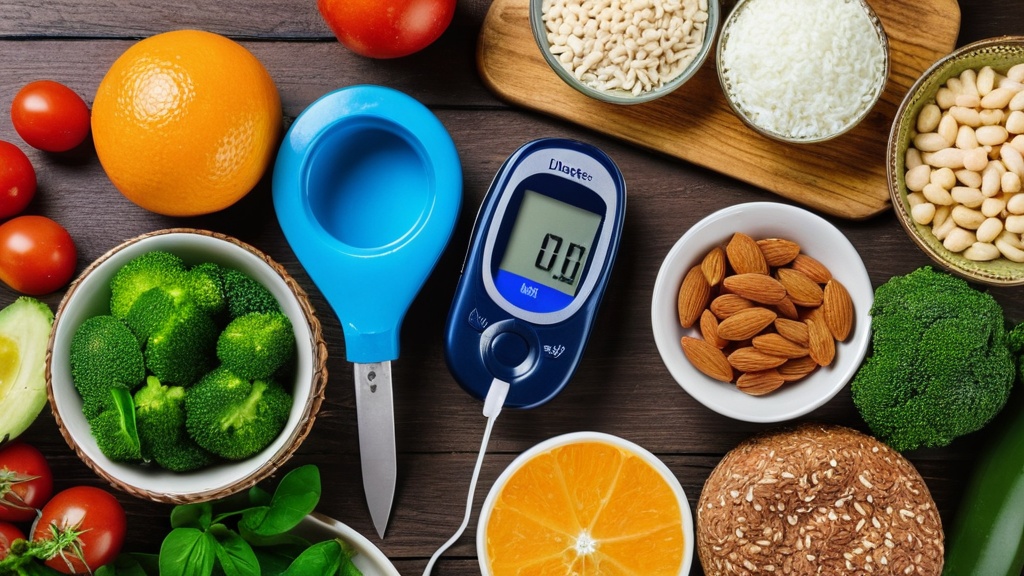
A balanced meal plan is essential for managing gestational diabetes. Focus on whole foods that provide nutrients without causing spikes in blood sugar. Incorporate plenty of vegetables, lean proteins, whole grains, and healthy fats into daily meals.
For instance, a typical meal might include grilled chicken, quinoa, and steamed broccoli. This combination offers protein, fiber, and complex carbohydrates, which help maintain stable blood sugar levels. Additionally, consider smaller, more frequent meals throughout the day to avoid large fluctuations in blood sugar.
Incorporating Regular Physical Activity

Regular physical activity plays a vital role in managing gestational diabetes. Exercise helps improve insulin sensitivity and can lower blood sugar levels. Aim for at least 150 minutes of moderate-intensity exercise each week, as recommended by the American College of Obstetricians and Gynecologists (ACOG).
Activities like walking, swimming, or prenatal yoga can be beneficial. For example, a brisk 30-minute walk after meals can help lower post-meal blood sugar levels. Always consult with a healthcare provider before starting any new exercise routine to ensure safety during pregnancy.
Managing Weight Gain
| Metric | Value | Notes |
|---|---|---|
| Prevalence | 2-10% | Varies by population and diagnostic criteria |
| Screening Time | 24-28 weeks gestation | Standard time for glucose tolerance testing |
| Risk Factors | Obesity, advanced maternal age, family history of diabetes | Increases likelihood of developing gestational diabetes |
| Diagnostic Test | Oral Glucose Tolerance Test (OGTT) | 75g or 100g glucose load depending on guidelines |
| Fasting Plasma Glucose Threshold | ≥ 92 mg/dL (5.1 mmol/L) | One of the criteria for diagnosis |
| Postprandial Glucose Threshold (1 hour) | ≥ 180 mg/dL (10.0 mmol/L) | Used in some diagnostic criteria |
| Postprandial Glucose Threshold (2 hour) | ≥ 153 mg/dL (8.5 mmol/L) | Common diagnostic cutoff |
| Maternal Complications | Pre-eclampsia, cesarean delivery | Increased risk with gestational diabetes |
| Fetal Complications | Macrosomia, neonatal hypoglycemia | Can lead to delivery complications |
| Postpartum Risk | 35-60% develop type 2 diabetes within 10 years | Importance of follow-up screening |
Managing weight gain during pregnancy is important for women with gestational diabetes. Gaining too much weight can increase the risk of complications for both mother and baby. The recommended weight gain varies based on pre-pregnancy weight and overall health.
A healthcare provider can help set personalized weight gain goals. For instance, a woman with a normal pre-pregnancy weight may aim to gain 25-35 pounds during pregnancy. Focus on healthy eating and regular physical activity to achieve these goals while ensuring proper nutrition for both mother and baby.
Monitoring Fetal Growth and Development
Monitoring fetal growth and development is essential for women with gestational diabetes. High blood sugar levels can lead to excessive fetal growth, known as macrosomia. This condition increases the risk of complications during delivery.
Healthcare providers often use ultrasounds to track fetal growth throughout pregnancy. Regular check-ups help ensure that the baby is developing appropriately. If any concerns arise, healthcare providers may recommend additional monitoring or interventions to support healthy outcomes.
Working Closely with Healthcare Providers
Collaboration with healthcare providers is crucial for managing gestational diabetes effectively. Regular appointments allow for ongoing assessment of blood sugar levels, weight gain, and fetal development. Providers can offer personalized advice based on individual circumstances.
Women should feel empowered to ask questions and express concerns during appointments. For example, if a woman struggles with meal planning or exercise, her provider can offer tailored resources or referrals to dietitians or diabetes educators. Building a strong support network enhances overall management and well-being.
Managing Stress and Emotional Well-being
Managing stress and emotional well-being is vital for women with gestational diabetes. Pregnancy can be an emotional rollercoaster, and added concerns about diabetes may heighten anxiety. Stress can negatively impact blood sugar levels, making it essential to find effective coping strategies.
Consider incorporating relaxation techniques such as deep breathing exercises or mindfulness meditation into daily routines. Engaging in enjoyable activities like reading or spending time with loved ones can also help reduce stress levels.
Remember that seeking support from friends, family, or mental health professionals is always an option.
Potential Risks and Complications
Gestational diabetes can lead to several risks and complications if not managed properly.
High blood sugar levels may result in preeclampsia, a serious condition characterized by high blood pressure during pregnancy.
Additionally, babies born to mothers with uncontrolled gestational diabetes may face health issues such as low blood sugar after birth or respiratory distress.
Long-term risks also exist for both mother and child. Women who have had gestational diabetes are at higher risk of developing type 2 diabetes later in life. Children may also face an increased risk of obesity and metabolic disorders as they grow older.
Medication and Insulin Management
In some cases, lifestyle changes alone may not be enough to manage gestational diabetes effectively. Healthcare providers may prescribe medication or insulin therapy to help control blood sugar levels. This approach ensures that both mother and baby remain healthy throughout pregnancy.
If medication is necessary, healthcare providers will guide women on proper usage and monitoring techniques. For example, some women may need to take oral medications while others may require insulin injections. Understanding how these medications work can empower women to manage their condition confidently.
Postpartum Care and Continued Monitoring
Postpartum care is essential for women who have experienced gestational diabetes. Blood sugar levels should be monitored closely after delivery, as some women may continue to experience elevated levels. A follow-up glucose tolerance test is typically recommended within 6-12 weeks postpartum.
Continued monitoring helps identify any potential development of type 2 diabetes. Women should also focus on maintaining a healthy lifestyle after childbirth to reduce their risk of future health issues. This includes following a balanced diet, engaging in regular physical activity, and attending routine check-ups with healthcare providers.
In conclusion, understanding and managing gestational diabetes involves multiple components, from monitoring blood sugar levels to creating a balanced meal plan and maintaining emotional well-being. By working closely with healthcare providers and implementing healthy lifestyle changes, women can navigate this condition successfully while ensuring the health of both themselves and their babies.
FAQs
What is gestational diabetes?
Gestational diabetes is a type of diabetes that develops during pregnancy. It causes high blood sugar levels that can affect the health of both the mother and the baby if not properly managed.
What causes gestational diabetes?
Gestational diabetes occurs when the body cannot produce enough insulin during pregnancy. Hormonal changes can make the body’s cells less responsive to insulin, leading to elevated blood sugar levels.
How is gestational diabetes diagnosed?
Gestational diabetes is typically diagnosed through glucose screening tests, such as the oral glucose tolerance test (OGTT), usually performed between the 24th and 28th weeks of pregnancy.
What are the risks associated with gestational diabetes?
If untreated, gestational diabetes can increase the risk of high birth weight, premature birth, respiratory distress syndrome, and the need for cesarean delivery. It also raises the mother’s risk of developing type 2 diabetes later in life.
How is gestational diabetes managed?
Management includes monitoring blood sugar levels, following a healthy diet, engaging in regular physical activity, and sometimes taking insulin or other medications as prescribed by a healthcare provider. Regular prenatal checkups are essential to ensure the health of both mother and baby.