Managing Diabetes While Eating Out


Dining out can be a joyful experience. But for individuals managing diabetes, a restaurant meal sometimes brings questions. How can you enjoy the food and still stay on track? It is simpler than you think.
Planning for Success
A little preparation goes a long way. Before you even leave home, you can set yourself up for a good experience. This proactive approach helps you make informed choices.
Research the Menu Ahead
Most restaurants post menus online. Take a few minutes to browse. Look for dishes that fit your dietary needs. This avoids last-minute stress at the table.
Consider your carbohydrate goals. For instance, if you aim for 50g of carbs per meal, identify options that align. You might find a grilled chicken salad. Or perhaps a lean protein with steamed vegetables.
Call Ahead with Questions
Don’t hesitate to call the restaurant. Ask about preparation methods. You can inquire about ingredient substitutions. For example, ask if a dish can be prepared with less oil.
This step is especially helpful for special requests. They can often accommodate dietary needs. Many restaurants are happy to help.
Making Smart Choices at the Restaurant
Once you are at the restaurant, keep your goals in mind. You have many options for healthy enjoyment. Focus on balanced choices.
Navigate the Appetizer Menu
Appetizers can be tricky. Many are high in calories and carbs. Choose wisely to avoid starting with a caloric overload.
Fresh salads are often excellent choices. Ask for dressing on the side. Avoid creamy or fried appetizers. A small portion of hummus and vegetables can also be good.
Select Your Main Course Wisely
Your main dish is the star of the meal. Focus on lean proteins. Think grilled fish, chicken, or tofu. These provide satisfaction without excessive carbs.
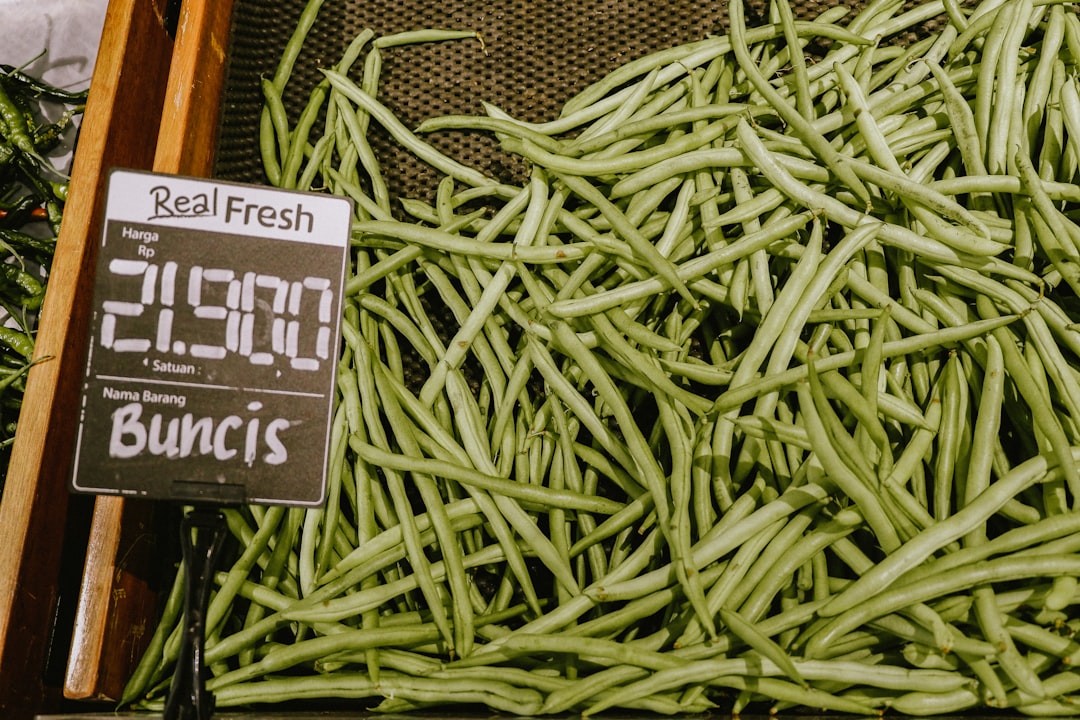
Pair your protein with non-starchy vegetables. Steamed broccoli or green beans are great choices. You can often swap starchy sides. Ask for extra vegetables instead of fries.
Riverside Diabetes Services highlights these strategies. They encourage healthy substitutions. This helps manage carbs and sodium.
Be Mindful of Portion Sizes
Restaurant portions are often large. They can be double or triple a standard serving. Ask for a to-go box when your meal arrives.
Immediately put half of your meal in the box. This helps you control how much you eat. You can enjoy the rest later.
Understanding Carbohydrates and Other Nutrients
Carbohydrates are a key focus for diabetes management. But other nutrients matter too. Sodium and fats also play important roles.
Consistent Carbohydrate Intake
Strive for consistent carbohydrate intake. This helps maintain stable blood sugar. Aim to match your daily carbohdyrate goals at each meal.
If your daily goal is 50g per meal, select dishes within that range. This might mean choosing herb-crusted salmon over miso salmon. Miso often contains added sugars.
Managing Sodium Levels
Many restaurant meals are high in sodium. Excessive sodium can impact blood pressure. Ask for dishes prepared with less salt.
Choose fresh, whole foods. Avoid highly processed or fried items. These tend to be loaded with sodium.
Fats and Their Impact
Healthy fats are important. But too much unhealthy fat can be problematic. Focus on sources like avocado or olive oil.
Ask for sauces and dressings on the side. This allows you to control the amount. Rich, creamy sauces often contain unhealthy fats.
Hydration and Beverages
What you drink is just as important as what you eat. Sugary drinks can quickly elevate blood glucose. Choose wisely for better control.
Stick to Water or Unsweetened Tea
Water is always the best choice. It has no calories or carbohydrates. Unsweetened tea is another excellent option.
Avoid sodas, fruit juices, and sweetened iced tea. These beverages can cause rapid blood sugar spikes. They offer little nutritional value.
Limit Alcoholic Beverages
If you choose to drink alcohol, do so in moderation. Alcohol can affect blood sugar. It can also interact with some diabetes medications.
Consult your doctor about safe alcohol consumption. Always drink with food. Choose lighter options like dry wine.
Ohio State’s Dining with Diabetes Program
Programs like Ohio State’s Dining with Diabetes offer invaluable support. They provide practical, hands-on strategies. This builds confidence in managing diabetes.
Individuals learn real-world meal strategies. These help navigate various dining situations. The program empowers participants.
Practical application of knowledge is key. It helps to translate nutritional information into everyday choices. This empowers individuals.
Holiday Dining and Special Occasions
Holidays and special events often involve unique dining challenges. With careful planning, you can still enjoy these occasions. Focus on making smart choices.
Prioritize Protein, Veggies, and Fats First
When faced with a buffet, start with protein, vegetables, and healthy fats. Fill your plate with these items first. This helps blunt carb spikes.
Lean proteins like turkey or ham are good options. Load up on non-starchy vegetables. A small amount of healthy fats helps with satiety.
Small Portions for Desserts
Desserts are often tempting during holidays. If you choose to have dessert, take a very small portion. Savor each bite slowly.
Consider sharing a dessert with someone. This helps reduce your intake. Remember, it’s about enjoyment, not deprivation.
Actionable Tips for Everyday Dining
These actionable tips can help you maintain control. They are safe and evidence-based. No personal medical advice is given here.
- Plan ahead: Research menus and call restaurants.
- Choose wisely: Select grilled proteins and non-starchy vegetables.
- Control portions: Use a to-go box for extra food.
- Stay hydrated: Drink water or unsweetened tea.
- Prioritize consistency: Maintain consistent carbohydrate intake.
Eating out with diabetes does not have to be stressful. With careful planning and smart choices, you can enjoy restaurant meals. Remember these strategies for a healthier dining experience. Your health and enjoyment can go hand-in-hand. Staying on track while dining out is achievable. It simply requires a mindful approach.
FAQs
What is diabetes?
Diabetes is a chronic condition that affects how your body processes blood sugar (glucose). There are two main types of diabetes: type 1 and type 2. Type 1 diabetes is an autoimmune condition where the body does not produce insulin, while type 2 diabetes occurs when the body does not use insulin properly.
How does eating out affect diabetes?
Eating out can present challenges for individuals with diabetes, as restaurant meals often contain hidden sugars, high levels of sodium, and large portion sizes. It can be difficult to control blood sugar levels when consuming restaurant meals that may not align with a diabetic diet.
What are some tips for eating out with diabetes?
Some tips for eating out with diabetes include researching the restaurant’s menu beforehand, choosing grilled or steamed dishes over fried options, asking for dressings and sauces on the side, and opting for water or unsweetened beverages. It’s also important to be mindful of portion sizes and to avoid overindulging in high-carbohydrate or high-sugar foods.
Are there specific types of restaurants that are better for individuals with diabetes?
Restaurants that offer customizable options, such as build-your-own salads or customizable stir-fry dishes, can be beneficial for individuals with diabetes. Additionally, restaurants that prioritize fresh, whole ingredients and offer nutritional information on their menus can also be helpful for those managing diabetes.
How can individuals with diabetes make healthier choices when eating out?
Individuals with diabetes can make healthier choices when eating out by prioritizing lean proteins, vegetables, and whole grains, while limiting their intake of refined carbohydrates, sugary beverages, and high-fat dishes. It’s also important to practice portion control and to be mindful of overall calorie and carbohydrate intake.