Delicious and Nutritious Diabetes Snacks

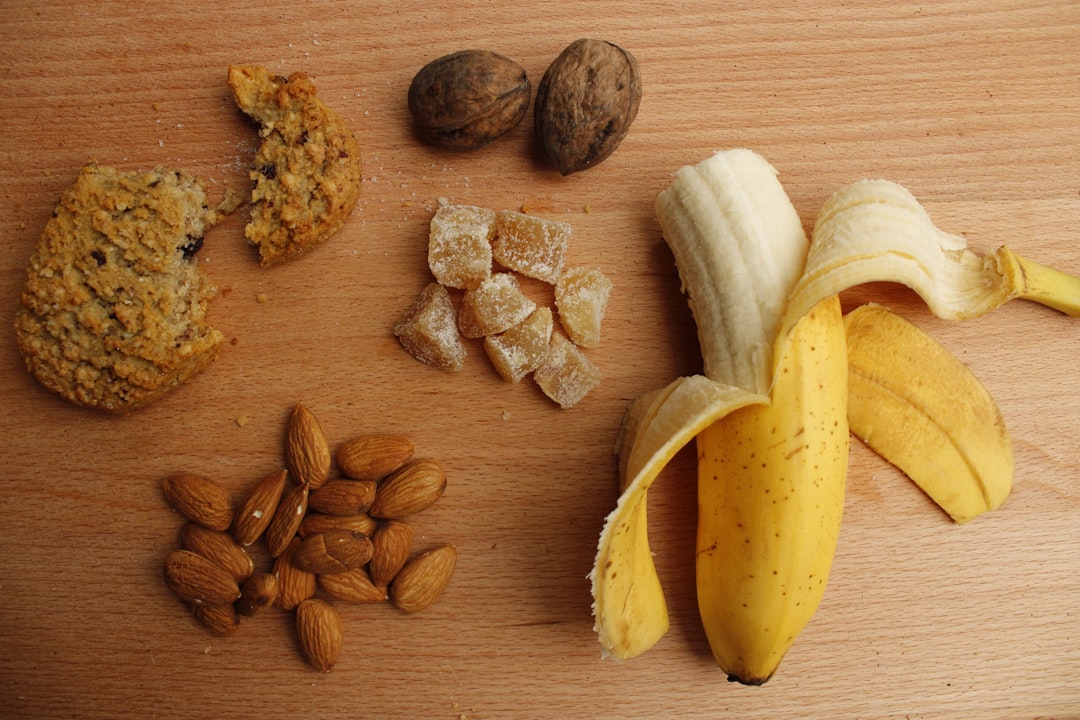
Managing diabetes means making smart food choices. Even snacks can help. Discover delicious options that keep your blood sugar steady. Enjoy satisfying bites without the worry.
Snacks are an important part of a diabetes meal plan. They help prevent large blood sugar spikes. They also keep you feeling full. Choosing the right snacks is key. They should offer nutrients and taste good.
The Power of Protein and Fiber
Protein and fiber are your allies. They slow down digestion. This helps release glucose slowly into your blood. This keeps your energy levels even. Think about snacks that combine these two elements.
Balancing Carbohydrates
Carbohydrates affect blood sugar the most. For snacks, aim for controlled portions. Balance them with protein and healthy fats. This minimises their impact.
Nutty Delights for Blood Sugar Control
Nuts are a dieter’s best friend. They pack a nutrient punch. They offer healthy fats and protein. They are also low in carbohydrates. A small handful can make a difference.
Almonds and Walnuts: Tiny Titans
Almonds and walnuts are excellent choices. A Canadian study showed benefits for diabetes patients. Eating about 60 grams daily helped manage blood sugar. This was when they replaced high-carb items. Stick to around 50 grams for healthy fats and protein. This is about 5-6 soaked almonds or 1-2 walnuts. This keeps calories in check.
Pistachios and Cashews: Flavorful and Filling
Pistachios and cashews also fit the bill. They provide essential nutrients. Their fiber and protein content is helpful. Enjoy them in moderation. They offer a satisfying crunch.
Trail Mix: A Nutty Blend
You can make your own healthy trail mix. Combine nuts with seeds like pumpkin or sunflower. This adds more fiber and nutrients. A small, 1-ounce handful is ideal. This stabilizes your blood sugar effectively. It offers protein and healthy fats.
Eggs: Protein Powerhouses
Hard-boiled eggs are nature’s perfect snack. They are packed with protein. Protein helps you feel full. It also contributes to stable blood sugar. Pair an egg with a small portion of whole grains. Think a few whole-grain crackers or a tiny bit of oatmeal. This makes it a more complete snack.
Simple Preparation
Boiling eggs is easy. You can prepare them ahead of time. Keep a few in the refrigerator. They are ready whenever hunger strikes. This makes healthy eating convenient.
Versatile Appetizer
Enjoy a hard-boiled egg on its own. You can also slice it onto a few whole-grain crackers. This adds a pleasant texture. It provides sustained energy.
Yogurt and Berries: A Probiotic Power Couple
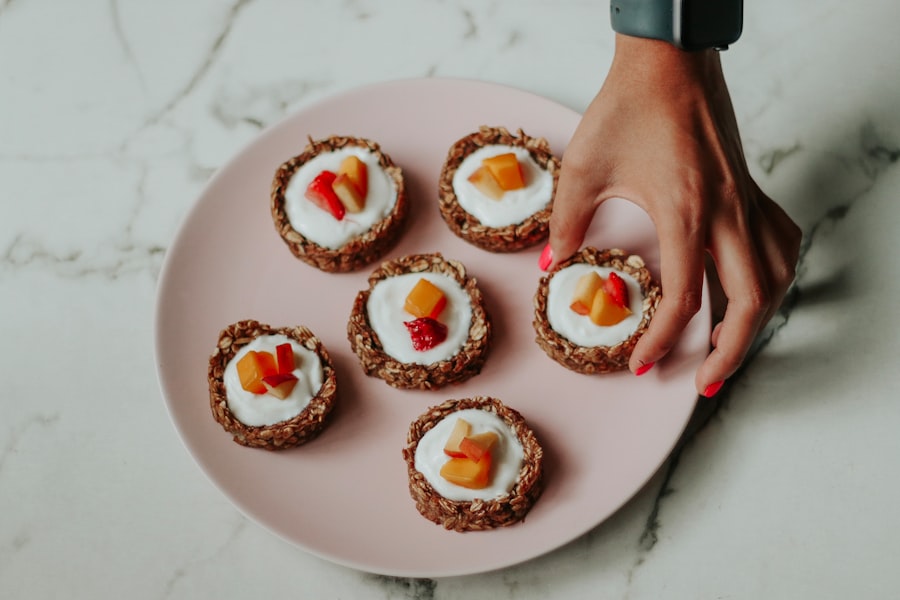
Yogurt, especially Greek yogurt, is a fantastic base. It is rich in protein. Berries add natural sweetness and fiber. Blueberries are a great choice. One cup provides about 3.6 grams of fiber. This combination can help lower the risk of type 2 diabetes. A typical serving has around 27 grams of carbohydrates. This is manageable for most individuals.
Greek Yogurt’s Benefits
Greek yogurt has more protein than regular yogurt. This increases satiety. It helps you feel full longer. This reduces the urge to overeat.
Berries: Nature’s Sweeteners
Berries like strawberries, raspberries, and blueberries are low in sugar. They are high in antioxidants. They add flavor without a sugar overload. Choose plain yogurt to avoid added sugars.
Veggie Power with Hummus
| Snack | Carbohydrates (g) | Protein (g) | Fat (g) | Calories |
|---|---|---|---|---|
| Apple slices with peanut butter | 15 | 7 | 14 | 200 |
| Greek yogurt with berries | 20 | 10 | 5 | 180 |
| Carrot sticks with hummus | 10 | 5 | 7 | 150 |
| String cheese | 1 | 7 | 6 | 80 |
Vegetables are low in calories and high in fiber. Pair them with hummus for extra benefits. Hummus adds protein and healthy fats. This further aids blood sugar management. A 2020 study showed positive results for glucose levels. This was even in people without diabetes.
Colorful Veggie Choices
Carrots, celery sticks, bell pepper strips, and cucumber slices work well. They provide crunch and freshness. Their natural sugars are minimal. This makes them ideal for snacking.
Hummus: A Healthy Dip
Hummus is made from chickpeas. It offers a creamy texture. It provides essential minerals too. Check nutrition labels for added sugars. A serving around 2-4 tablespoons is usually recommended. Recent updates rate veggie dips moderately effective. They contain about 3 grams of carbs per serving.
Edamame and Chickpeas: Crunchy and Satisfying
Roasted chickpeas and edamame are wonderful options. They offer plant-based protein. They are also rich in fiber. This combination is excellent for blood sugar control. They provide a satisfying, crunchy snack. This can replace less healthy, processed options.
Edamame: Green Goodness
Edamame is immature soybeans. You can buy them fresh or frozen. Steaming them is a simple preparation. A sprinkle of salt is all they need. They are a complete protein source.
Roasted Chickpeas: Crispy and Flavorful
Roast canned chickpeas until crispy. You can season them with spices like paprika or cumin. This makes them a delicious, savory snack. Their fiber content is high. This keeps you feeling full.
Cheese and Whole-Grain Crackers: A Classic Combo
Cottage cheese or a slice of cheese can be a good choice. They provide protein for fullness. Look for cheese options with fewer than 10 grams of carbs. Pair them with a few whole-grain crackers. This adds fiber and texture.
Cottage Cheese: Creamy and Filling
Cottage cheese is a protein powerhouse. It is also versatile. You can eat it plain. You can add a few berries or a tiny sprinkle of cinnamon. This makes a sweet treat.
Whole-Grain Crackers: Fiber Boost
Choose crackers made from 100% whole grains. Read the labels carefully. Opt for those with at least 3 grams of fiber per serving. This adds valuable fiber to your snack.
Apple or Celery with Nut Butter: A Balanced Bite
An apple or celery sticks with nut butter is a classic. It is a balanced snack. The fruit or vegetable provides fiber. Nut butter offers protein and healthy fats. This combination helps prevent blood sugar spikes.
Peanut Butter Power
Peanut butter is a popular choice. A small apple with one tablespoon of peanut butter is a good example. This snack is around 128 calories. It provides a good mix of nutrients. Choose natural peanut butter without added sugars or oils.
Other Nut Butters
Almond butter, cashew butter, or sunflower seed butter are also good options. They offer similar benefits. Try different combinations to find your favorite. This snack is quick to prepare. It is perfect for busy days.
Preparing for Success: Actionable Tips
Making smart snack choices is achievable. Plan ahead to avoid poor decisions. Keep healthy options readily available. This makes it easier to stay on track. Small changes can lead to big results.
Stock Your Kitchen Wisely
Keep nuts, seeds, yogurt, and fruits on hand. Have pre-portioned snacks ready to go. This helps when you are on the move. A little preparation goes a long way.
Read Nutrition Labels
Always check the nutrition facts panel. Look at serving sizes and carbohydrate content. Be aware of added sugars. This knowledge empowers your choices.
Listen to Your Body
Pay attention to how different snacks affect you. Some may cause your blood sugar to rise more than others. This helps you fine-tune your eating habits. The Baker Institute emphasizes balanced snacks. This approach supports overall well-being.
FAQs
What are some healthy snack options for people with diabetes?
Some healthy snack options for people with diabetes include nuts, seeds, Greek yogurt, vegetables with hummus, and fruit with nut butter.
How can snacks affect blood sugar levels in people with diabetes?
Snacks can affect blood sugar levels in people with diabetes by providing a source of carbohydrates, which can cause blood sugar levels to rise. It’s important for people with diabetes to choose snacks that are low in added sugars and high in fiber to help manage blood sugar levels.
Are there any snacks that people with diabetes should avoid?
People with diabetes should avoid snacks that are high in added sugars, refined carbohydrates, and unhealthy fats. This includes sugary drinks, candy, pastries, and fried snacks.
What are some tips for managing portion sizes when snacking with diabetes?
Some tips for managing portion sizes when snacking with diabetes include pre-portioning snacks into individual servings, reading nutrition labels to understand serving sizes, and using smaller plates or bowls to help control portion sizes.
How often should people with diabetes snack throughout the day?
The frequency of snacking for people with diabetes can vary depending on individual needs and preferences. Some people may benefit from having small, frequent snacks throughout the day to help manage blood sugar levels, while others may prefer larger, less frequent snacks. It’s important for individuals with diabetes to work with a healthcare professional to determine the best snacking approach for their specific needs.