Exploring Sugar Substitutes: A Guide to Sweetening Without the Guilt

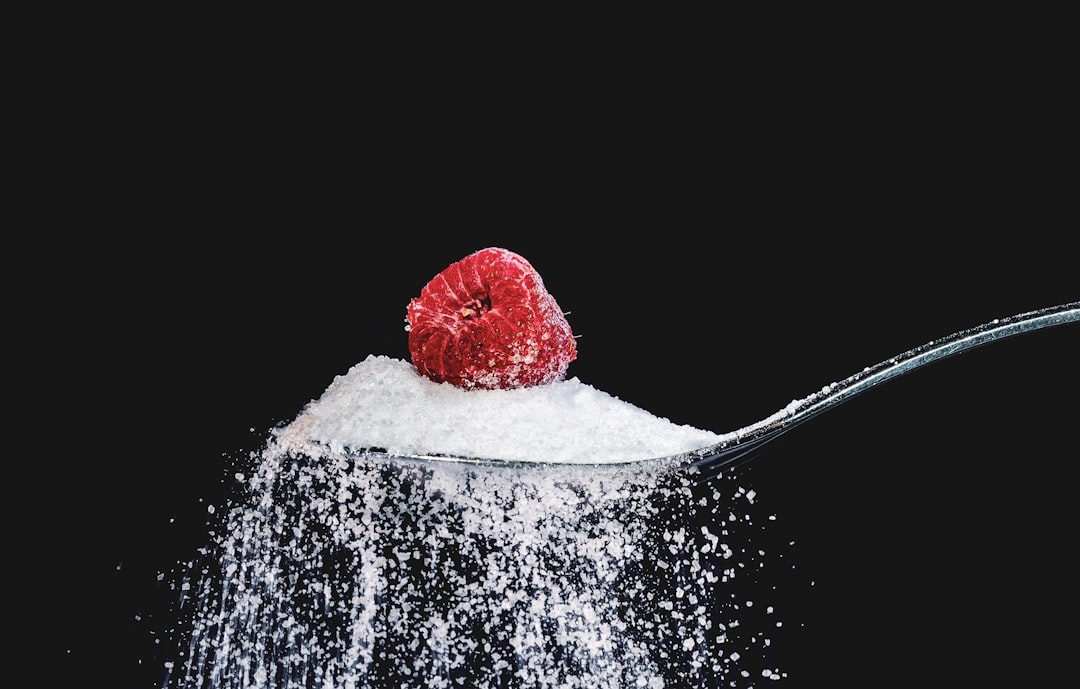
Craving something sweet but watching your sugar intake? You are not alone. Many people seek healthier ways to enjoy a treat. Sugar substitutes offer a promising solution.
Understanding Sugar Substitutes
Sugar substitutes are ingredients that provide a sweet taste. They deliver fewer calories than sugar or no calories at all. These alternatives come in various forms. They can be synthetic or derived from natural sources.
What Are They?
Sugar substitutes are compounds. They activate taste receptors on your tongue. This creates a perception of sweetness. They are often much sweeter than sugar. This means you need very little to achieve the desired effect.
Why Use Them?
People use sugar substitutes for many reasons. Managing blood sugar is one common goal. Weight management is another. They can also help reduce calorie intake. Dental health benefits are also observed.
Your Sweet Tooth and Health: Imagine wanting a cookie. A sugar substitute allows you to enjoy it. You do not get the blood sugar spike. This helps control calorie intake too.
Types of Sugar Substitutes
The world of sweeteners is diverse. You will find many options on store shelves. Each type has its own characteristics. Knowing these helps you choose wisely.
Artificial Sweeteners
These are synthetic compounds. Scientists create them in laboratories. They are much sweeter than sugar. Examples include sucralose and aspartame.
- Sucralose (Splenda): This sweetener is very popular. It is about 600 times sweeter than sugar. Your body does not metabolize it. Most passes through undigested.
- Aspartame (NutraSweet, Equal): Aspartame is common in diet sodas. It is about 200 times sweeter than sugar. It contains tiny amounts of calories. Your body breaks it down into amino acids.
Natural Sweeteners
These alternatives come from nature. They are often extracted from plants. Stevia and monk fruit are well-known examples.
- Stevia: This comes from the stevia plant leaf. It is 200-400 times sweeter than sugar. Stevia has zero calories. It does not raise blood sugar levels.
- Monk Fruit: Monk fruit extract is another natural option. It is 150-250 times sweeter than sugar. Monk fruit also has no calories. It is safe for most people.
Sugar Alcohols
Sugar alcohols are carbohydrates. Your body does not fully absorb them. They have fewer calories than sugar. Erythritol and xylitol are examples.
- Erythritol: This sugar alcohol has almost no calories. It is about 70% as sweet as sugar. Most people tolerate it well. It does not cause digestive upset easily.
- Xylitol: Xylitol is common in chewing gum. It helps with dental health. It has about 40% fewer calories than sugar. Eating too much can cause digestive issues.
Rare Sugars: The Rise of Tagatose
A fascinating new option is tagatose. It is a naturally occurring sugar. Scientists have made it more accessible now. This “rare sugar” offers unique advantages.
- What is Tagatose? Tagatose is found in small amounts. It exists in certain dairy products and fruits. It tastes very similar to sugar.
- Accessibility and Production: Tufts University scientists made a breakthrough. They developed a new production method. Engineered bacteria convert glucose to tagatose. This process reaches yields up to 95%. Traditional methods were much less efficient. This innovation significantly lowers production costs.
- Taste and Sweetness Profile: Tagatose delivers impressive sweetness. It offers roughly 92% of table sugar’s sweetness. This is very close to regular sugar.
- Calorie Content: It contains far fewer calories. Tagatose has approximately 60% fewer calories than sugar. This makes it an attractive choice.
- FDA Safety Status: The FDA considers tagatose safe. It is “generally recognized as safe” (GRAS). This allows its use in many consumer foods. You can find it in various products.
- Functional Advantages in Cooking: Unlike many substitutes, tagatose is a “bulk sweetener.” It replaces sugar’s sweetness and texture. It helps in cooking and baking. It also browns when heated, just like sugar. This is a huge benefit for bakers.
- Health Benefits of Tagatose: Tagatose has minimal impact on blood sugar. It does not cause spikes. It may also help your dental health. It limits bacteria contributing to tooth decay. Furthermore, it supports healthy gut bacteria. This promotes overall digestive wellness.
Baking with Tagatose: Imagine baking your favorite cake. You can use tagatose. It provides the same sweetness. It gives the same texture. You also get the browning effect. This makes it a truly versatile choice.
Safety and Regulations
The safety of sugar substitutes is a common concern. Regulatory bodies evaluate them carefully. They ensure these products are safe for consumption.
Regulatory Bodies
Organizations like the FDA play a critical role. They conduct extensive research. Each sweetener must meet strict safety standards. This process ensures consumer protection.
- FDA Approval: All approved sugar substitutes undergo rigorous testing. The FDA sets acceptable daily intake (ADI) levels. This is the maximum amount you can safely consume daily.
Common Concerns and Myths
Many myths surround sugar substitutes. It is important to rely on scientific evidence. These products are generally safe when consumed in moderation.
- Cancer Risk: Major health organizations confirm no link to cancer. Studies extensively review this topic. They find no credible evidence.
- Weight Gain: Some believe sweeteners cause weight gain. This is also largely a myth. They help reduce calorie intake. This can support weight loss.
Making Informed Choices: You might hear a rumor about a sweetener. Always check reliable sources. The FDA or WHO provide accurate information. They help you make sound decisions.
Integrating Sugar Substitutes into Your Diet
Adding sugar substitutes can be simple. Start small and observe how your body reacts. Find what you enjoy most.
Starting Small
Do not overhaul your diet all at once. Replace sugar in one or two items first. For example, use a sweetener in your coffee.
- Coffee and Tea: This is an easy first step. Try stevia or erythritol drops. See which one you prefer.
- Baking: Substitute half the sugar with a sugar alcohol initially. This helps you adjust to the taste. It also helps manage texture changes. Tagatose is excellent for baking.
Practical Tips for Use
Sugar substitutes differ in intensity. Read product labels carefully. This helps you achieve the correct sweetness.
- Flavor Profiles: Some sweeteners have a distinct aftertaste. Experiment to find your favorite. Monk fruit and tagatose are known for clean tastes.
- Cooking and Baking: Not all substitutes work well with heat. Tagatose and some sugar alcohols are heat stable. Others, like aspartame, can break down.
Your Morning Oatmeal: Try adding a dash of stevia. Or sprinkle some erythritol. You get sweetness without extra sugar. This helps keep your breakfast healthy.
Future of Sweeteners
The market for sugar alternatives is growing rapidly. New advancements are constantly emerging. Consumers seek healthier, natural options.
Market Trends and Growth
The global sugar and sugar substitute market is expanding. It is expected to reach $7.967 billion by 2025. Sugar substitutes are the fastest-growing sector. People want low-calorie, natural choices.
- Consumer Demand: More people are health-conscious. They look for ways to cut sugar. This drives innovation in sugar substitutes.
- Innovation in Production: Scientists continue to find new methods. These improve production and reduce costs. The tagatose breakthrough is a prime example.
Emerging Research
Research continues to uncover more benefits. Scientists explore new compounds. They also refine existing ones.
- Gut Health: Some substitutes, like tagatose, promote gut health. They feed beneficial bacteria. This area of research is exciting.
- New Discoveries: Expect more “rare sugars” to become available. Advancements in biotechnology will drive this.
Regulatory Landscape
New guidelines are on the horizon. Labeling and marketing practices will change. These changes are expected in 2026. This will provide clearer information for consumers.
- Clearer Labeling: New regulations aim for transparency. You will better understand what you consume. This empowers you to make better choices.
Sweetening your life without guilt is achievable. Sugar substitutes offer many safe and effective options. From artificial to natural, and now rare sugars like tagatose, choices abound. Make informed decisions based on scientific evidence. Enjoy your sweet moments responsibly.
FAQs
What are sugar substitutes?
Sugar substitutes are artificial or natural sweeteners that are used as a replacement for sugar in food and beverages. They are often used by people who are looking to reduce their calorie intake or manage their blood sugar levels.
What are some common types of sugar substitutes?
Some common types of sugar substitutes include artificial sweeteners such as aspartame, saccharin, and sucralose, as well as natural sweeteners such as stevia and monk fruit extract.
Are sugar substitutes safe to consume?
The safety of sugar substitutes varies depending on the type. Many artificial sweeteners have been approved for use by regulatory agencies such as the FDA and are considered safe when consumed in moderation. However, some people may have sensitivities or allergies to certain sugar substitutes, so it’s important to be mindful of individual reactions.
Do sugar substitutes affect blood sugar levels?
Many sugar substitutes do not significantly affect blood sugar levels, making them a popular choice for people with diabetes or those looking to manage their blood sugar. However, it’s important to note that some sugar substitutes may still have an impact on blood sugar and should be used with caution.
What are the potential benefits and drawbacks of using sugar substitutes?
Some potential benefits of using sugar substitutes include reduced calorie intake, better blood sugar control, and improved dental health. However, drawbacks may include potential side effects, such as digestive issues, and a preference for sweet tastes that could lead to overconsumption of sweet foods. It’s important to weigh the pros and cons and use sugar substitutes in moderation.