Understanding Insulin Resistance: A Comprehensive Guide

Ever wondered why some people seem healthy despite their diet, while others struggle? The answer might lie in a silent metabolic issue: insulin resistance. It impacts millions worldwide. Understanding it is key to your health.
Insulin resistance occurs when your body’s cells stop responding well to insulin. Insulin is a hormone made by your pancreas. Its job is to move glucose (sugar) from your blood into your cells for energy.
Think of insulin as a key and your cells as locks. Normally, insulin unlocks the cells, allowing glucose in. With insulin resistance, the locks become rusty. The key doesn’t work as well. Glucose then builds up in your bloodstream.
Your pancreas works harder. It produces more insulin to compensate. This extra insulin tries to force glucose into cells. This can go on for years unnoticed.
The Role of Insulin
Insulin helps regulate blood sugar levels. It signals cells to absorb glucose. It also tells the liver to store glucose as glycogen. Without effective insulin, blood sugar rises.
Insulin also influences fat storage. High insulin levels can promote fat accumulation. This can contribute to weight gain.
Cellular Dysfunction
Cells, particularly in muscle, fat, and liver, become less sensitive. They resist insulin’s signals. This reduces glucose uptake. Glucose remains in the blood.
Your body tries to overcome this. It releases even more insulin. This creates a state of hyperinsulinemia.
Detecting Insulin Resistance: Early Signs and Symptoms
Insulin resistance often has no obvious symptoms at first. It can progress silently for years. Recognizing subtle signs is important. Early detection allows for timely intervention.
You might experience fatigue, especially after meals. This happens because glucose isn’t entering your cells efficiently. Your body lacks energy.
Increased hunger or cravings for carbohydrates can also occur. Your cells are not getting enough fuel. Your body signals for more food.
Common Indicators
Weight gain, particularly around the abdomen, is a frequent sign. This “apple shape” is associated with metabolic issues. Waist circumference can be a useful measure.
Skin changes like acanthosis nigricans are clues. These are dark, thickened patches of skin. They often appear on the neck, armpits, or groin. Skin tags are also common.
Diagnostic Tools
Doctors use various tests to assess insulin resistance. A fasting insulin test measures insulin levels in your blood. High levels suggest resistance.
Blood glucose tests, like fasting glucose or an oral glucose tolerance test (OGTT), are also used. Your doctor might also check your HOMA-IR score. This is a calculation based on fasting insulin and glucose.
Causes of Insulin Resistance: A Multifaceted Problem
Multiple factors contribute to insulin resistance. Genetics play a role. If family members have type 2 diabetes, your risk increases. Lifestyle choices are also significant.
Obesity is a major driver. Excess fat, especially visceral fat around organs, promotes inflammation. Inflammation interferes with insulin signaling. A 2026 ADA update highlights the importance of addressing obesity in type 2 diabetes management.
Lifestyle Factors
Poor diet contributes significantly. Consuming too many refined carbohydrates and sugary drinks floods your system with glucose. This constantly demands high insulin production.
Lack of physical activity worsens resistance. Exercise makes your cells more sensitive to insulin. It helps muscles absorb glucose more effectively.
Chronic stress elevates cortisol levels. Cortisol can raise blood sugar. This places an extra burden on your insulin system.
Other Contributors
Some medications can induce insulin resistance. Certain hormonal imbalances also play a role. Polycystic Ovary Syndrome (PCOS) is often linked to insulin resistance.
Sleep deprivation disrupts metabolism. It can lead to increased insulin resistance. Aim for consistent, quality sleep.
Health Complications of Insulin Resistance
If left unmanaged, insulin resistance can lead to serious health problems. It is a precursor to type 2 diabetes. Your pancreas eventually cannot keep up with high insulin demand.
High blood sugar damages blood vessels and nerves. This can affect many organs. Early management is critical.
Progression to Type 2 Diabetes
The pancreas works overtime for years. Eventually, beta cells in the pancreas wear out. They can no longer produce enough insulin. Blood sugar levels then rise significantly. This marks the onset of type 2 diabetes.
New ADA guidelines emphasize early intervention. Detecting insulin resistance early can prevent or delay diabetes onset.
Cardiovascular Disease
Insulin resistance increases your risk of heart disease. It contributes to high blood pressure. It also leads to unhealthy cholesterol profiles. High triglycerides and low HDL (“good”) cholesterol are common.
The 2026 ADA updates highlight GLP-1/GIP receptor agonists (RAs). These are recommended for type 2 diabetes with heart failure with preserved ejection fraction (HFpEF). They demonstrate cardiovascular benefits. Preventing heart failure is a key focus.
Other Associated Conditions
Fatty liver disease (MASLD/MASH) is strongly linked. Insulin resistance impairs fat metabolism in the liver. This leads to fat accumulation. GLP-1/GIP RAs are now recommended for MASLD/MASH in type 2 diabetes.
PCOS often accompanies insulin resistance. This affects hormonal balance in women. It can cause irregular periods and fertility issues. Cognitive decline and even certain cancers are also associated. Dr. Robert Lustig discusses insulin resistance’s role in chronic diseases.
Managing Insulin Resistance: Actionable Strategies
| Metric | Description | Typical Range | Significance in Insulin Resistance |
|---|---|---|---|
| Fasting Blood Glucose | Glucose level in blood after fasting for 8 hours | 70-99 mg/dL | Elevated levels (>100 mg/dL) may indicate insulin resistance or prediabetes |
| Fasting Insulin | Insulin concentration in blood after fasting | 2-25 µIU/mL | Higher levels suggest compensatory hyperinsulinemia due to insulin resistance |
| HOMA-IR (Homeostatic Model Assessment of Insulin Resistance) | Calculated index using fasting glucose and insulin | Typically | Values >2.5 indicate insulin resistance |
| Oral Glucose Tolerance Test (OGTT) | Blood glucose measured 2 hours after 75g glucose intake | Less than 140 mg/dL | Higher values indicate impaired glucose tolerance and insulin resistance |
| Triglycerides | Blood fat levels | Less than 150 mg/dL | Elevated triglycerides often accompany insulin resistance |
| HDL Cholesterol | High-density lipoprotein cholesterol | Men: >40 mg/dL, Women: >50 mg/dL | Low HDL is commonly seen in insulin resistance |
| Waist Circumference | Measurement around the abdomen | Men: | Increased waist circumference is a marker of central obesity linked to insulin resistance |
The good news is you can effectively manage insulin resistance. Lifestyle changes are the cornerstone of treatment. These changes can improve insulin sensitivity.
Consult your doctor before making major dietary or exercise changes. They can provide personalized advice. Do not stop prescribed medications without medical guidance.
Dietary Changes
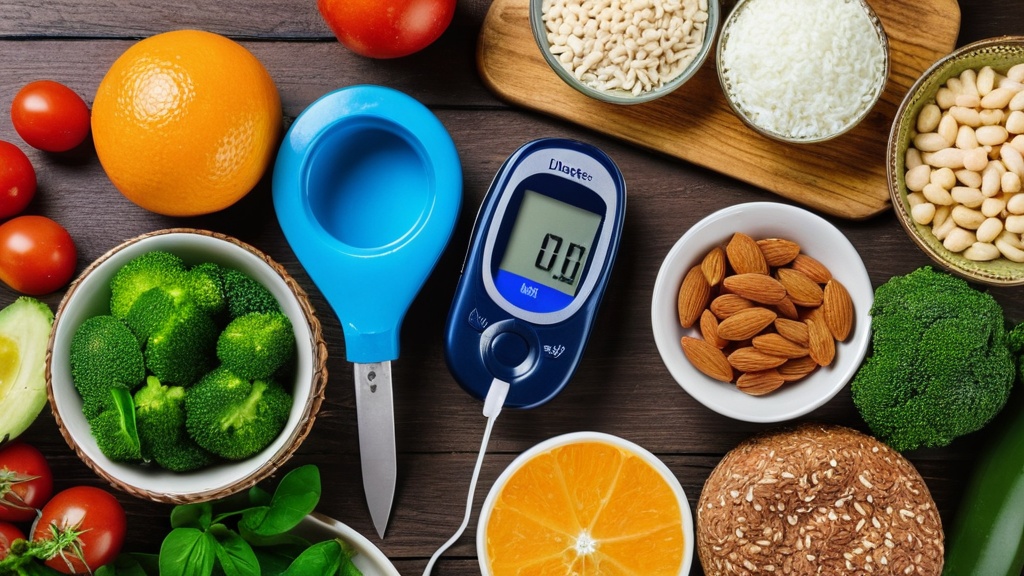
Focus on whole, unprocessed foods. Prioritize lean proteins, healthy fats, and fiber-rich vegetables. These foods have a lower impact on blood sugar.
Reduce intake of refined carbohydrates and sugary drinks. These cause rapid blood sugar spikes. Limit processed foods. Consider aiming for a balanced macronutrient intake.
Example: Instead of sugary cereal for breakfast, try oatmeal with berries and nuts. Swap white bread for whole-grain options. Choose water over soda.
Regular Physical Activity
Exercise is powerful therapy. It improves insulin sensitivity directly. Muscles become better at absorbing glucose. Aim for at least 150 minutes of moderate-intensity activity per week.
Combine aerobic exercises with strength training. Aerobic exercise strengthens your heart. Strength training builds muscle mass. More muscle helps process glucose.
Example: Take a brisk 30-minute walk most days. Add two 20-minute sessions of lifting light weights or using resistance bands. Even gardening or dancing counts.
Weight Management
Losing even a small amount of weight can make a big difference. If you are overweight, a 5-10% weight loss can significantly improve insulin sensitivity. This reduces the strain on your pancreas.
Focus on sustainable changes. Crash diets are often ineffective long-term. Seek guidance from a registered dietitian or nutritionist.
Sleep and Stress Management
Prioritize quality sleep. Aim for 7-9 hours per night. Poor sleep impairs glucose metabolism. Your body needs rest to function properly.
Manage stress effectively. Chronic stress can elevate blood sugar. Try mindfulness, meditation, or yoga. Spend time in nature.
Medication and Technology
Sometimes, lifestyle changes alone are not enough. Your doctor might prescribe medications. Metformin is commonly used to improve insulin sensitivity. It helps reduce glucose production by the liver.
New technologies are transforming diabetes management. Continuous Glucose Monitors (CGM) provide real-time glucose data. This helps you understand how food and activity affect your sugar levels. The 2026 ADA updates recommend expanded CGM use for many patients. This includes adults on insulin or therapies risking hypoglycemia, even at diabetes onset.
Automated Insulin Delivery (AID) systems are also progressing. These systems link CGM data with insulin pumps. They automatically adjust insulin delivery. AID is now recommended for type 1 and type 2 diabetes patients on insulin. These tools empower you to make informed decisions.
Remember, this information is educational. It is not a substitute for professional medical advice. Always consult your healthcare provider for diagnoses and treatment plans.
FAQs
What is insulin resistance?
Insulin resistance is a condition in which the body’s cells become less responsive to the hormone insulin, making it harder for glucose to enter the cells. This leads to higher blood sugar levels and can eventually result in type 2 diabetes.
What causes insulin resistance?
Insulin resistance can be caused by a combination of genetic factors, obesity, physical inactivity, poor diet, and certain medical conditions. Excess fat, especially around the abdomen, is strongly linked to the development of insulin resistance.
What are the symptoms of insulin resistance?
Insulin resistance often has no obvious symptoms in its early stages. However, some people may experience signs such as fatigue, hunger, difficulty concentrating, and darkened patches of skin called acanthosis nigricans.
How is insulin resistance diagnosed?
Insulin resistance is typically diagnosed through blood tests that measure fasting blood glucose, insulin levels, and sometimes an oral glucose tolerance test. Healthcare providers may also assess risk factors and physical signs.
Can insulin resistance be reversed or managed?
Yes, insulin resistance can often be improved or reversed through lifestyle changes such as regular physical activity, a healthy diet low in refined sugars and processed foods, weight loss, and sometimes medication prescribed by a healthcare professional.