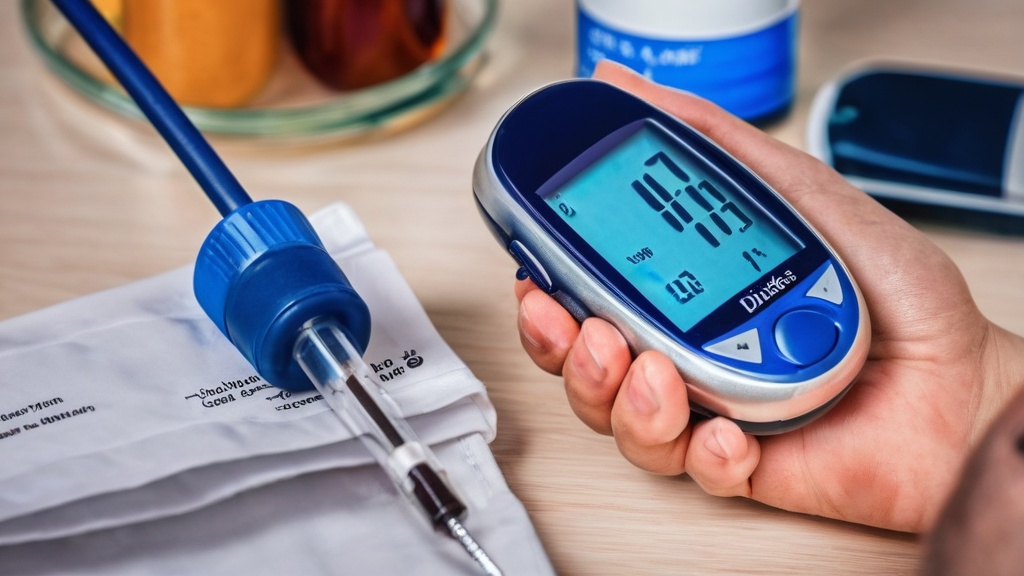
Early Diabetes Detection: The Key to Managing Your Health


Early detection of diabetes is crucial for effective management and prevention of complications. When diagnosed early, individuals can take proactive steps to control their blood sugar levels. This can significantly reduce the risk of serious health issues, such as heart disease, kidney failure, and nerve damage. According to the American Diabetes Association, early intervention can lead to better long-term outcomes.
For instance, a person who learns they are prediabetic can make lifestyle changes that may prevent the progression to type 2 diabetes. Simple actions like improving diet and increasing physical activity can have a profound impact. Early detection empowers individuals to take charge of their health and make informed decisions.
Key Takeaways
- Early detection of diabetes is crucial for preventing complications and improving outcomes.
- Genetics and lifestyle factors both significantly influence the risk of developing diabetes.
- Recognizing symptoms early and maintaining regular health screenings can aid timely diagnosis.
- Managing diabetes effectively involves a combination of diet, exercise, medication, and ongoing support.
- Advances in detection and management technologies promise better care and quality of life for diabetic patients.
Risk Factors for Developing Diabetes
Several risk factors contribute to the likelihood of developing diabetes. Age is a significant factor; individuals over 45 are at a higher risk. Additionally, being overweight or obese increases the chances of developing type 2 diabetes. The Centers for Disease Control and Prevention (CDC) notes that excess body fat, particularly around the abdomen, can lead to insulin resistance.
Family history also plays a role. If a close relative has diabetes, your risk increases. Other factors include physical inactivity, high blood pressure, and abnormal cholesterol levels. For example, someone who leads a sedentary lifestyle and has a family history of diabetes should be particularly vigilant about their health.
The Role of Genetics in Diabetes
Genetics significantly influences the risk of developing diabetes. Research shows that certain genes can predispose individuals to insulin resistance and impaired insulin secretion. For instance, if both parents have type 2 diabetes, their children are more likely to develop it as well.
However, genetics is not the sole determinant.
Environmental factors and lifestyle choices also play critical roles.
A person with a genetic predisposition can still lower their risk through healthy habits. Understanding this interplay between genetics and lifestyle can help individuals make informed choices about their health.
Symptoms of Diabetes to Watch For
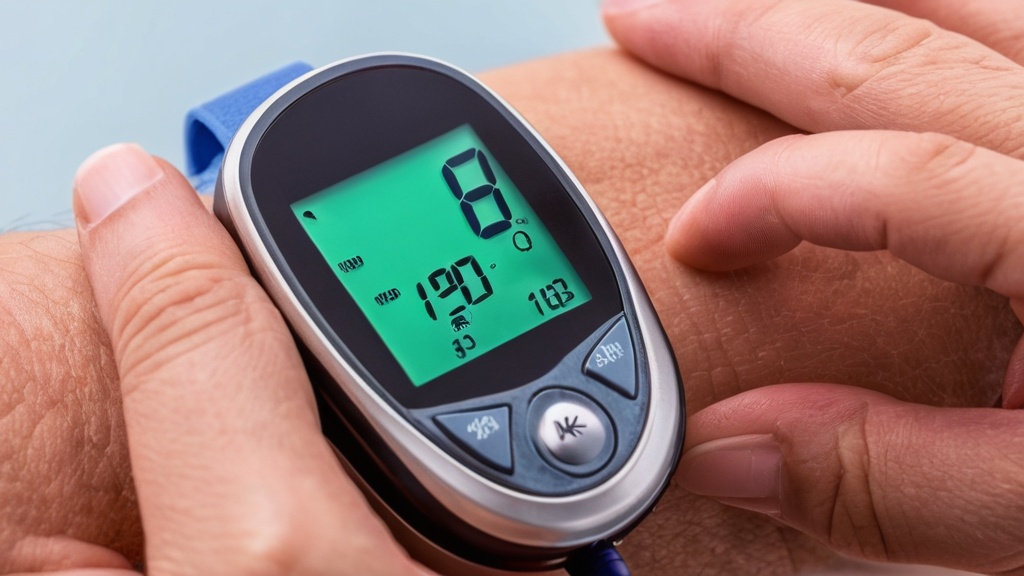
Recognizing the symptoms of diabetes is essential for early detection. Common signs include increased thirst, frequent urination, extreme fatigue, and blurred vision. For example, if someone finds themselves drinking more water than usual and visiting the bathroom frequently, it may be time to consult a healthcare provider.
Other symptoms can include slow-healing sores and unexplained weight loss. These signs often develop gradually, making them easy to overlook. Being aware of these symptoms can prompt individuals to seek medical advice sooner rather than later.
The Importance of Regular Check-Ups and Screenings
| Metric | Description | Value | Unit |
|---|---|---|---|
| Fasting Blood Sugar | Glucose level after fasting for 8 hours | 126 | mg/dL |
| HbA1c | Average blood glucose over 2-3 months | 6.5 | % |
| Oral Glucose Tolerance Test (OGTT) | Blood sugar level 2 hours after glucose intake | 200 | mg/dL |
| Random Blood Sugar | Blood sugar level at any time of the day | 200 | mg/dL |
| Body Mass Index (BMI) | Indicator of body fat based on height and weight | 30 | kg/m² |
| Age | Age of the patient | 45 | Years |
| Blood Pressure | Systolic/Diastolic pressure | 140/90 | mmHg |
| Insulin Level | Fasting insulin concentration | 15 | μU/mL |
Regular check-ups and screenings are vital for maintaining health and preventing diabetes. The CDC recommends that adults over 45 get screened for diabetes every three years. For those with risk factors, more frequent screenings may be necessary.
During these check-ups, healthcare providers can assess blood sugar levels and other health indicators. Early detection through routine screenings allows for timely intervention. For example, a simple blood test can reveal prediabetes, enabling individuals to make lifestyle changes before developing full-blown diabetes.
Lifestyle Changes to Reduce the Risk of Diabetes
Making lifestyle changes can significantly reduce the risk of developing diabetes. A balanced diet rich in whole grains, fruits, vegetables, and lean proteins is essential. Reducing sugar and refined carbohydrates can help maintain stable blood sugar levels.
Regular physical activity is equally important. Aim for at least 150 minutes of moderate exercise each week. This could include brisk walking, cycling, or swimming. For instance, incorporating a daily walk into your routine can improve insulin sensitivity and overall health.
The Link Between Diabetes and Other Health Conditions
Diabetes is often linked to other health conditions that can complicate management. Heart disease is one of the most significant risks associated with diabetes. According to the American Heart Association, adults with diabetes are two to four times more likely to develop heart disease.
Additionally, diabetes can lead to complications such as kidney disease and vision problems. For example, diabetic retinopathy can cause vision loss if not managed properly. Understanding these connections highlights the importance of comprehensive health management for those living with diabetes.
Managing Diabetes Through Diet and Exercise
Diet and exercise play crucial roles in managing diabetes effectively. A well-planned diet helps regulate blood sugar levels and maintain a healthy weight. Focus on consuming high-fiber foods and healthy fats while limiting processed foods.
Exercise also helps improve insulin sensitivity and lowers blood sugar levels. Engaging in regular physical activity can be as simple as taking the stairs instead of the elevator or participating in group fitness classes. For instance, joining a local walking group can provide both social interaction and physical activity.
The Role of Medication in Diabetes Management
For some individuals, lifestyle changes alone may not be enough to manage diabetes effectively. In such cases, medication may be necessary. Various medications are available to help control blood sugar levels, including metformin and insulin therapy.
It’s essential to work closely with healthcare providers to determine the best treatment plan. Regular monitoring of blood sugar levels will help assess the effectiveness of medications. For example, someone on insulin therapy may need to adjust their dosage based on their daily activities and meals.
Support and Resources for Those Living with Diabetes
Living with diabetes can be challenging, but support is available. Many organizations offer resources for education and community support. The American Diabetes Association provides valuable information on managing diabetes through their website and local events.
Support groups can also be beneficial for sharing experiences and coping strategies. Connecting with others facing similar challenges fosters a sense of community and understanding. For instance, attending a local diabetes support group can provide encouragement and practical tips for daily management.
The Future of Early Diabetes Detection and Management
The future of early diabetes detection looks promising with advancements in technology and research. Continuous glucose monitoring devices are becoming more accessible, allowing individuals to track their blood sugar levels in real-time. This technology enables timely adjustments in diet and activity.
Moreover, ongoing research into genetic markers may lead to more personalized approaches in diabetes prevention and management. As we learn more about the disease, healthcare providers will be better equipped to offer tailored recommendations for individuals at risk.
In conclusion, understanding diabetes is essential for prevention and management. By recognizing risk factors, symptoms, and the importance of early detection, individuals can take proactive steps toward better health. Embracing lifestyle changes, seeking regular check-ups, and utilizing available resources will empower those at risk or living with diabetes to lead healthier lives.
FAQs
What are the common methods used for diabetes detection?
Common methods for diabetes detection include fasting blood glucose tests, oral glucose tolerance tests (OGTT), and the HbA1c test, which measures average blood sugar levels over the past two to three months.
At what age should individuals start getting tested for diabetes?
Testing for diabetes is generally recommended starting at age 45 for most adults. However, earlier testing may be advised for individuals with risk factors such as obesity, family history of diabetes, or symptoms suggestive of high blood sugar.
What symptoms might indicate the need for diabetes testing?
Symptoms that may prompt diabetes testing include increased thirst, frequent urination, unexplained weight loss, fatigue, blurred vision, and slow-healing wounds.
Can diabetes be detected before symptoms appear?
Yes, diabetes can often be detected before symptoms appear through routine screening tests, especially in individuals with risk factors. Early detection helps in managing the condition and preventing complications.
How often should people with prediabetes be tested for diabetes?
People diagnosed with prediabetes should have their blood sugar levels tested at least annually to monitor progression and implement lifestyle changes or treatments to prevent the onset of type 2 diabetes.