Understanding Blood Sugar and Blood Glucose Levels

Blood sugar, or blood glucose, refers to the amount of glucose present in the bloodstream. Glucose is a simple sugar that serves as a primary energy source for the body’s cells. When you eat, your body breaks down carbohydrates into glucose, which then enters the bloodstream. This process is crucial for providing energy to various organs, including the brain, muscles, and other tissues.
Blood glucose levels fluctuate throughout the day based on food intake, physical activity, and hormonal changes. For instance, after a meal, blood sugar levels typically rise as glucose enters the bloodstream. Conversely, levels drop during fasting or prolonged periods without food. Maintaining these levels within a healthy range is essential for overall well-being.
Key Takeaways
- Blood sugar, or blood glucose, is the main sugar found in the blood and is vital for energy.
- Maintaining stable blood sugar levels is crucial to prevent health issues like diabetes.
- The body regulates blood sugar through hormones like insulin and glucagon.
- Diet, exercise, medications, and lifestyle choices significantly impact blood sugar control.
- Regular monitoring and tracking of blood glucose help manage and prevent complications.
The Importance of Maintaining Stable Blood Sugar Levels
Stable blood sugar levels are vital for optimal health. When blood sugar levels remain balanced, the body functions efficiently. Energy levels stay consistent, mood swings decrease, and cognitive functions improve. On the other hand, unstable blood sugar can lead to fatigue, irritability, and difficulty concentrating.
Moreover, long-term fluctuations in blood sugar can lead to serious health issues. Chronic high blood sugar can damage blood vessels and nerves, increasing the risk of heart disease and stroke. Conversely, low blood sugar can cause symptoms like dizziness and confusion. Therefore, maintaining stable blood sugar levels is crucial for both short-term and long-term health.
How the Body Regulates Blood Sugar Levels
The body has a sophisticated system for regulating blood sugar levels. The pancreas plays a central role in this process by producing insulin and glucagon. Insulin helps lower blood sugar by facilitating glucose uptake into cells. When blood sugar levels rise after eating, insulin is released to help manage this increase.
Conversely, when blood sugar levels drop, glucagon is released to stimulate the liver to release stored glucose back into the bloodstream. This balance between insulin and glucagon ensures that blood sugar levels remain within a healthy range. For example, if you skip a meal, glucagon helps maintain energy levels by releasing glucose from storage.
Common Factors that Affect Blood Sugar Levels
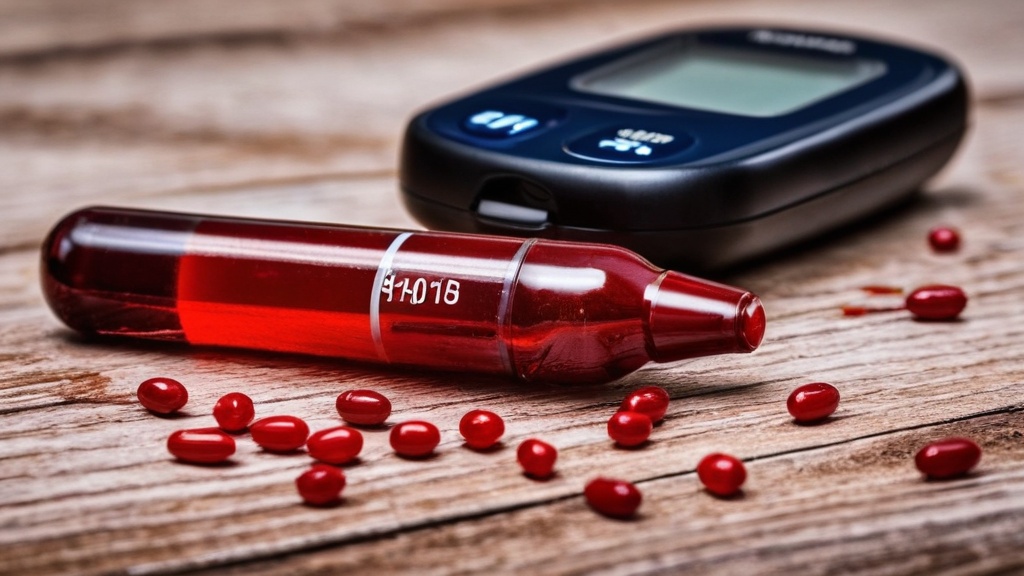
Several factors can influence blood sugar levels throughout the day. Diet is one of the most significant contributors. Foods high in carbohydrates can cause rapid spikes in blood sugar, while fiber-rich foods tend to have a more gradual effect. For instance, eating a piece of white bread may lead to a quick increase in blood sugar compared to whole grain bread.
Physical activity also plays a crucial role in blood sugar regulation. Exercise helps muscles use glucose more effectively, lowering blood sugar levels. Stress can have the opposite effect; it triggers the release of hormones like cortisol that can raise blood sugar levels. Understanding these factors can help individuals make informed choices about their lifestyle.
Understanding the Connection Between Blood Sugar and Diabetes
| Metric | Blood Sugar | Blood Glucose | Notes |
|---|---|---|---|
| Definition | Concentration of sugar (mainly glucose) in the blood | Specifically the concentration of glucose in the blood | Blood sugar is a general term; blood glucose is more specific |
| Normal Fasting Range | 70-100 mg/dL | 70-100 mg/dL | Both terms refer to the same measurement in fasting state |
| Postprandial (After Meal) Range | Less than 140 mg/dL | Less than 140 mg/dL | Blood glucose rises after eating, reflected in blood sugar levels |
| Measurement Units | mg/dL or mmol/L | mg/dL or mmol/L | 1 mmol/L = 18 mg/dL |
| Common Testing Methods | Fingerstick glucose meter, lab blood test | Fingerstick glucose meter, lab blood test | Same methods used for both terms |
| Clinical Importance | Indicator of diabetes, hypoglycemia, hyperglycemia | Indicator of diabetes, hypoglycemia, hyperglycemia | Used interchangeably in clinical settings |
| Other Sugars Included? | Generally refers to glucose but can include other sugars | Only glucose | Blood glucose is more precise |
Diabetes is a condition characterized by chronic high blood sugar levels due to issues with insulin production or function. There are two main types of diabetes: Type 1 and Type 2. In Type 1 diabetes, the body does not produce insulin at all. In Type 2 diabetes, the body becomes resistant to insulin or does not produce enough.
Both types of diabetes can lead to serious health complications if not managed properly. For example, prolonged high blood sugar can damage organs and lead to conditions like neuropathy or retinopathy. Understanding this connection emphasizes the importance of monitoring and managing blood sugar levels effectively.
Symptoms of High and Low Blood Sugar Levels
Recognizing the symptoms of high and low blood sugar is essential for timely intervention. High blood sugar, or hyperglycemia, may present with symptoms such as increased thirst, frequent urination, and fatigue. For instance, if you find yourself drinking more water than usual and still feeling thirsty, it could be a sign of elevated blood sugar.
On the other hand, low blood sugar, or hypoglycemia, can cause symptoms like shakiness, sweating, confusion, and irritability. Imagine feeling dizzy or lightheaded after skipping lunch; this could indicate low blood sugar levels. Being aware of these symptoms allows individuals to take appropriate action before complications arise.
How to Measure Blood Glucose Levels
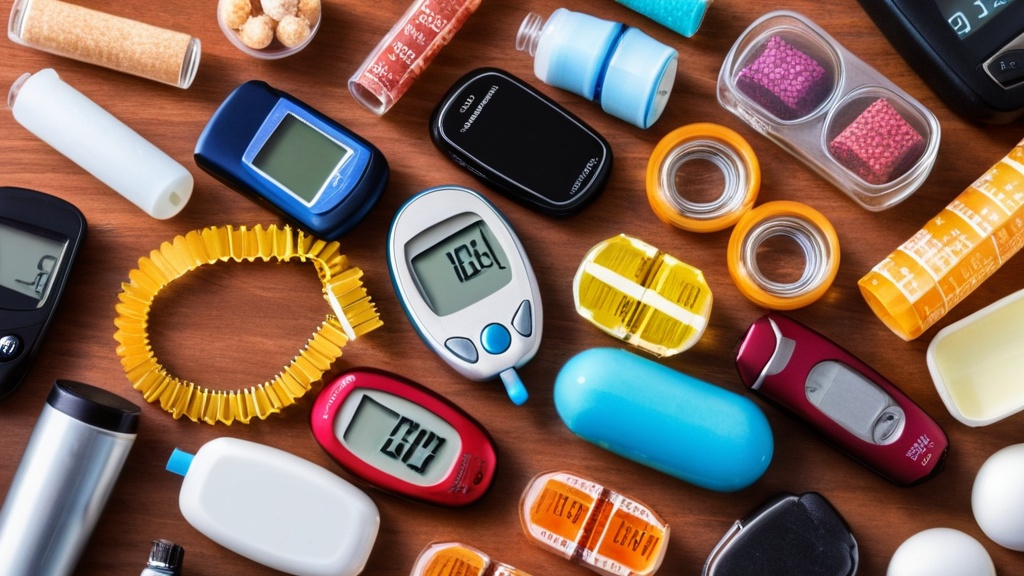
Measuring blood glucose levels is straightforward and can be done at home using a glucometer.
This device requires a small drop of blood obtained by pricking a fingertip with a lancet.
After applying the blood sample to a test strip inserted into the glucometer, it provides a reading within seconds.
Regular monitoring helps individuals understand their blood sugar patterns and make necessary adjustments to their diet or lifestyle. For example, if you notice that your levels spike after certain meals, you might consider modifying your food choices or portion sizes.
Tips for Managing and Controlling Blood Sugar Levels
Managing blood sugar levels involves a combination of lifestyle choices and monitoring practices. One effective strategy is to eat balanced meals that include protein, healthy fats, and fiber-rich carbohydrates. This combination helps slow down glucose absorption and prevents spikes in blood sugar.
Staying hydrated is also important; drinking water can help maintain optimal blood volume and support kidney function in filtering excess glucose. Additionally, regular physical activity can enhance insulin sensitivity and improve overall metabolic health. Aim for at least 150 minutes of moderate exercise each week.
The Role of Diet and Exercise in Blood Sugar Regulation
Diet plays a crucial role in regulating blood sugar levels. Foods with a low glycemic index (GI) release glucose slowly into the bloodstream, helping maintain stable levels.
Examples include whole grains, legumes, fruits, and non-starchy vegetables.
Exercise complements dietary efforts by improving insulin sensitivity and promoting glucose uptake by muscles. Activities like walking, cycling, or swimming can significantly impact how your body processes glucose. For instance, taking a brisk walk after meals can help lower post-meal blood sugar levels.
Medications and Treatments for Blood Sugar Management
For some individuals, lifestyle changes alone may not be enough to manage blood sugar levels effectively. In such cases, healthcare providers may prescribe medications or insulin therapy. These treatments aim to improve insulin sensitivity or increase insulin production.
Common medications include metformin for Type 2 diabetes and insulin injections for Type 1 diabetes. It’s essential to work closely with healthcare professionals to determine the best treatment plan tailored to individual needs.
Monitoring and Tracking Blood Glucose Levels for Better Health
Regular monitoring of blood glucose levels is key to effective management of diabetes or prediabetes. Keeping a log of your readings can help identify patterns related to diet, exercise, and medication effectiveness. Many people find it helpful to use apps or journals for tracking their progress.
Additionally, sharing this information with healthcare providers can lead to more personalized care plans. For example, if you notice consistent spikes after certain meals, discussing this with your doctor can help refine your dietary choices or medication adjustments.
In conclusion, understanding blood sugar and its regulation is essential for maintaining good health. By being aware of how various factors affect blood glucose levels and implementing effective management strategies, individuals can lead healthier lives while minimizing risks associated with diabetes and other related conditions.
FAQs
What is the difference between blood sugar and blood glucose?
Blood sugar and blood glucose refer to the same substance in the bloodstream. “Blood sugar” is a common term, while “blood glucose” is the more scientific term for the sugar that circulates in the blood and provides energy to the body’s cells.
Why is monitoring blood glucose important?
Monitoring blood glucose is crucial for managing diabetes and preventing complications. It helps individuals maintain their blood sugar levels within a healthy range, reducing the risk of issues like hypoglycemia, hyperglycemia, and long-term damage to organs.
How is blood glucose measured?
Blood glucose is typically measured using a blood glucose meter, which requires a small drop of blood from a finger prick. Laboratory tests, such as fasting blood glucose or HbA1c, can also provide information about blood sugar levels over time.
What factors can affect blood glucose levels?
Several factors influence blood glucose levels, including diet, physical activity, stress, illness, medications, and hormonal changes. Consuming carbohydrates raises blood glucose, while exercise generally lowers it.
What are normal blood glucose levels?
Normal fasting blood glucose levels typically range from 70 to 99 mg/dL (3.9 to 5.5 mmol/L). Levels between 100 and 125 mg/dL (5.6 to 6.9 mmol/L) may indicate prediabetes, and levels of 126 mg/dL (7.0 mmol/L) or higher on two separate tests suggest diabetes.