The Importance of A1C Testing for Diabetes Management


A1C testing measures the average blood sugar levels over the past two to three months. It provides a snapshot of how well diabetes is being managed.
The test looks at the percentage of hemoglobin, a protein in red blood cells, that is coated with sugar.
Higher A1C levels indicate poorer blood sugar control.
For example, an A1C level of 6.5% or higher typically indicates diabetes. In contrast, an A1C below 5.7% is considered normal. This test is crucial for both diagnosing diabetes and monitoring its progression.
Key Takeaways
- A1C testing provides a crucial measure of average blood sugar levels over time, essential for diabetes management.
- Regular A1C monitoring helps track treatment effectiveness and guides necessary adjustments.
- A1C results assist in assessing the risk of diabetes-related complications and long-term health outcomes.
- Setting personalized A1C goals supports better patient engagement and education in managing diabetes.
- Consistent A1C testing plays a key role in preventing complications and improving overall well-being for people with diabetes.
Importance of A1C Testing in Diabetes Management
A1C testing plays a vital role in diabetes management. It helps healthcare providers assess how well a patient’s treatment plan is working. Regular testing allows for timely adjustments to medications or lifestyle changes.
For instance, if a patient’s A1C level rises, it may signal the need for more intensive management strategies. This could include dietary changes, increased physical activity, or medication adjustments. By keeping track of A1C levels, patients can work with their healthcare team to maintain optimal blood sugar control.
How A1C Testing Helps in Monitoring Blood Sugar Levels
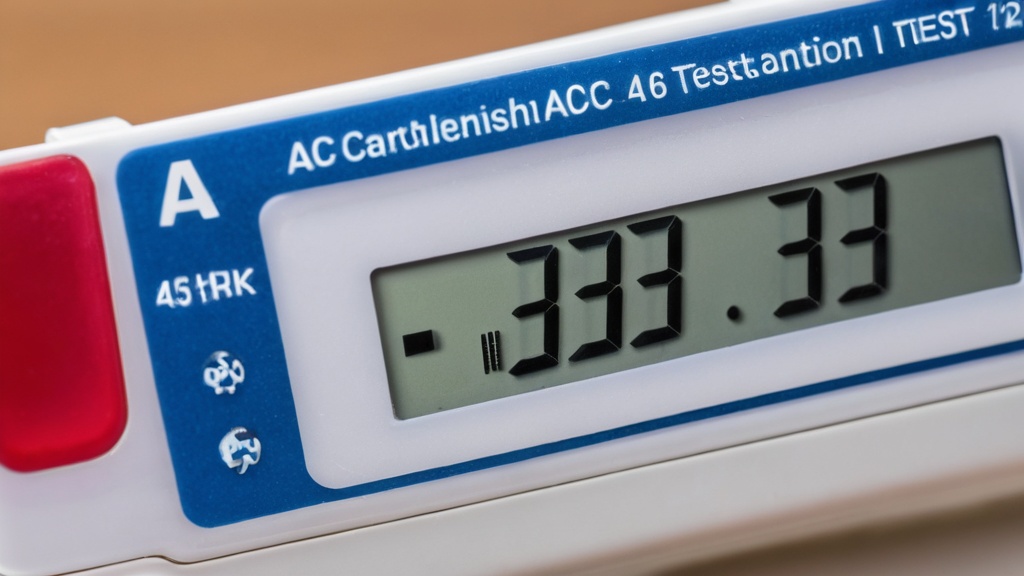
A1C testing provides a broader view of blood sugar levels than daily fingerstick tests. While daily tests show immediate blood sugar levels, A1C reflects long-term trends. This helps identify patterns that might not be visible through daily monitoring alone.
For example, a person may experience spikes in blood sugar after meals that go unnoticed with daily checks. An elevated A1C can reveal these trends, prompting discussions about meal planning and timing. This comprehensive approach allows for more effective management of diabetes.
A1C Testing and Long-term Diabetes Management

Long-term diabetes management relies heavily on A1C testing. Consistently high A1C levels can lead to serious complications, such as heart disease and kidney damage. Regular testing helps patients and providers identify risks early.
For instance, if a patient’s A1C remains above target levels, it may indicate the need for a more aggressive treatment plan. This proactive approach can prevent complications and improve overall health outcomes. By focusing on long-term trends, patients can make informed decisions about their care.
The Role of A1C Testing in Treatment Adjustment
| Metric | Description | Normal Range | Diabetes Diagnosis Threshold | Unit |
|---|---|---|---|---|
| A1C Level | Percentage of glycated hemoglobin in the blood | 4.0% – 5.6% | 6.5% or higher | % |
| Estimated Average Glucose (eAG) | Average blood glucose level estimated from A1C | 68 – 114 | 140 or higher | mg/dL |
| Test Frequency | Recommended frequency for A1C testing | Every 3 to 6 months | Every 3 months if diabetic | Time interval |
| Purpose | Use of the A1C test | Monitor long-term glucose control | Diagnose and monitor diabetes | N/A |
A1C testing is essential for adjusting diabetes treatment plans. When A1C levels are not within the target range, healthcare providers can modify medications or suggest lifestyle changes. This ensures that patients receive personalized care tailored to their needs.
For example, if a patient’s A1C is consistently high despite medication adherence, a provider might consider adding insulin therapy or changing oral medications. This collaborative approach empowers patients to take an active role in their health management.
A1C Testing and Risk Assessment for Diabetes Complications
A1C testing serves as a critical tool for assessing the risk of diabetes-related complications.
Higher A1C levels correlate with an increased risk of issues like neuropathy, retinopathy, and cardiovascular disease.
Regular monitoring helps identify patients at risk.
For instance, a patient with an A1C of 8% may be at higher risk for developing complications than someone with an A1C of 6%. Understanding these risks allows healthcare providers to implement preventive measures early on. This proactive strategy can significantly improve long-term health outcomes.
A1C Testing as a Tool for Goal Setting in Diabetes Management
Setting realistic goals is crucial in diabetes management, and A1C testing aids this process. Patients can work with their healthcare team to establish target A1C levels based on individual circumstances. These goals provide motivation and direction for managing diabetes.
For example, a patient may aim to lower their A1C from 7% to 6.5% over six months. Achieving this goal can lead to better health outcomes and reduced risk of complications. Regular A1C testing allows patients to track their progress and adjust their strategies as needed.
A1C Testing and Patient Education in Diabetes Management
Education plays a vital role in effective diabetes management, and A1C testing is a key component of this process. Healthcare providers can use test results to explain the importance of blood sugar control to patients. Understanding how A1C levels relate to overall health empowers patients to take charge of their condition.
For instance, discussing the implications of an elevated A1C can motivate patients to adopt healthier habits. This might include improving diet, increasing physical activity, or adhering to medication regimens. Education fosters a collaborative relationship between patients and providers, enhancing overall care.
A1C Testing and the Importance of Regular Monitoring
Regular monitoring of A1C levels is essential for effective diabetes management. The American Diabetes Association recommends testing at least twice a year for stable patients and quarterly for those whose treatment has changed or who are not meeting goals. Consistent monitoring helps ensure that blood sugar levels remain within target ranges.
For example, a patient who tests their A1C every three months can quickly identify trends and make necessary adjustments. This proactive approach minimizes the risk of complications and promotes better health outcomes over time.
A1C Testing and its Impact on Overall Health and Well-being
A1C testing significantly impacts overall health and well-being for individuals with diabetes. Maintaining target A1C levels reduces the risk of complications and enhances quality of life. Patients who manage their blood sugar effectively often experience fewer health issues and improved energy levels.
For instance, someone with well-controlled diabetes may find it easier to engage in physical activities or enjoy social events without fear of blood sugar fluctuations. This positive impact on daily life underscores the importance of regular A1C testing in achieving long-term health goals.
A1C Testing and its Role in Preventing Diabetes-related Complications
Preventing diabetes-related complications is one of the primary goals of effective diabetes management, and A1C testing plays a crucial role in this effort. By identifying high blood sugar levels early, healthcare providers can implement strategies to mitigate risks.
For example, if a patient’s A1C indicates poor control, the provider may recommend lifestyle changes or medication adjustments to lower it. These proactive measures can significantly reduce the likelihood of complications such as heart disease or kidney failure. Regular A1C testing empowers patients to take charge of their health and prevent long-term issues associated with diabetes.
In conclusion, understanding and utilizing A1C testing is essential for effective diabetes management. It provides valuable insights into blood sugar control, informs treatment adjustments, and helps set achievable health goals. Regular monitoring not only enhances individual well-being but also plays a critical role in preventing complications associated with diabetes. By prioritizing A1C testing, patients can work collaboratively with their healthcare teams to achieve better health outcomes and improve their quality of life.
FAQs
What is an A1C test?
The A1C test is a blood test that measures your average blood sugar (glucose) levels over the past two to three months. It is commonly used to diagnose and monitor diabetes.
How is the A1C test performed?
The test is done by taking a small blood sample, usually from a vein in your arm or a finger prick. The sample is then analyzed in a lab to determine the percentage of glycated hemoglobin (hemoglobin with glucose attached).
What do A1C test results mean?
A normal A1C level is below 5.7%. Levels between 5.7% and 6.4% indicate prediabetes, and 6.5% or higher on two separate tests typically indicates diabetes. The higher the A1C, the poorer the blood sugar control.
How often should I get an A1C test?
For people with diabetes, the A1C test is usually recommended every 3 to 6 months to monitor blood sugar control. For those without diabetes but at risk, testing frequency depends on individual risk factors and doctor recommendations.
Can anything affect the accuracy of the A1C test?
Yes, certain conditions like anemia, kidney disease, liver disease, or recent blood loss can affect A1C results. Additionally, some hemoglobin variants may interfere with the test, so it’s important to inform your healthcare provider about any health issues.