Managing Diabetes with a Plant-Based Diet


Diabetes is a chronic metabolic disorder characterized by elevated blood glucose levels resulting from defects in insulin production, insulin action, or both. The two primary classifications are Type 1 and Type 2 diabetes. Type 1 diabetes is an autoimmune condition where the pancreas produces little or no insulin due to destruction of beta cells.
Type 2 diabetes, which accounts for approximately 90-95% of all cases, develops when cells become resistant to insulin’s effects and the pancreas cannot produce sufficient insulin to overcome this resistance. Nutritional therapy is fundamental to diabetes management. Dietary choices directly influence glycemic control, with carbohydrates having the most significant impact on blood glucose levels.
A well-structured eating plan emphasizing appropriate macronutrient distribution helps maintain optimal glucose homeostasis and reduces the risk of both acute and long-term complications. Evidence-based nutritional approaches, including carbohydrate counting, glycemic index awareness, and consistent meal timing, enable individuals to effectively regulate their blood glucose levels throughout the day.
Key Takeaways
- A plant-based diet can effectively support diabetes management by improving blood sugar control and overall health.
- Key nutrients such as fiber, antioxidants, and plant proteins play a crucial role in stabilizing blood glucose levels.
- Meal planning, portion control, and incorporating whole grains, legumes, fruits, and vegetables are essential for balanced nutrition.
- Limiting processed foods and added sugars helps prevent blood sugar spikes and supports long-term diabetes control.
- Regular monitoring, adjustments, and seeking professional support enhance the success of managing diabetes with a plant-based diet.
Benefits of a Plant-Based Diet for Diabetes Management
A plant-based diet focuses on whole foods derived from plants, including fruits, vegetables, whole grains, nuts, and seeds. Research shows that this type of diet can be beneficial for managing diabetes. A study published in the journal “Nutrients” found that plant-based diets can improve glycemic control and reduce the risk of complications.
Plant-based diets are typically lower in calories and saturated fats, making them heart-healthy options. They also provide essential nutrients and fiber, which can help regulate blood sugar levels. For example, a person with diabetes might find that swapping out meat for lentils or beans helps them feel fuller while keeping their blood sugar stable.
Key Nutrients in a Plant-Based Diet for Diabetes

Certain nutrients are particularly important for individuals managing diabetes. Fiber is one of the most crucial components of a plant-based diet. It slows down digestion and helps regulate blood sugar levels.
Another important nutrient is magnesium, which plays a role in insulin sensitivity. Foods rich in magnesium include leafy greens, nuts, seeds, and whole grains.
Additionally, antioxidants found in fruits and vegetables can help reduce inflammation and oxidative stress, which are linked to diabetes complications.
Meal Planning and Portion Control for Diabetes Management
Effective meal planning is essential for managing diabetes. It allows you to control your carbohydrate intake and maintain stable blood sugar levels. Start by creating a weekly meal plan that includes a variety of foods from all food groups.
Portion control is equally important. Using smaller plates can help you manage portion sizes without feeling deprived. Aim to fill half your plate with non-starchy vegetables, one-quarter with whole grains, and one-quarter with plant-based proteins.
This balanced approach can help you maintain energy levels while keeping blood sugar in check.
Incorporating Whole Grains and Legumes in a Plant-Based Diet
| Metric | Value | Source/Study | Notes |
|---|---|---|---|
| Reduction in HbA1c | 0.5% – 1.0% | American Diabetes Association | Plant-based diets shown to improve glycemic control |
| Weight Loss | 4.4 kg (average) | Journal of Geriatric Cardiology, 2019 | Observed in type 2 diabetes patients following plant-based diet |
| Insulin Sensitivity Improvement | Up to 30% | Diabetes Care, 2018 | Measured by HOMA-IR index reduction |
| Risk Reduction for Type 2 Diabetes | 23% – 34% | Harvard T.H. Chan School of Public Health | Compared to diets high in animal products |
| Fiber Intake Increase | 15-20 grams/day more | Nutrition Reviews, 2020 | Plant-based diets are higher in dietary fiber |
| Cholesterol Reduction | 10-15% | American Journal of Clinical Nutrition, 2017 | Improved lipid profiles in diabetic patients |
Whole grains and legumes are staples in a plant-based diet. They provide essential nutrients and fiber that support blood sugar management. Whole grains like quinoa, brown rice, and oats have a lower glycemic index compared to refined grains, meaning they cause a slower rise in blood sugar.
Legumes such as beans, lentils, and chickpeas are excellent sources of protein and fiber. They can be used in various dishes, from soups to salads. For instance, a hearty lentil soup can be both filling and nutritious, making it an ideal meal for someone managing diabetes.
Choosing the Right Fruits and Vegetables for Diabetes Management
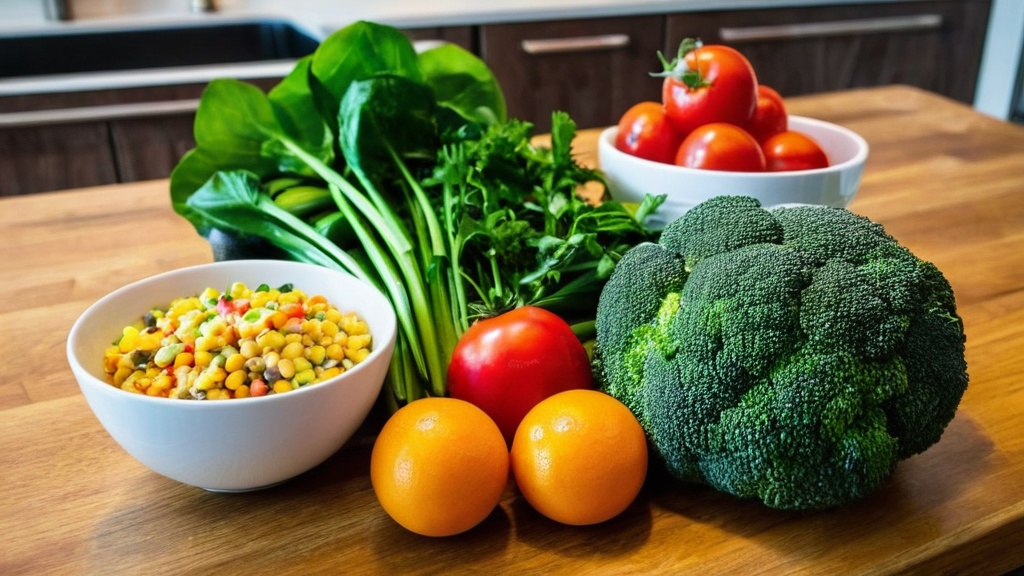
Fruits and vegetables are vital components of a healthy diet but choosing the right ones is essential for diabetes management. Non-starchy vegetables like spinach, broccoli, and peppers are low in carbohydrates and high in nutrients. They can be consumed freely without significantly impacting blood sugar levels.
When it comes to fruits, opt for those with a lower glycemic index, such as berries, cherries, and apples. These fruits provide vitamins and antioxidants while having less impact on blood sugar compared to high-sugar fruits like bananas or grapes. Pairing fruits with a source of protein or healthy fat can also help stabilize blood sugar levels.
Managing Blood Sugar Levels with Plant-Based Protein Sources
Plant-based protein sources are crucial for maintaining muscle mass and overall health while managing diabetes. Options include beans, lentils, tofu, tempeh, nuts, and seeds. These foods not only provide protein but also contain fiber and healthy fats.
For example, a stir-fry made with tofu and a variety of colorful vegetables can be both satisfying and nutritious. Incorporating different protein sources throughout the week can help ensure you get a range of nutrients while keeping meals interesting.
Limiting Processed Foods and Added Sugars in a Plant-Based Diet
Processed foods often contain added sugars and unhealthy fats that can spike blood sugar levels. It’s essential to limit these foods in your diet. Instead of reaching for packaged snacks or sugary drinks, opt for whole food alternatives like fresh fruit or homemade energy bars made from oats and nuts.
Reading food labels can help you identify hidden sugars in products. Look for terms like “high fructose corn syrup” or “sucrose” on ingredient lists. By focusing on whole foods, you can better manage your blood sugar levels while enjoying delicious meals.
Tips for Dining Out and Traveling with Diabetes on a Plant-Based Diet
Dining out or traveling can pose challenges for those managing diabetes on a plant-based diet. However, with some planning, you can make healthy choices. Before heading out to eat, check the restaurant’s menu online to identify plant-based options.
When ordering, don’t hesitate to ask for modifications to suit your dietary needs. For example, request dressings on the side or substitute fries with a side salad. When traveling, pack healthy snacks like nuts or fruit to avoid unhealthy options at airports or roadside stops.
Monitoring and Adjusting Your Plant-Based Diet for Diabetes Management
Monitoring your blood sugar levels is crucial when managing diabetes on a plant-based diet. Keep track of how different foods affect your glucose levels using a food diary or an app. This information can help you identify patterns and make necessary adjustments.
If you notice certain foods cause spikes in your blood sugar, consider reducing their intake or finding alternatives. Consulting with a registered dietitian can also provide personalized guidance tailored to your specific needs.
Seeking Support and Resources for Managing Diabetes with a Plant-Based Diet
Managing diabetes can feel overwhelming at times, but support is available. Consider joining local or online support groups where you can share experiences and tips with others facing similar challenges. Many organizations offer resources specifically for those following a plant-based diet.
Books, websites, and cooking classes focused on plant-based eating can also provide valuable information and inspiration. Remember that you don’t have to navigate this journey alone; seeking support can make it easier to manage your diabetes effectively while enjoying delicious plant-based meals.
FAQs
What is a plant-based diet?
A plant-based diet primarily consists of foods derived from plants, including vegetables, fruits, grains, nuts, seeds, and legumes. It may exclude or minimize animal products such as meat, dairy, and eggs.
How can a plant-based diet help manage diabetes?
A plant-based diet can help manage diabetes by improving blood sugar control, reducing insulin resistance, and promoting weight loss. High fiber content and low saturated fat in plant foods contribute to better glucose metabolism.
Is a plant-based diet suitable for all types of diabetes?
A plant-based diet can be beneficial for both type 1 and type 2 diabetes, but it is especially effective in managing type 2 diabetes. Individuals with diabetes should consult healthcare providers before making significant dietary changes.
Can a plant-based diet prevent diabetes?
Research suggests that a plant-based diet rich in whole grains, fruits, vegetables, and legumes may reduce the risk of developing type 2 diabetes by improving insulin sensitivity and promoting a healthy weight.
What nutrients should people with diabetes watch for on a plant-based diet?
People with diabetes should ensure adequate intake of protein, vitamin B12, iron, calcium, and omega-3 fatty acids, which may require careful planning or supplementation when following a plant-based diet.
Are there any risks associated with a plant-based diet for diabetes?
If not well-planned, a plant-based diet may lead to nutrient deficiencies or inadequate calorie intake. Monitoring blood sugar levels is important, as carbohydrate intake from plant foods can affect glucose control.
How quickly can a plant-based diet impact diabetes management?
Improvements in blood sugar control and insulin sensitivity can be seen within weeks to months after adopting a plant-based diet, but individual responses vary.
Should people with diabetes combine a plant-based diet with medication?
Yes, many people with diabetes will need to continue their prescribed medications while adopting a plant-based diet. Any changes in medication should be done under medical supervision.
Can a plant-based diet help with diabetes-related complications?
A plant-based diet may help reduce the risk of complications such as cardiovascular disease by lowering cholesterol, blood pressure, and inflammation.
Where can I find resources or support for adopting a plant-based diet for diabetes?
Resources include registered dietitians, diabetes educators, reputable health websites, and support groups focused on plant-based nutrition and diabetes management.